

LONGUEUIL A woman from Quebec, Stéphanie Borel, is set to appear in court today for a sentencing hearing related to a serious incident involving a 10-year-old boy, whom she scalded with boiling water. The incident occurred on October 2, 2024, when Borel, frustrated by repeated pranks from local schoolchildren, reacted violently after a series of doorbell rings.
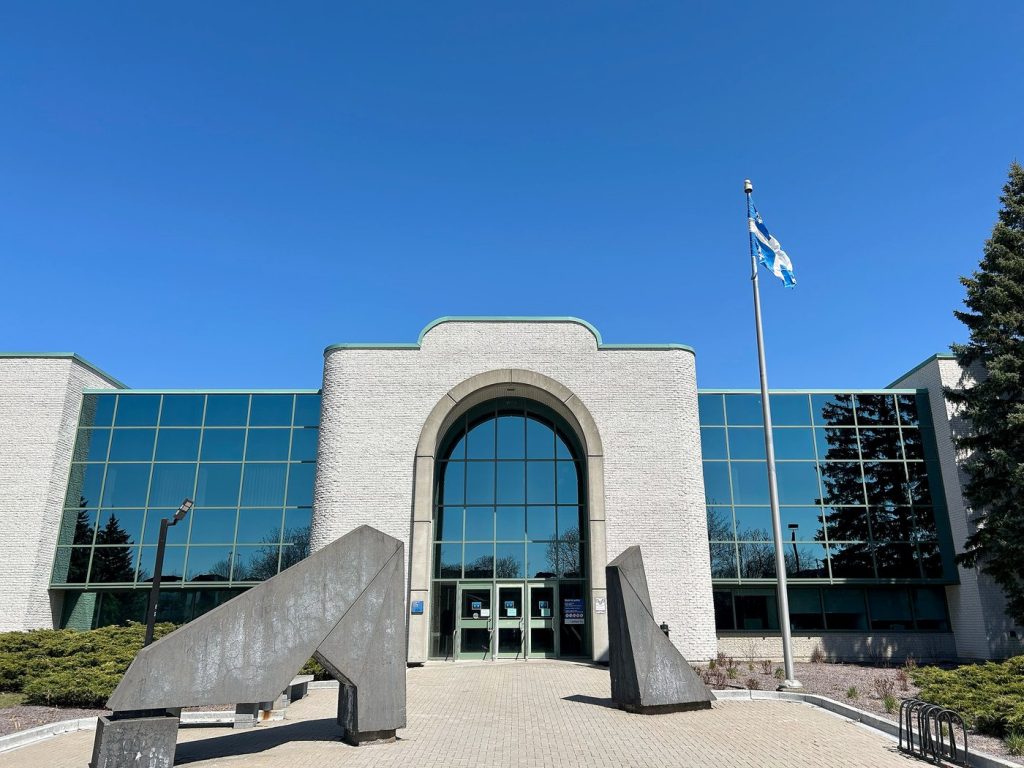
Borel pleaded guilty to aggravated assault in September 2024, taking responsibility for her actions that resulted from her frustration with children engaging in a prank commonly known as "ding dong ditch." This prank involves ringing someone's doorbell and then running away before the occupant can respond. The Crown prosecutor is expected to argue for a jail sentence during the upcoming sentencing arguments at the courthouse in Longueuil, which is located on Montreal's South Shore.
The child, who remains unnamed due to a publication ban, suffered severe burns affecting about four percent of his body, including injuries to his face, chest, and shoulder blade. Borel's actions on that day were described in a joint statement of facts by both the Crown and the defense. This statement indicated that she opened her door before the boy had the chance to ring the doorbell and then threw a container of boiling water at him, resulting in the reported injuries.
The court proceedings are expected to highlight the severity of Borel's actions, underlining the importance of accountability in cases of violence, particularly those against minors. The case has attracted significant public attention, raising questions about appropriate responses to pranks and the potential consequences of losing control in moments of frustration.
Borel's sentencing hearing is currently the focus of legal discussions, with the outcome likely influencing how similar cases are handled in the future and the broader implications for community safety. The legal community will be observing how the court balances punishment with the context of the incident, as well as the ongoing discussions surrounding children's behavior and adult reactions in high-stress situations.








