

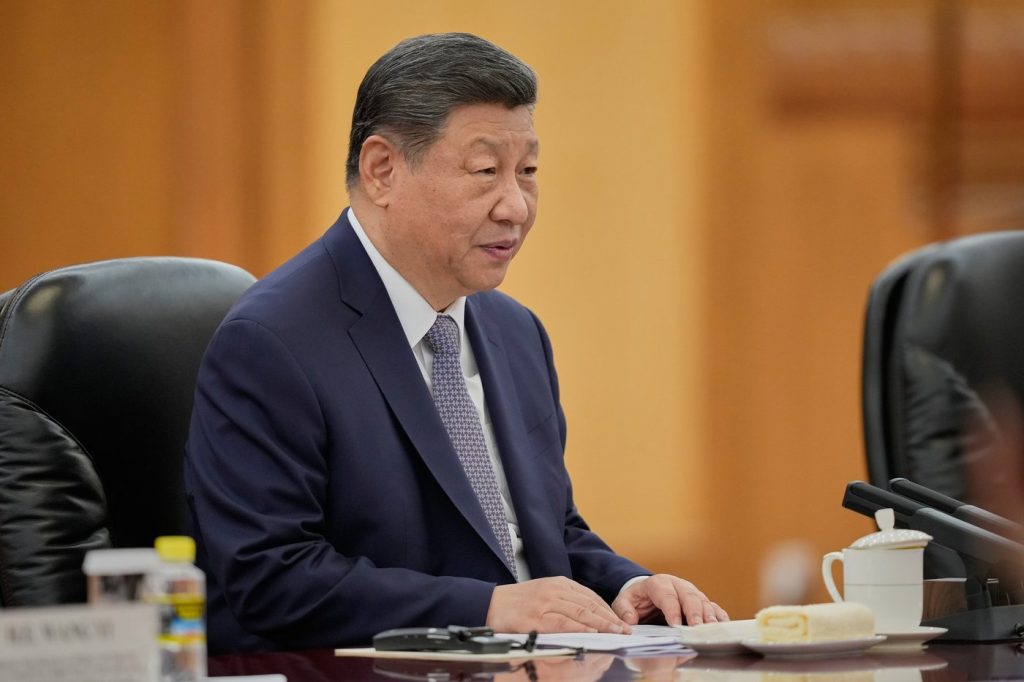
BEIJING (AP) – During a significant diplomatic visit, British Prime Minister Keir Starmer emphasized the necessity for a strengthened relationship with China amidst ongoing global challenges. Starmer made these remarks during his meeting with Chinese President Xi Jinping in the historic Great Hall of the People in central Beijing, marking the first visit by a British Prime Minister to China in eight years.
Starmer underlined the importance of cooperation between the U.K. and China on key issues such as global stability, climate change, and other pressing matters. He stated, "I have long been clear that the U.K. and China need a long-term, consistent and comprehensive strategic partnership." His comments reflect a proactive approach for the U.K. in seeking to reform its foreign relations with China, especially after a period of strained ties.
This visit comes at a crucial moment, as many nations, especially U.S. allies, look to bolster trade and investment opportunities in light of the disruptions caused to global trade during the presidency of Donald Trump. In a showing of unity, Starmer is the fourth leader from a U.S. ally to visit Beijing within a month, following delegations from South Korea, Canada, and Finland. German Chancellor Olaf Scholz is also expected to make a trip to China next month.
Since assuming office in July 2024, Starmer has been working to create new business avenues for the U.K., particularly as the domestic economy faces sluggish growth. His delegation includes over 50 prominent business executives, alongside leaders from various cultural organizations. This emphasis on engaging the business community underscores the intent to enhance economic ties between the U.K. and China.
Prior to his meeting with President Xi, Starmer engaged with Zhao Leji, the chairman of China's National People's Congress. These discussions illustrate the U.K.'s commitment to navigating the complexities of the bilateral relationship as they seek to mend and improve interactions that have been fraught with tension in recent years.
Tensions between the two nations escalated due to several factors, including concerns regarding Chinese espionage activities within the U.K., China's support for Russia amid the ongoing war in Ukraine, and the crackdown on freedoms observed in Hong Kong, a former British territory handed back to China in 1997. The backdrop of these issues creates a cautious atmosphere moving forward, yet Starmer's visit is a significant step toward restoring dialogue and collaboration.
This high-profile meeting between Starmer and Xi Jinping comes at a time when emerging economies are critically evaluating their international relations. The outcomes of this engagement could have implications not just for U.K.-China relations, but also for broader geopolitical dynamics, particularly as nations attempt to navigate through turbulent global economic realities.








