

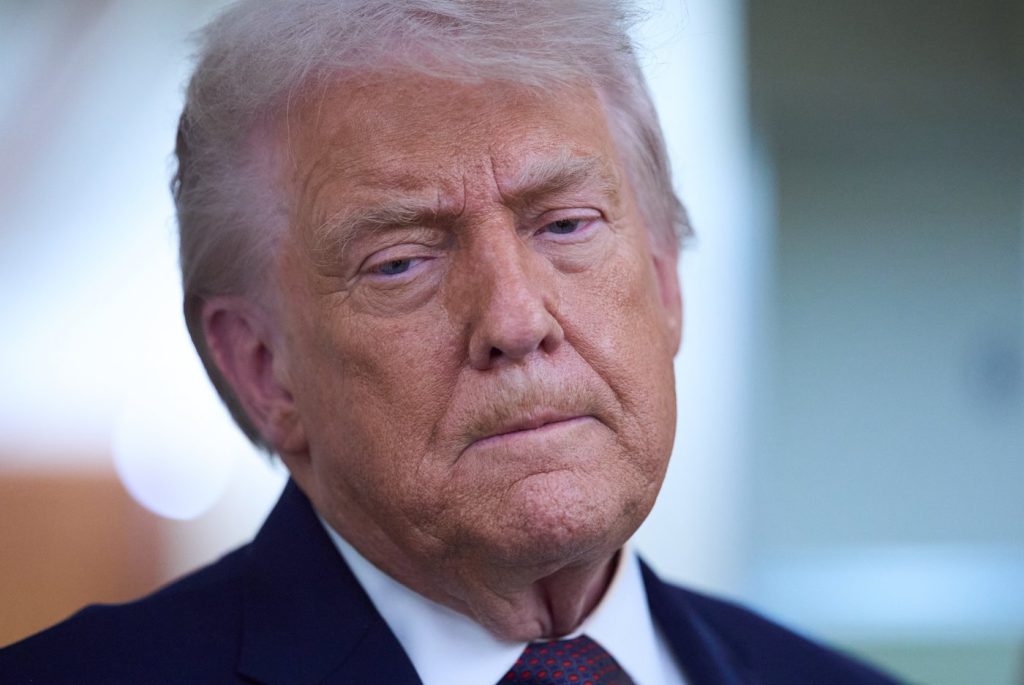
In recent weeks, a significant cultural backlash against Donald Trump's immigration policies has emerged across various sectors in American society, including business, sports, and entertainment. This reaction follows a series of events related to the actions of Immigration and Customs Enforcement (ICE) and the heightened tensions in Minnesota, where concerns escalated after the shooting death of Alex Pretti, a U.S. citizen, during an altercation with federal agents.
Prominent figures have voiced their concerns publicly. Bruce Springsteen released a new song titled “The Streets of Minneapolis,” criticizing Trump as “federal thugs” persecuting ordinary citizens. Within the tech industry, OpenAI CEO Sam Altman expressed discomfort with ICE's aggressive tactics, stating that “what's happening with ICE is going too far.” Lifestyle icon Martha Stewart shared her fears on social media, warning of the dangers that individuals face under these policies.
As Trump enters his second year in office, he faces increasing cultural resistance that could threaten both his administration's domestic agenda and Republican control of Congress ahead of the midterm elections. To mitigate backlash, Trump took steps to change leadership in the ICE, dispatching Tom Homan to replace the controversial Border Patrol commander Greg Bovino, who had become a focal point of criticism. However, the effectiveness of this strategy remains uncertain amidst continued federal operations in Minnesota and expanded efforts in other regions like Maine.
The Republican Party is apprehensive about the situation, as concerns rise that the backlash may impact their electoral prospects. Doug Heye, a Republican strategist, indicated that the administration is “spooked” by these developments. Nonetheless, Trump's core supporters remain largely united behind his stringent immigration stance, with some calling for escalated deportations, particularly targeting Muslim communities in the wake of unrest in Minnesota.
The dialogue surrounding immigration enforcement has extended to influential figures outside traditional political circles. Podcast host Joe Rogan, who had previously supported Trump, articulated concerns about the harsh tactics employed by immigration agents, questioning if the U.S. is becoming like the Gestapo. Over 60 corporate leaders, including executives from major companies such as Target and Best Buy, released a letter urging de-escalation following Pretti’s death, showing growing corporate discomfort with the federal government's approach.
Moreover, Apple CEO Tim Cook expressed his sorrow over the events in Minneapolis, advocating for a country that treats everyone with dignity. Additionally, tech entrepreneur Vinod Khosla criticized ICE's conduct, labeling it as “macho vigilantism,” while Jason Calacanis warned Trump about his plummeting approval ratings and the need for a complete overhaul of immigration policy to move past this “dark chapter.”
The entertainment industry has also reacted strongly to the ongoing turmoil, reflecting the general liberal trend within Hollywood. Actors such as Natalie Portman and Mark Ruffalo have publicly condemned the violence against citizens, with Ruffalo describing Pretti’s death as “cold-blooded murder.” In the realm of sports, Minnesota Timberwolves coach Chris Finch and NBA star Steph Curry have also expressed solidarity with those protesting against federal actions in Minnesota, emphasizing the need for change.
Trump appears to be recognizing the pressure he is under, hinting at a possible softening of his immigration rhetoric by indicating a need to “de-escalate” tensions in a recent Fox News interview. Yet, he simultaneously cautioned Minneapolis Mayor Jacob Frey against ignoring federal immigration laws, suggesting an ongoing commitment to his policies despite the rising dissent among various societal sectors.
Public opinion regarding Trump's immigration policies is evidently shifting. Current polling indicates that only 38% of U.S. adults approve of Trump's approach to immigration, a drop from 49% in March of this year. Furthermore, the approval ratings among self-identified Republicans have also declined significantly, indicating that the political support for Trump's immigration measures may be faltering amid the cultural backlash and increasing scrutiny.








