

Melody Leinweber's latest tattoo depicts a stylized portrait of an ostrich with a colorful beak, surrounded by pink and turquoise stars. This tattoo serves as a tribute not only to her daughter’s Christmas wish for an ostrich but also to the 314 ostriches that were culled by the Canadian Food Inspection Agency (CFIA) in November 2025 due to an outbreak of avian influenza on a British Columbia farm. Leinweber, a mother of four from West Kelowna, B.C., expressed her emotional struggle in revealing the fate of the ostriches to her children.
The cull has sparked a significant movement, linking local supporters like Leinweber to broader political sentiments, including connections to the administration of former U.S. President Donald Trump and members of the pandemic-era "Freedom Convoy." The ostriches at Universal Ostrich Farms, known for their large eyes and lively behaviors, have become symbols for a community that perceives the cull as governmental overreach.
In the aftermath of the cull, the movement has flourished, including a Facebook group with over 80,000 members where supporters share art, merchandise, and even tattoos celebrating the ostriches. While the group maintains a festive atmosphere, it also hosts discussions rife with conspiracy theories, suggesting that the CFIA had ulterior motives for the culling, a claim the agency vehemently denies.
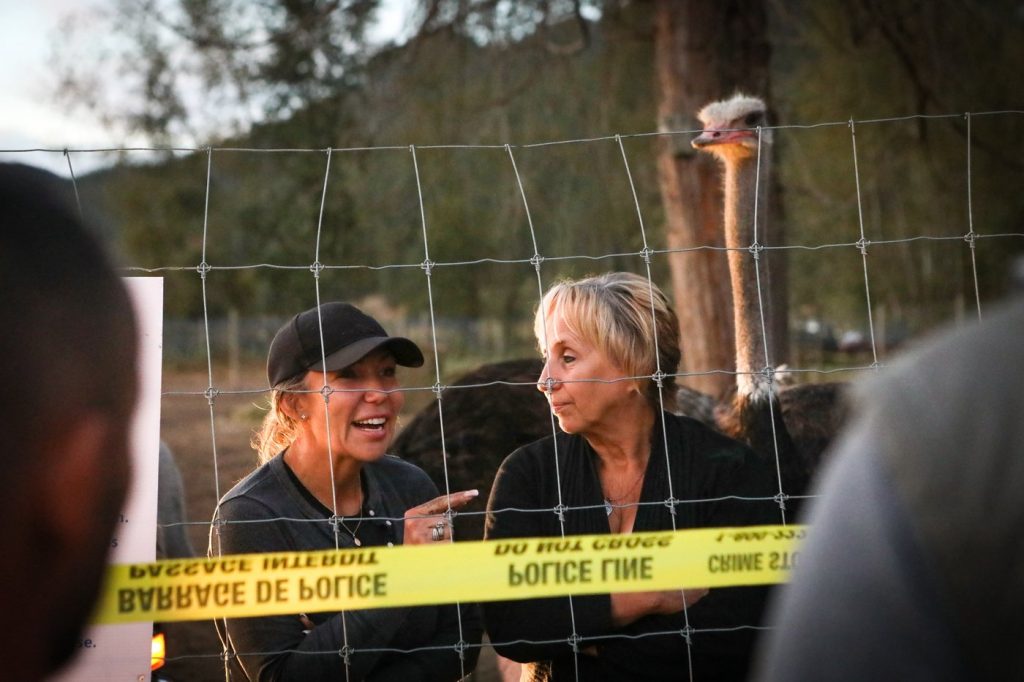
On the night of the cull, Leinweber drove 185 kilometers to the farm but chose to leave before the execution of the birds began, fearing the emotional toll it would take on her. She emphasized that the situation transcends political labels, framing it instead as a fundamental issue of right versus wrong.
Katie Pasitney, daughter of the farm's co-owner, Karen Espersen, shared that the unexpected outpouring of support from the community has been overwhelming and humbling. She noted how individuals from diverse backgrounds united in compassion for the ostriches, agreeing on the wrongness of the cull while maintaining their differences in political ideologies.
Pasitney addressed the misinformation circulating within the group, acknowledging that it could polarize supporters and detract from their core mission of advocating for transparency and reforms regarding future animal welfare policies. The farmers’ aim is to foster a culture of critical thinking and respectful dialogue, distancing themselves from conspiracy theories and division.
The timeline of the ostrich saga began in early December 2024, with the farm reporting ill and dying birds. On December 30, the CFIA acted after receiving an anonymous tip, testing samples that confirmed the presence of avian influenza. A cull was ordered shortly after, leading to a contentious battle by the farm to save the remaining ostriches, which ended poorly with 69 birds lost to the outbreak.
Various court rulings backed the CFIA’s decision, asserting that the farm had insufficient justification for retaining its flock based on the claimed rare genetic traits of the birds. Support for the farm remained steadfast among its community, leading to gatherings, prayer circles, and even concerts aimed at highlighting their cause.
Timothy Caulfield, a specialist in health-related misinformation, pointed out that the ostrich cull issue evolved into a cultural symbol for a community struggling with governmental authority and pandemic-related fears. He believes that the emotional appeal of the ostriches ultimately overshadowed the scientific discourse surrounding the avian flu and its containment strategies.
A B.C. legislator, Jordan Kealy, has publicly supported Universal Ostrich Farms, voicing concerns about the unchecked powers of the CFIA, which could jeopardize farmers across the province. He advocates for alternative practices to assist farmers in avoiding mass culls in the future.
The CFIA has reiterated that the cull was conducted as a necessary measure under its "stamping-out" policy for avian influenza, necessary for protecting animal health and the poultry industry. Kealy contested that the unique circumstances of Universal Ostrich Farms—where birds were not raised for human consumption—should have warranted a reconsideration of the culling policy applied.
The ongoing situation has prompted discussions about agricultural reform and regulatory practices, with the Espersen family actively pursuing changes to prevent similar occurrences in the future. Pasitney acknowledged the deep emotional bond community members have developed with the ostriches, indicating that the response to their cull reflects a yearning for understanding and reform in animal welfare practices.
Overall, Leinweber noted the experience has compelled her to question future government actions, citing a potential threat to individual rights. She plans to take her children to visit the farm, emphasizing that while the ostriches are gone, their memories and the community’s support persist.








