

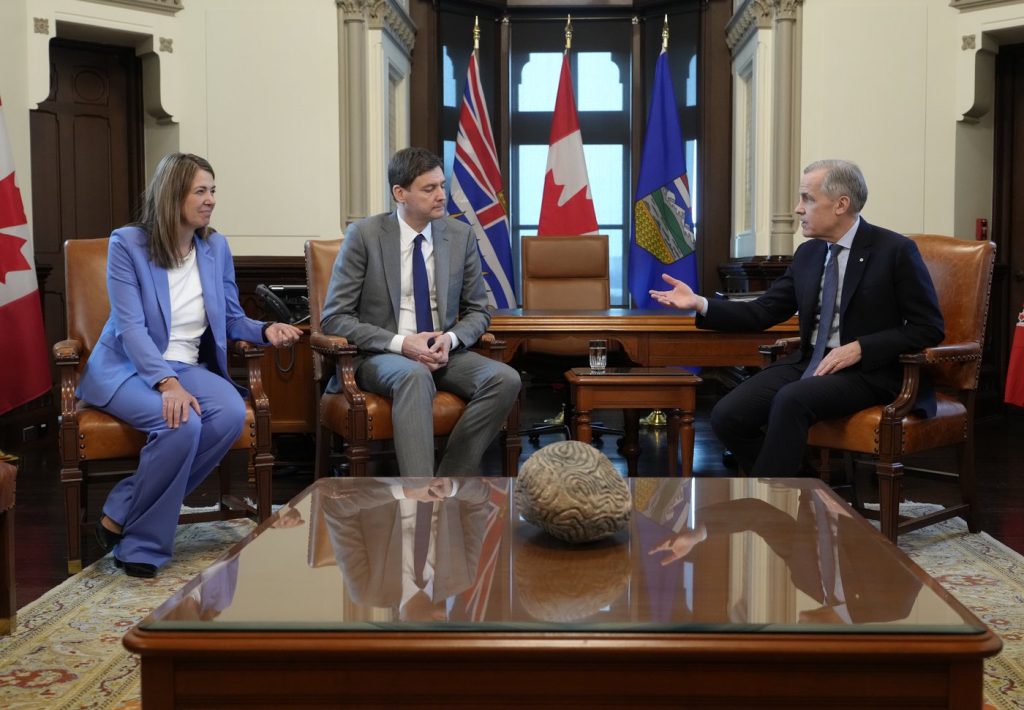
On January 29, 2026, Canada's premiers convened with Prime Minister Mark Carney in Ottawa, with the renewal of North America's trilateral free trade agreement looming over the discussions. This meeting comes as Canada, the United States, and Mexico prepare to enter a review of the trade pact this year, amidst escalating tensions. U.S. President Donald Trump has voiced threats regarding new tariffs which add to the uncertainties facing the provinces.
During the meeting, Ontario Premier Doug Ford and New Brunswick Premier Susan Holt expressed their support for Carney's statement that “almost nothing is normal” in the current relationship between Canada and the United States. This acknowledgment reflects the complex political landscape that the premiers navigate, particularly with the ongoing discussions surrounding the trade agreement and economic policies.
The premiers aimed to present a united front, dubbed “Team Canada,” although internal interprovincial tensions were apparent. A significant point of contention includes the frustrations of British Columbia (B.C.) regarding the federal government’s endorsement of a proposed pipeline project leading to the West Coast. The differing priorities among provinces are crucial to the dynamics of the discussions, particularly as interests relating to energy resources and environmental concerns collide.
Alberta Premier Danielle Smith, addressing reporters about the possibility of a new pipeline, expressed a sense of optimism, stating that she perceived signs of “progress.” She remarked that her discussions with B.C. Premier David Eby and Prime Minister Carney had been constructive, indicating an opening for potential collaboration or compromise on the contentious issue of energy transportation.
The significance of these meetings reflects not just the regional challenges but also the broader implications for Canada’s economy and its relationship with the U.S. Any alterations to the trade agreement or introduction of tariffs could have widespread effects on Canadian industries, making these discussions critical for provincial leaders as they navigate their positions in light of national interests.
The atmosphere in Ottawa was one of cautious optimism but underscored by the awareness of the stakes involved in upcoming negotiations and decisions. The interplay between provincial autonomy and federal policies continues to shape the discussion, as provinces lay their strategies on the table while confronting the looming uncertainties posed by external economic pressures.
As the meeting unfolded, the focus remained on striking a balance between provincial aspirations and the collective interests of the nation. The outcome of this meeting might influence the direction of Canadian policies, particularly as they pertain to trade and energy, in the years to come.








