

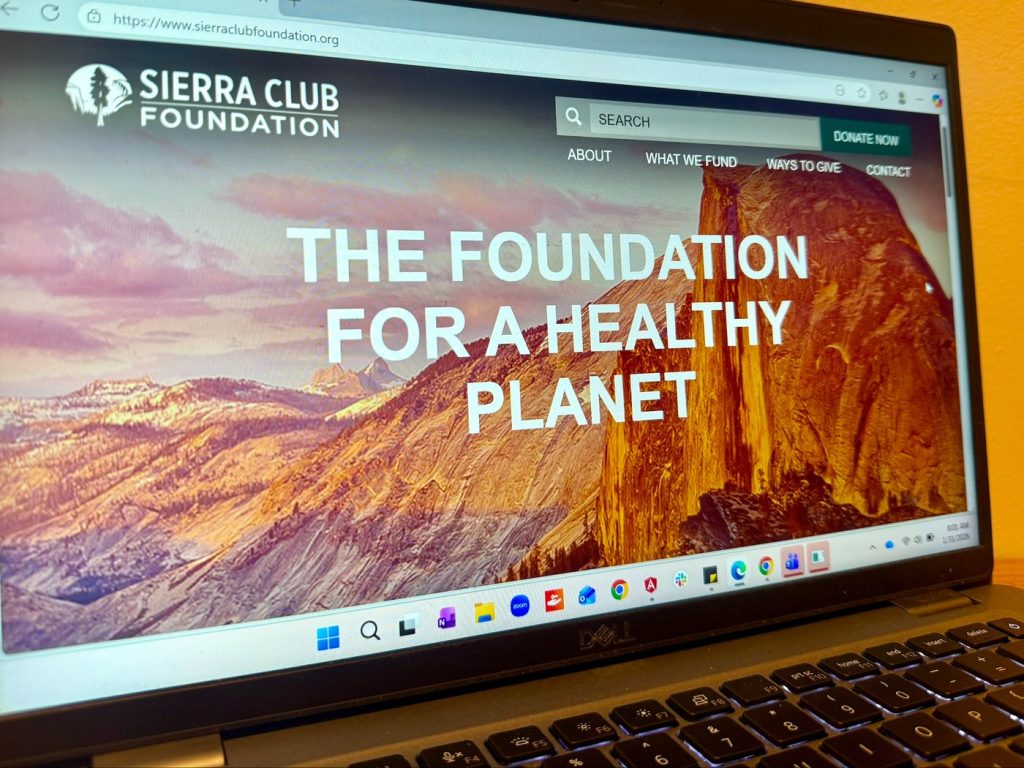
In May 2023, Pedro da Silva, a former investment management professional, joined the Sierra Club Foundation, an influential environmental group's philanthropic arm. He was tasked with leading the "Shifting Trillions" program, which sought to redirect major banks' investments from the fossil fuel sector towards climate solutions. This initiative came following the murder of George Floyd, which prompted the Sierra Club to focus on environmental justice and commit to diversifying its workforce after acknowledging its founder John Muir's racist views.
However, da Silva's experience at the foundation took a troubling turn. He filed a wrongful termination lawsuit in California state court, alleging that normal workplace interactions were misconstrued into a harassment complaint that relied on racist stereotypes pertaining to Black men. According to da Silva, his firing was retaliation for voicing concerns about discrimination and the lack of diversity within the organization.
Da Silva expressed disappointment in how the Sierra Club's commitments to racial justice did not translate into supportive internal practices. "That’s what hurts movements so much,” he stated, highlighting the gap between public statements promoting diversity and the reality faced by diverse leaders within the organization. The Sierra Club has been undergoing significant changes, notably facing a $40 million budget deficit in 2023 and the ousting of Ben Jealous, its first Black executive director, after allegations of harassment and bullying were raised against him.
A spokesperson for the Sierra Club Foundation maintained that da Silva's termination was "carefully considered" and that his claims were baseless. In his view, the circumstances reflect a broader issue within progressive nonprofits that, while hiring qualified leaders of color post-2020 for race-related projects, fail to adequately support them or their equitable missions.
The lawsuit highlights a concerning trend amid a broader backlash against diversity and equity initiatives, particularly following former President Donald Trump's administration's executive orders aimed at limiting such efforts. This environment raises fears of high turnover among Black nonprofit leaders after a period when many were brought into power. Michael Leach, the first White House chief diversity officer under President Joe Biden, emphasized that embedding equity into leadership and decision-making processes can create resilience against political shifts.
Da Silva described his commitment to the Shifting Trillions program as significant, taking a 40% pay cut for the role that was expected to evolve into a major division within the foundation. Although he claims to have influenced over $2 trillion in financial practices, he felt undermined by the lack of promised resources and support. Tension increased when he began raising concerns about the organization's treatment of Black employees and the transparency of hiring processes.
In late January 2025, da Silva was informed of an investigation into his conduct, which included innocuous actions such as recommending literature and maintaining casual workplace communications. This investigation, according to the lawsuit, deteriorated his relationship with executive director Dan Chu, who purportedly sought to undermine Jealous's leadership with harassment allegations. Da Silva claimed that as he spoke out against these practices, his treatment within the organization worsened.
Other individuals in the nonprofit sector have shared similar experiences, noting that minority leaders often feel pressured to succeed while leading institutions facing financial instability. As a consultant, Chanda Causer described the transition to increased salaries for social justice roles as a double-edged sword, with leaders of color being expected to salvage failing organizations without adequate resources.
In summary, da Silva's case and the broader discussions surrounding racial equity in nonprofits underscore significant challenges faced by leaders of color in their roles. The complexities of navigating identity, financial sustainability, and organizational culture persist as critical issues in philanthropy, reflecting ongoing struggles for genuine inclusivity and support within the sector.








