

When meteorologists predict turbulent weather characterized by severe winds and heavy snowfall, they may issue warnings of a storm potentially "bombing out" or evolving into a bomb cyclone. This terminology refers to a specific meteorological phenomenon known as bombogenesis, recognized by the U.S. National Oceanic and Atmospheric Administration (NOAA).
Bombogenesis occurs when a storm's central pressure decreases by at least 24 millibars within a 24-hour period. This significant drop in central pressure is indicative of intensifying storms, leading to the classification of such systems as bomb cyclones. Storm intensity is primarily measured by central pressure; therefore, a crucial principle is that the lower the pressure, the stronger the storm becomes.
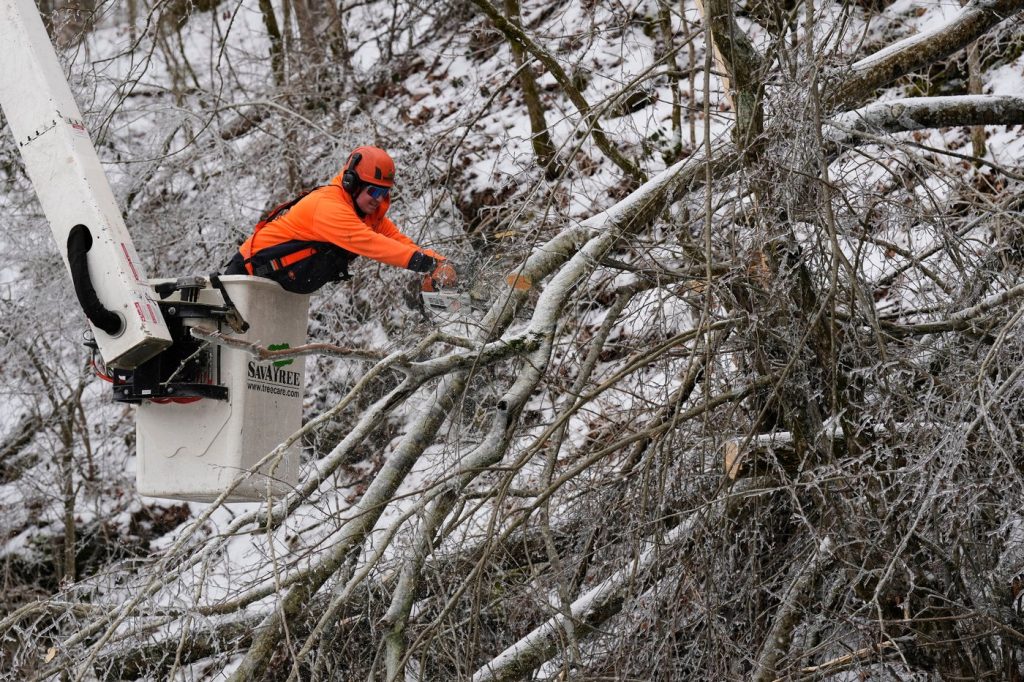
Bomb cyclones are notorious for producing extreme weather conditions, including heavy rainfall and blizzard circumstances. Additionally, they can generate intense winds that contribute to hazardous environments, such as uprooted trees and widespread power outages. Andrew Orrison, a meteorologist from the National Weather Service based in College Park, Maryland, notes, "If you're watching TV at night and the weather report comes on, and you're hearing 'bomb cyclone' being used, that usually means there’s quite a bit of active weather going on."
Though bomb cyclones can occur at any time of the year, they predominantly manifest during the fall and winter seasons. This seasonal trend is primarily due to the clash of frigid air masses originating from the Arctic and warmer air masses moving in from the south. Orrison emphasizes that "it's really the clash of those air masses that really kind of helps to generate the areas of low pressure in the first place."
Geographically, certain regions in North America are particularly vulnerable to experiencing bomb cyclones. Areas such as Alaska, the Pacific Northwest, and the Great Lakes region are more likely to witness these rapidly intensifying storms. The unique climatological conditions in these areas create an environment conducive to bombogenesis, making them hotspots for severe winter weather.
In summary, bomb cyclones represent a significant weather phenomenon characterized by rapid pressure drops and associated severe weather impacts. Their occurrence may bring about dangerous conditions, necessitating awareness and preparedness among residents in affected areas. As the weather continues to evolve, staying informed through meteorological forecasts becomes increasingly important for public safety.








