

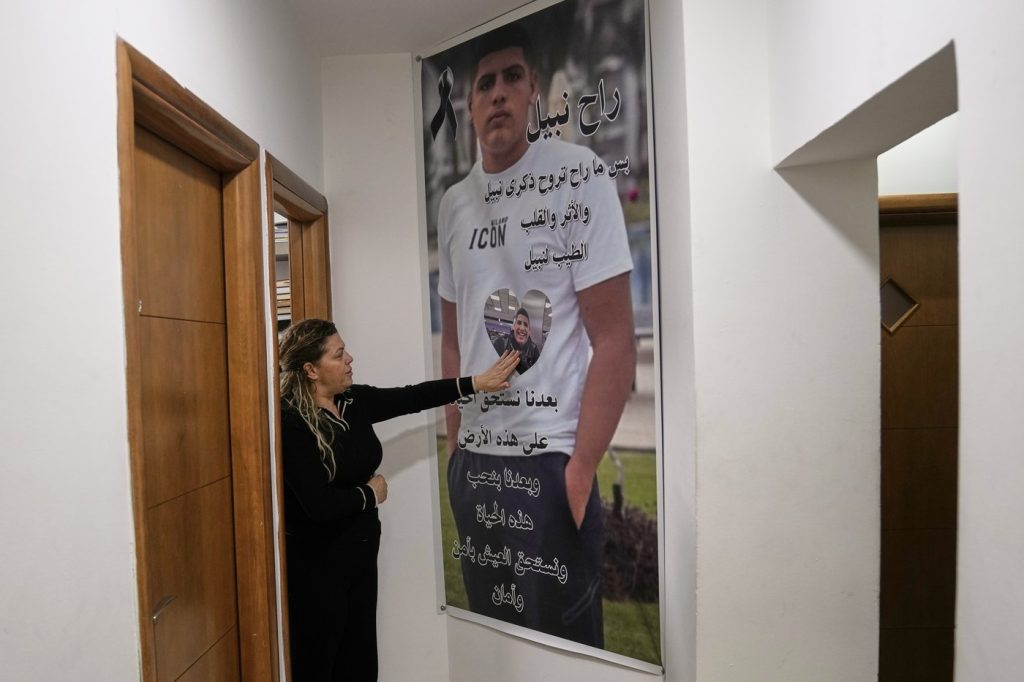
KAFR YASIF, Israel (AP) — Nabil Safiya, a 15-year-old boy, was tragically shot dead while sitting in a car outside a pizza parlor in Kafr Yasif on his break from studying for a biology exam. The shooter, who was on a motorcycle, mistakenly targeted him. The incident has shaken the small town, which, like many Palestinian communities in Israel, has been grappling with increasing gang violence and family feuds.
Nabil’s father, Ashraf Safiya, expressed his fear and frustration regarding the rampant violence that pervades daily life in their community. He lamented that gunfire could erupt at any time and in any location, whether it be at school, on the streets, or at sporting events. This alarming trend highlights the pervasive reality for Israel's Arab minority, who have faced escalating violence and systemic neglect by authorities.
Authorities acknowledged that the violence has reached epidemic levels, with statistics revealing that one in five Israeli citizens is Palestinian. However, the crime-related killing rate among Palestinian citizens was more than 22 times higher than that of their Jewish counterparts, while the justice system’s response remains inadequate. Only 8% of murders within Palestinian communities led to charges being filed in 2022, compared to 55% in Jewish communities, according to data from Abraham Initiatives.
The outcry following Nabil's death was not just about this individual incident, but rather a culmination of repeated tragedies that have become a fixture of life for many. Following his murder, demonstrations erupted across Israel, with thousands marching in cities like Tel Aviv to demand government action. The Arab community has rallied together, leading strikes and boycotts of schools and businesses to protest the violence and lack of sufficient law enforcement.
Experts, including criminologist Walid Haddad, have indicated that organized crime flourishes in communities plagued by economic instability, where individuals often lack access to legitimate financial resources. This environment fosters conditions for gangs to thrive, utilizing illegal activities such as loan sharking and drug trafficking while residents live in constant fear of extortion and violence.
The police have faced sharp criticism for their handling of the situation. Activists argue that policing in Palestinian areas is characterized by neglect and bias, with calls for them to increase their presence met with indifference. Many residents have begun to reconsider their stance on police presence, realizing that without intervention, the violence will continue unabated. Ashraf Safiya has made it his mission to ensure that his son’s killing serves as a catalyst for change, insisting that the bloodshed must stop.
In the aftermath of Nabil's murder, local authorities reported that indictments would soon be filed against a 23-year-old suspect connected to the incident, which was part of ongoing blood feuds within Arab society. The police’s characterization of Nabil as a victim of these feuds further underscores the complexities of the violence in these communities. However, residents continue to feel that state authorities have failed them, emphasizing that selective enforcement and a lack of action against organized crime are contributing to the environment of fear and despair.
As Kafr Yasif and other communities mourn and protest, they seek justice and safety in their daily lives. The situation remains dire, with the number of killings continuing to rise and the community’s trust in law enforcement facing steep challenges. Activists and residents assert that without significant changes to how authorities respond to crime and violence, the cycle of bloodshed will only persist.








