

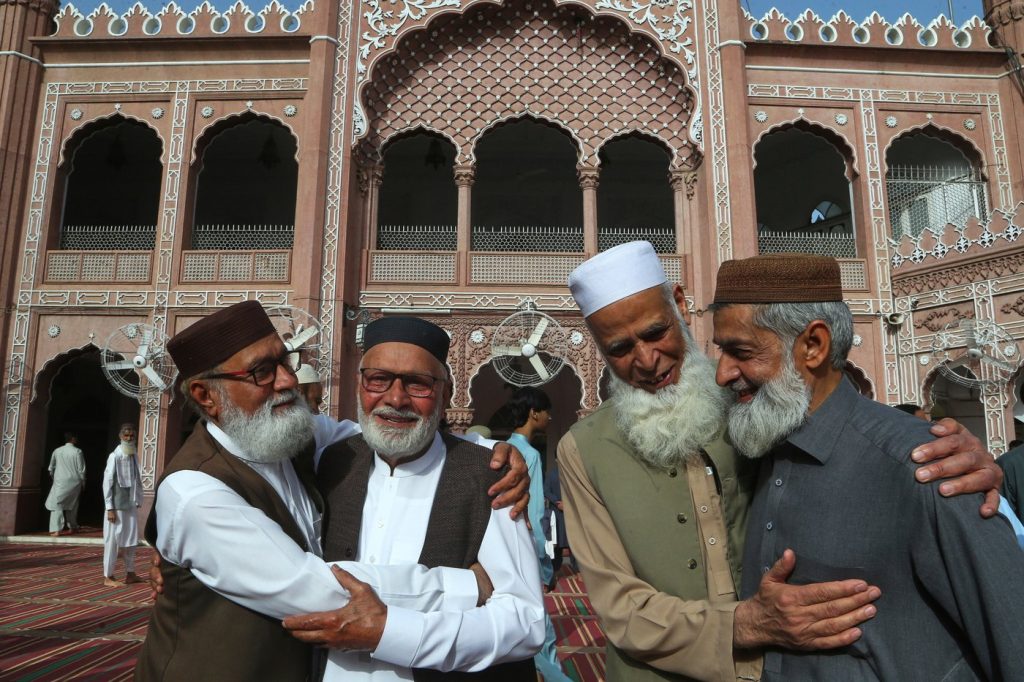
CAIRO (AP) — Muslims around the globe are preparing to enter the Islamic holy month of Ramadan, a period marked by daily fasting from dawn until sunset. This month is significant for increased worship, reflection, and acts of charity. It also serves as an occasion for families and friends to gather for festive meals to break their fast.
Ramadan, which is the ninth month of the Islamic lunar calendar, is expected to commence around February 18 or 19 this year. The exact date may vary based on the sighting of the crescent moon and local declarations by various Islamic authorities. This year's start coincides with Ash Wednesday, marking the beginning of Lent in the Christian calendar.
Fasting during Ramadan is one of the Five Pillars of Islam, integral to the faith. Observant Muslims engage in fasting not only as an act of worship but also as a means to cultivate self-restraint, gratitude, and empathy toward the less fortunate. The fast prohibits all food and drink, including water, from dawn until sunset. The daily fast is traditionally broken with a meal known as “iftar,” while a predawn meal called “suhoor” is consumed to prepare for the day ahead.
Charity holds a prominent place during Ramadan, with many Muslims seeking to provide iftar meals to those in need. This may include distributing Ramadan boxes filled with essentials, offering warm meals alongside dates and juices, or organizing communal gatherings for breaking the fast.
There are exemptions for those unable to fast, such as individuals who are ill or traveling. In such cases, they are required to make up for the missed days later. Cultural traditions throughout Ramadan vary widely among the diverse Muslim communities worldwide, infusing a range of customs into the observance of fasting.
In Egypt, for instance, the atmosphere becomes festive, characterized by colorful lanterns and traditional Ramadan songs. Additionally, a “mesaharati” typically roams neighborhoods, signaling the time for suhoor with drum beats. The soundscape of Egypt during Ramadan is alive with such traditional practices.
The month is also marked by new television series and cultural productions that emerge as social fixtures, with advertisers competing for viewer attention. While some express concern over the commercialization of Ramadan, others believe that certain rituals can coexist with the spiritual essence of the month.
In Indonesia, various regions celebrate Ramadan with unique traditions. For example, in Aceh province, families partake in the Meugang festivities, which involve slaughtering animals and sharing the meat. Meanwhile, some residents in Tangerang engage in spiritual cleansing by washing their hair in the Cisadane River. Across Sumatra, children parade with torches and sing Islamic songs in the streets after evening prayers.
In the United States, where Muslims encompass a range of ethnic and racial backgrounds, communal iftar meals at mosques and Islamic centers foster a sense of community. Many also participate in interfaith iftar gatherings, bridging cultural and religious divides.
As the Muslim community around the world prepares for Ramadan, the month promises a blend of spiritual devotion, cultural celebration, and communal bonds that define the observance of fasting and reflection during this sacred time.








