

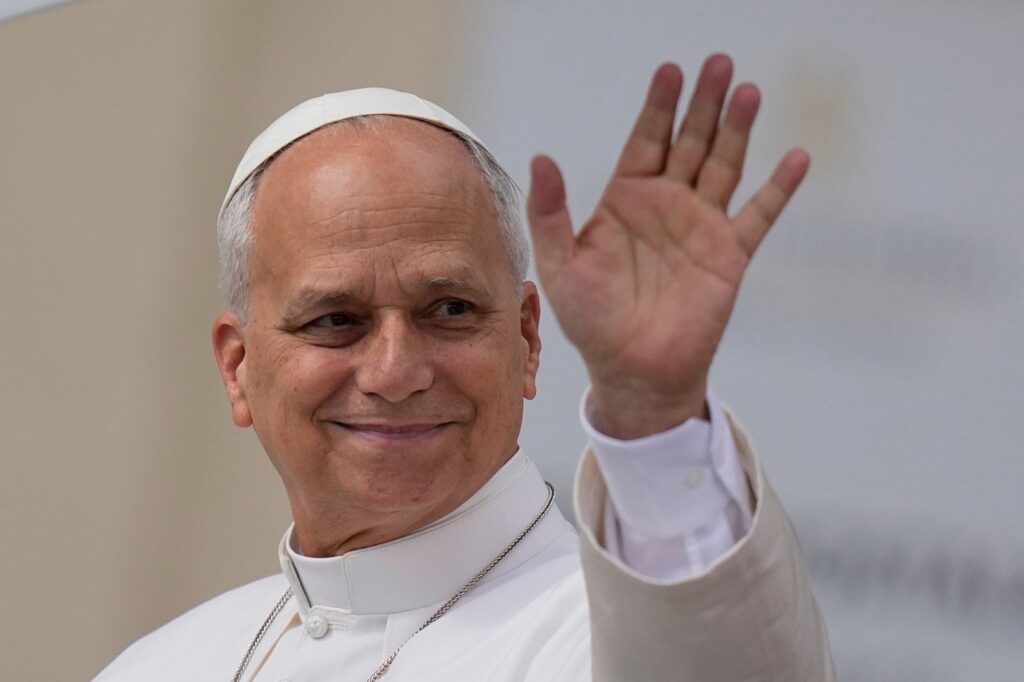
The Vatican is preparing for the release of Pope Leo XIV's first encyclical, a document anticipated to confront the implications of artificial intelligence (AI). This encyclical is expected to advocate for an ethical approach to AI, emphasizing human dignity, social relationships, and the pursuit of peace. Vatican officials have indicated that Leo signed this document on a significant date, 135 years after Pope Leo XIII's notable encyclical, "Rerum Novarum," which addressed worker rights and the implications of capitalism during the Industrial Revolution.
The original "Rerum Novarum" laid the groundwork for contemporary Catholic social teaching, which the current pope relates to today's AI revolutions, asserting that they pose similar existential challenges as faced over a century ago. The forthcoming encyclical is expected to frame the topic of AI within the broader context of social justice, labor, and peace, vital components of the Church's message.
Meghan Sullivan, a philosophy professor and director of the ethics institute at the University of Notre Dame, remarked on the Church's role in these discussions, stating that it is likely to serve as a moral authority on AI integration into society. Leo, elected in 2025, has emphasized that the Church has a responsibility to offer its rich social teachings in response to the challenges posed by AI regarding "human dignity, justice, and labor."
This weekend, as the Vatican celebrates its social communications day, Leo is expected to address the ramifications of AI on human interaction and relationships. He has previously cautioned against the rise of AI chatbots that may replace genuine human connections. The upcoming encyclical could become a disputed topic between Pope Leo and the Trump administration, particularly given the latter's focus on rapid AI development as a key component of national economic strategy.
As the AI boom continues—a trend catalyzed by advancements like ChatGPT—concerns over the risks associated with the technology have surged. These concerns range from potential existential threats to societal issues such as bias in hiring algorithms. The United Nations has initiated efforts to regulate AI, and the European Union adopted the Artificial Intelligence Act, which employs a risk-based approach toward AI governance. The Vatican seeks to contribute to these debates by promoting its ethical guidelines regarding AI's application, arguing that it should complement rather than replace human intelligence.
Furthermore, the environmental implications of AI development are a pressing matter for the Vatican; they highlight the substantial energy and water resources required by AI technology. Thomas Harmon, a theology professor at the University of St. Thomas, pointed out the Catholic Church's robust intellectual tradition on understanding humanity's essence and the importance of its voice in these discussions.
In 2020, the Vatican initiated a collaboration with tech companies to establish the Rome Call for AI Ethics, which set forth pivotal principles for AI use, including accountability and privacy. Pope Francis, in his later years, advocated for an international treaty on AI regulations to ensure technology aligns with human values such as compassion and morality. He emphasized the necessity for political engagement in ensuring AI remains human-centric, particularly in the context of military applications.
Pope Leo XIV has voiced concerns about the implications of AI on global peace and the nature of reality itself, reflecting on the potential misinformation posed by generative AI technologies. He aims to ensure that discussions surrounding the development of AI—especially in military contexts—remain focused on ethical considerations such as human dignity and societal impact. In his recent speeches, he has highlighted the ongoing conflicts in regions such as Ukraine and the Middle East as exemplars of the troubling relationship between warfare and the evolution of military technology.
As the encyclical release approaches, the Vatican appears committed to asserting its ethical framework within the rapidly evolving landscape of AI technology. This underscores the Church's role as a moral guide in a time of increasing technological advancement and ethical uncertainty.








