

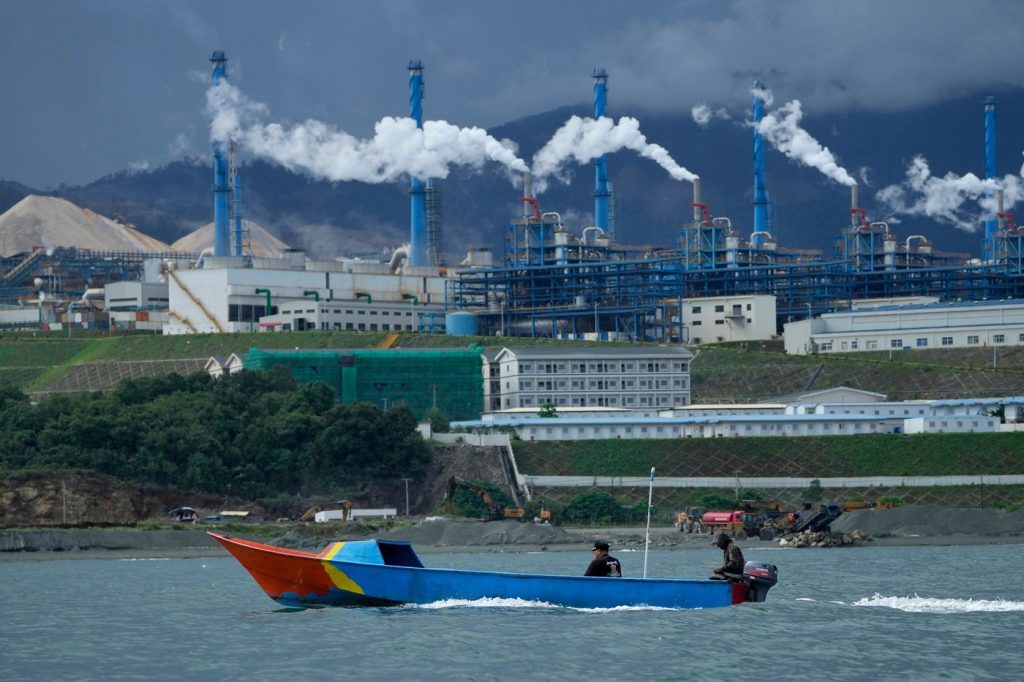
HANOI, Vietnam – Indonesia is increasing state control over its vast nickel resources, a strategic move after years of investing in a domestic electric vehicle (EV) industry. This shift comes at a time when global demand for nickel is diminishing, as the market begins to pivot away from heavy reliance on the metal.
Indonesia has emerged as a significant player in the nickel market, with its share of global supply rising to approximately 60% in 2024 from 31.5% in 2020. This surge follows former President Joko Widodo's ban on raw nickel ore exports, which attracted substantial Chinese investment in the country's refining sector. Jakarta's strategy was to develop a comprehensive domestic EV industry encompassing mining, battery production, and vehicle manufacturing.
However, experts suggest that the anticipated economic benefits from this endeavor are not materializing as planned. Indonesia's crackdown on illegal mining and resource exploitation in 2025 has been marked by the seizure of over 4 million hectares (9.8 million acres) of mines and plantations, alongside fines totaling $1.7 billion. Authorities are poised to target an additional 4.5 million hectares in the near future.
Despite these efforts, analysts indicate that the timing of the crackdown is unfavorable, as many manufacturers are shifting towards battery technologies that require less nickel. For instance, iron-based batteries are becoming increasingly popular, particularly in China, which is a leading consumer of nickel for its stainless steel and clean energy industries.
A significant portion of the world’s nickel production occurs on Sulawesi Island in Indonesia, which accounts for more than half of all global nickel mining. Nickel exports to China soared, with imports of nickel matte—an essential semi-processed material for battery chemicals—surging nearly 28-fold between 2020 and 2023. Meanwhile, North and South America's combined nickel output plummeted from 16% to 7%, and Europe’s share fell from 35% to 10% during the same period.
Mining operations have adversely affected Indonesia's environment, resulting in the loss of approximately 370,000 hectares of forests from 2001 to 2020, which includes a significant reduction in old-growth rainforests crucial for carbon storage. This is exacerbated by the heavy reliance on coal for powering nickel smelters, which has impeded the country’s energy transition efforts.
One notable incident was a high-profile seizure at a nickel mine predominantly owned by Tsingshan Holding Group, which has faced accusations of deforestation, pollution, and community displacement. Observers are skeptical about whether these land seizures will lead to genuine improvements in environmental protection or simply exacerbate existing issues.
Indonesia's aspirations to cultivate a domestic EV industry have seen some successes, such as the opening of its first EV battery-cell plant by South Korea's Hyundai Motor Group and LG Energy Solution in July 2024. However, in April 2025, LG Energy Solution withdrew from a larger investment due to unfavorable market conditions. The EV market in Indonesia, while growing rapidly, remains relatively small, with electric vehicle sales representing about 5% of total car sales in 2024.
As Indonesia navigates its role between the competing interests of the U.S. and China, its nationalization efforts may offer opportunities to reduce China's dominance in parts of the nickel supply chain. The Indonesian government has even invited U.S. investors to engage in its critical minerals sector, reflecting the delicate balance it seeks to maintain in these geopolitical dynamics.
However, observers caution that this drive for control may deter foreign investment in Indonesia's mining sector if regulatory measures introduce additional uncertainties. The future of Indonesia’s nickel industry hangs in the balance, with potential repercussions for both domestic and international markets.








