

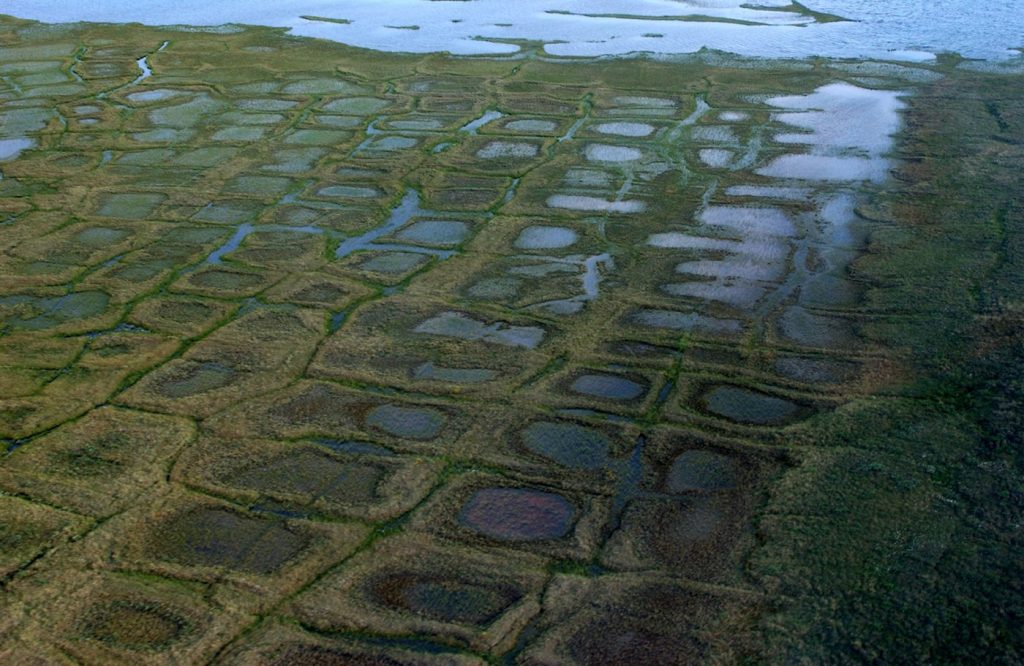
On March 18, the Trump administration's renewed push for oil and gas development in the National Petroleum Reserve-Alaska has sparked legal challenges from conservation organizations and an Iñupiat group. These groups argue that the upcoming lease sale improperly places ecologically sensitive lands at risk, lands that have previously been protected.
Two lawsuits have been filed in response to the planned lease sale. One lawsuit, brought by Earthjustice on behalf of the Center for Biological Diversity and Friends of the Earth, was filed in federal court in Alaska. The second lawsuit was filed by The Wilderness Society and Grandmothers Growing Goodness in federal court in the District of Columbia, aiming to highlight the impacts that oil and gas development may have on Iñupiat communities.
This planned lease sale marks the first in the reserve since 2019 and is the initial sale under a law passed by Congress last year, which mandates a minimum of five lease sales over a ten-year period. The National Petroleum Reserve-Alaska, situated on Alaska's North Slope, encompasses an area roughly equivalent in size to Indiana. It serves as a vital habitat for an array of wildlife, including caribou, bears, wolves, and millions of migratory birds.
The lawsuits name key defendants, including the U.S. Department of the Interior, the U.S. Bureau of Land Management, and leading agency officials. Notably, the Earthjustice complaint also includes the U.S. Fish and Wildlife Service. Efforts to obtain comments from an Interior Department spokesperson on the matter have been initiated.
The legal actions are part of an ongoing debate about the extent to which the National Petroleum Reserve should be accessible for development. The Trump administration's management plan contemplates making approximately 80% of the reserve available for oil and gas leasing. Proponents of this approach argue that the reserve's designation as a petroleum area implies that drilling is appropriate there, while opponents contend that there needs to be a balance between drilling permissions and protecting sensitive lands. Furthermore, opinions among Alaska Natives are divided; some North Slope leaders support drilling in the reserve, while others express concerns about potential negative impacts on their communities.
The lawsuits specifically highlight that the upcoming lease sale includes tracts of land near Teshekpuk Lake and the Colville River, which have previously been designated as special due to their wildlife habitats and subsistence value. Plaintiffs assert that the sales notices provide no justification for including these tracts and fail to acknowledge earlier findings by the Bureau of Land Management that identified these areas as unsuitable for leasing.
In its suit, Earthjustice argues that the management plan related to the lease sale unlawfully removes lands from the Teshekpuk Lake Special Area and effectively eliminates the Colville River Special Area. It emphasizes that longstanding federal law gives the Interior Secretary the authority to designate special areas to protect significant resource values and argues that Congress has not authorized the Secretary to remove such protections, especially where critical resources still exist.
Teshekpuk Lake is the largest lake in Alaska’s Arctic region, while the Colville River and its wetlands are crucial for nesting raptors and support subsistence activities for North Slope residents. The lawsuit seeks to have any leases resulting from the upcoming sale invalidated and to block future sales based on what the plaintiffs argue are inadequate environmental reviews and flawed land management plans.
The other lawsuit requests judicial declaration that a decision by an Interior Department official to cancel a right-of-way, originally authorized during the Biden administration to protect the Teshekpuk caribou herd and other habitats, is arbitrary and improper. It also contests the validity of tracts offered for lease that intersect with this canceled right-of-way and other nearby areas deemed prime for oil and gas development by the Bureau of Land Management.








