

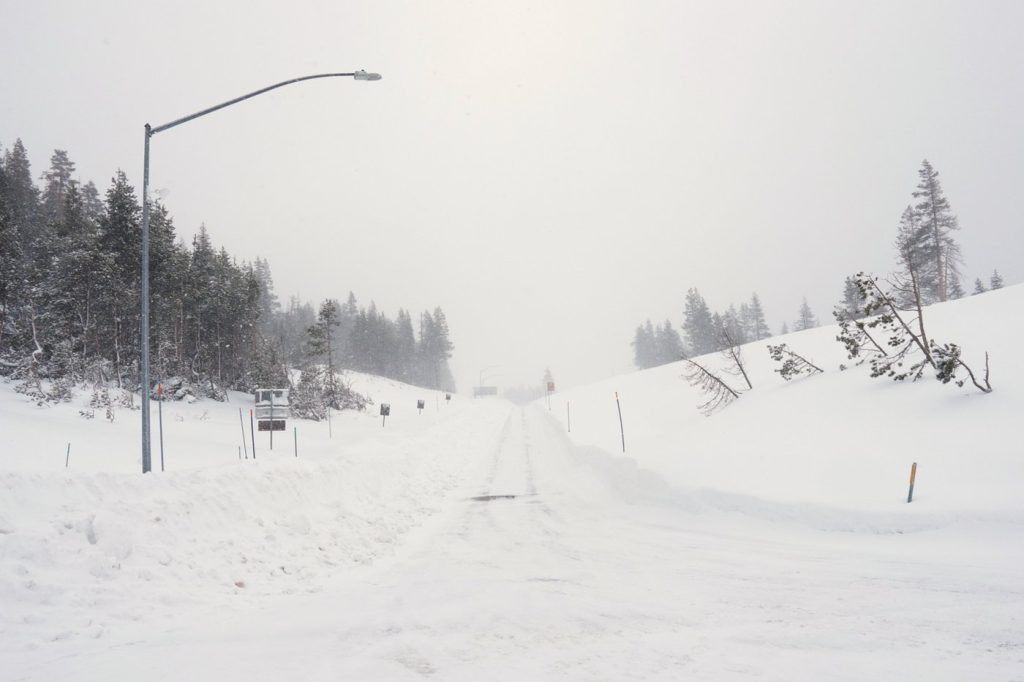
A weeks-long "snow drought" in Northern California's Sierra Nevada contributed to a deadly avalanche on Tuesday, which claimed the lives of at least eight backcountry skiers near Lake Tahoe. The avalanche occurred after several feet of new snow fell on a hardened base layer, creating unstable conditions that were easily triggered. Craig Clements, a meteorology professor at San Jose State University, noted that the fresh snow did not have sufficient time to bond with the underlying layer, which led to the tragic event.
The group of backcountry skiers was on a three-day trek when they were caught in the avalanche as a winter storm impacted the West Coast. While six skiers were rescued, rescuers continued to search for one skier who remained missing. The Sierra Avalanche Center highlighted that avalanche risks are highest in the first 24 to 48 hours after significant snowfall, and authorities had already issued warnings for the area.
The hazardous conditions resulting from the snow drought and the recent heavy snowfall can be explained by the behavior of snow crystals during extended dry periods. When the weather is clear and dry, snow crystals can change shape, becoming either angular or rounded. This transformation leads to an inability for heavy new snow to bond effectively with the existing layers, resulting in the formation of a "storm slab" over a weaker base. Clements explained that once this occurs, the layers are prone to sliding under various triggers, such as natural changes in the snowpack or human activity in the area.
While climate change is often implicated in extreme weather patterns, scientists contend it is challenging to determine its specific impact on avalanche occurrences. Clements stated that the recent avalanche is typical for California's Sierra Nevada and cannot be directly linked to climate change. He classified the event as a "meteorological phenomenon" rather than a product of climate shifts.
Leading up to the tragedy, approximately three to six feet of snow had fallen since Sunday, when the skiing group began their trip, alongside subfreezing temperatures and gale-force winds. The Sierra Avalanche Center reported that the threat of more avalanches persisted following the incident, leaving the snowpack in a precarious and unstable state.
In the aftermath of the avalanche, crews successfully located the bodies of eight skiers, marking this incident as one of the deadliest avalanches in the United States in nearly fifty years. Six individuals from the group managed to survive and were rescued approximately six hours after the avalanche struck. Investigations led by the Nevada County Sheriff's office are poised to examine the decisions made regarding the trip, especially in light of the adverse weather forecasts. On the morning of the avalanche, at 6:49, the Sierra Avalanche Center had issued a watch for the area, indicating a high likelihood of large slides within the subsequent 24 to 48 hours.
The unfortunate events in the Sierra Nevada underscore the potential dangers associated with backcountry skiing, especially during unstable weather conditions. As the inquiry continues into the decisions made prior to the tragedy, attention also turns to the necessary precautions that outdoor enthusiasts should take when engaging in winter sports amidst unpredictable weather patterns.








