

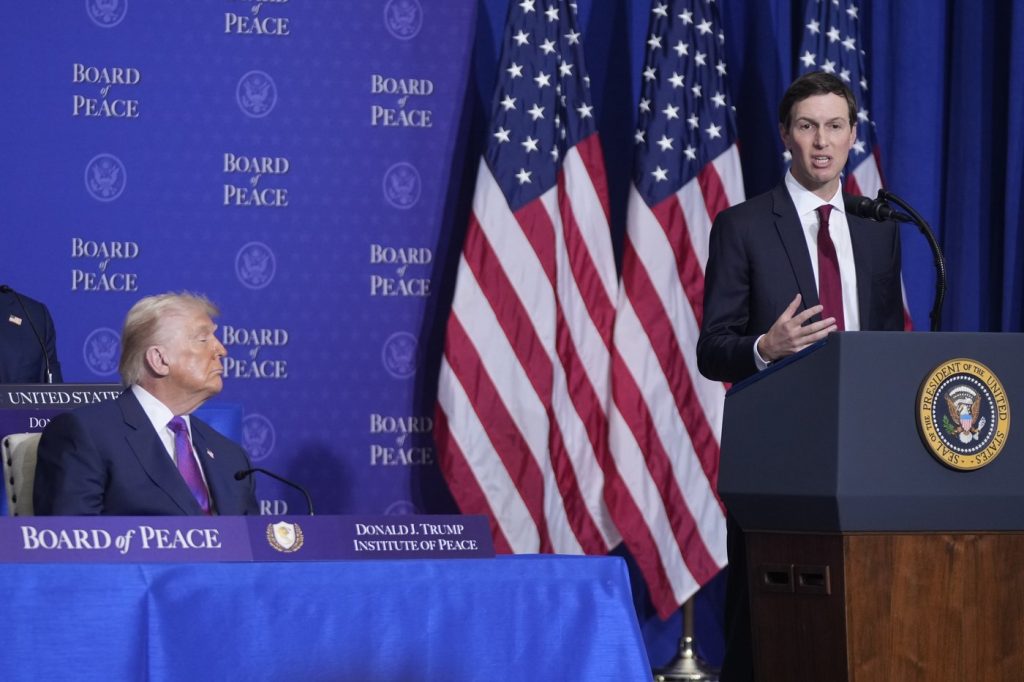
On Thursday, February 19, 2026, the Board of Peace convened for the first time in Washington, D.C. This significant meeting brought together officials from nearly 50 countries, marking a crucial step in international efforts to address the ongoing humanitarian crisis in the Gaza Strip. Out of the participating countries, 27 officially joined the board, while the remaining nations, along with representatives from the European Union, attended as observers.
President Donald Trump opened the session, highlighting the commitment of nine board members who pledged a collective sum of $7 billion aimed at providing much-needed relief to the war-torn Gaza Strip. This financial commitment underscores the urgency and necessity of international cooperation in addressing the humanitarian needs arising from prolonged conflicts in the region.
The list of member countries that attended the meeting showcases a diverse representation from different regions, illustrating a collaborative approach to peace and stability. The member countries include Albania, Argentina, Armenia, Azerbaijan, Bahrain, Bulgaria, Cambodia, Egypt, El Salvador, Hungary, Indonesia, Israel, Jordan, Kazakhstan, Kosovo, Kuwait, Mongolia, Morocco, Pakistan, Paraguay, Qatar, Saudi Arabia, Turkey, the United Arab Emirates, Uzbekistan, and Vietnam. Each of these nations brings unique perspectives and support mechanisms intended to foster peace in the region.
In addition to the member countries, a variety of nations participated in the meeting as observers. These include Austria, Croatia, Cyprus, the Czech Republic, Finland, Germany, Greece, India, Italy, Japan, Mexico, the Netherlands, Norway, Oman, Poland, South Korea, Romania, Slovakia, Switzerland, Thailand, and the United Kingdom. The presence of these observer countries indicates a broader international interest in the approaches being developed to achieve peace and stability in conflict areas.
This inaugural meeting of the Board of Peace not only serves as a platform for dialogue and collaboration but also emphasizes the international community's shared responsibility to support humanitarian initiatives. The collective contributions pledged by the board members signify a proactive approach towards addressing urgent humanitarian issues in Gaza and highlight the potential for collaborative frameworks in resolving conflicts through diplomatic means.
As the world watches closely, the outcomes of this meeting may shape future actions and strategies aimed at facilitating peace in regions plagued by conflict. The ongoing commitment from both member nations and observers may hold the key to restoring hope and providing relief to those affected by war, particularly in the Gaza Strip, which has faced significant adversity.








