

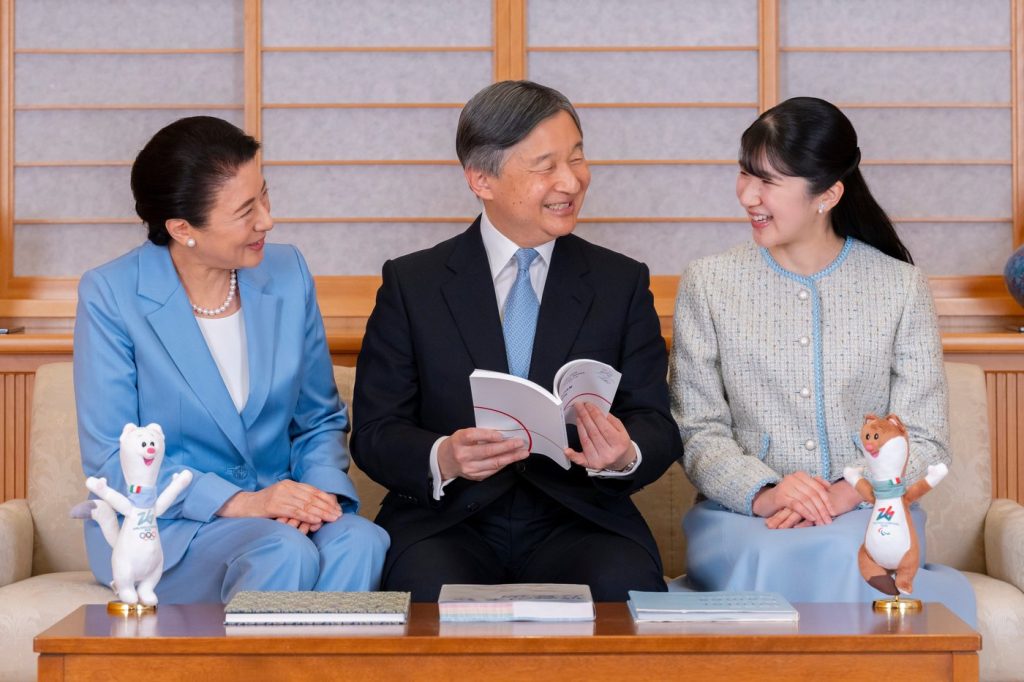
TOKYO (AP) - Japanese Emperor Naruhito expressed his ongoing concern for the survivors of the catastrophic events of March 11, 2011, which included a massive earthquake, a powerful tsunami, and the subsequent nuclear disaster. These comments were released to mark his 66th birthday and were made just weeks before the anniversary of the tragedy.
In his remarks, Naruhito acknowledged the progress made in restoring the country's infrastructure but emphasized that the emotional and social reconstruction of the affected communities remains a critical issue. He highlighted the enduring scars borne by those who lost loved ones and experienced significant alterations to their living conditions. “As I think of those who lost their loved ones and had to cope with complete change of their living environment,” he noted, “I feel their scars have not healed yet … they stay despite the passage of time.”
The Emperor, along with Empress Masako and their daughter, Princess Aiko, made a public appearance from the palace balcony, where they waved to well-wishers who greeted them with small rising-sun flags. This event was part of the royal family's celebration and acknowledgment of the support from the public.
The devastating events of 2011 resulted in nearly 20,000 fatalities, forced hundreds of thousands to evacuate their homes, and triggered reactor meltdowns at the Fukushima Daiichi nuclear power plant. Although many of the regions once impacted by radiation have reopened, the return of evacuees has been limited due to persistent job shortages and the loss of community ties.
In addition to commemorating the disaster, Japan will also observe the 10th anniversary of the Kumamoto earthquake in April, which led to the deaths of approximately 300 individuals. Naruhito used this occasion to emphasize the importance of transmitting the lessons learned from such calamities to younger generations while also ensuring that the nation is prepared for future disasters.
The Emperor expressed his commitment to remain close to the people, sharing in their joys and sorrows, and listening attentively to the voices of those in disaster-affected areas. He conveyed his hopes for the absence of future disasters during his lifetime, showing his empathetic connection with the populace.
Naruhito also spoke about the importance of his daughter, Aiko, continuing the legacy of awareness and commitment to humanitarian efforts. “We have raised Aiko hoping she will be a fine person as a human being and a royal member,” he stated, expressing his desire for her to take an active role in international peacekeeping endeavors.
At 24 years old, Princess Aiko is the only child of Naruhito and Masako. Due to Japan's male-only succession law, which Prime Minister Sanae Takaichi supports and aims to reinforce, she is unable to ascend to the throne. Furthermore, should she choose to marry a commoner, she would have to relinquish her royal status.
The solemn reflections by Emperor Naruhito on the scars left by natural disasters as well as his aspirations for Aiko's future embody a deep-rooted commitment to healing and community resilience in Japan's journey toward recovery and preparedness.








