

ARACHOVA, Greece (AP) - Giannis Stathas, the mayor of Arachova, recalls his childhood spent snowed in during harsh winters, which made the village a popular winter destination for Greeks due to its ski resort. He reminisces about the days when heavy snowfall would keep children from school, a reality that has drastically changed in recent years. Stathas notes that snow that once blanketed the lower altitudes of his village has significantly declined over time.
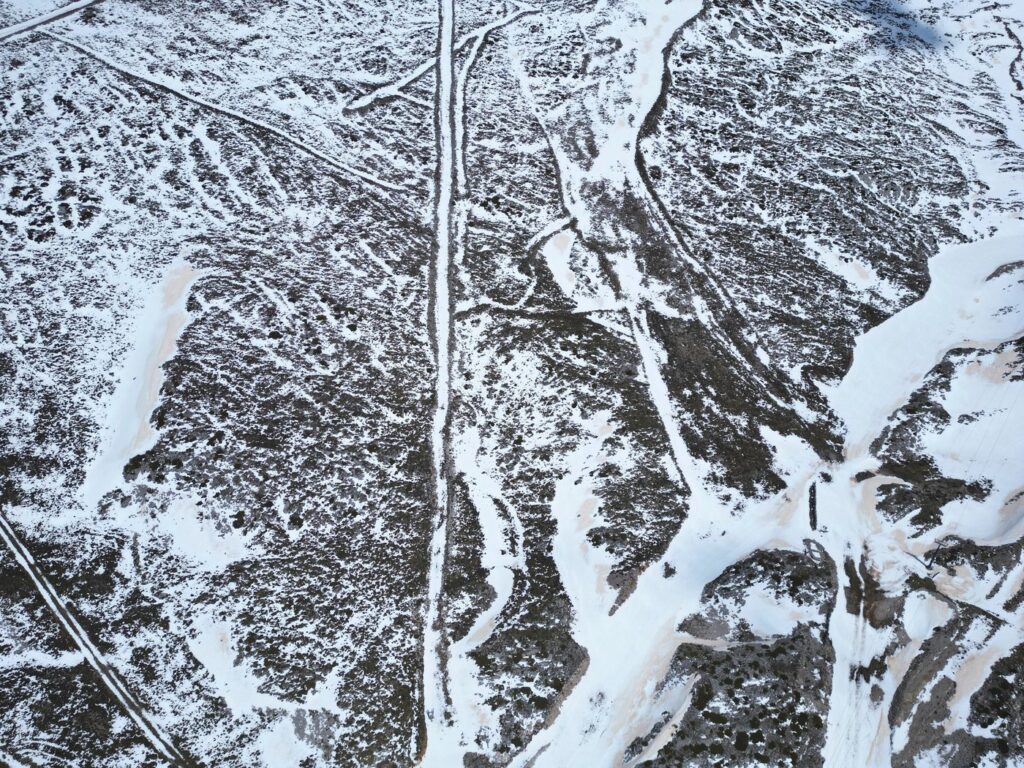
Recent research from the University of Cambridge's Scott Polar Research Institute corroborates Stathas' observations, revealing a troubling trend in Greece's mountainous regions. Konstantis Alexopoulos, a snow hydrologist and co-founder of the Hellenic Mountain Observatory, reports that over the last four decades, snow cover across ten of Greece's mountains has declined by more than half since the mid-1980s. This finding, based on 40 years of satellite images from NASA and the European Space Agency, underscores the impact of climate change on snowfall patterns.
Alexopoulos emphasizes the importance of snow as a natural water reservoir. He compares snowpack to a savings account that gradually releases water during dry periods, thus sustaining water supplies in the Mediterranean, where summer rainfall is minimal. The declining snow cover is largely attributed to rising temperatures linked to greenhouse gas emissions, which have significantly altered both snowfall amounts and the duration of snowpack on the ground.
This phenomenon is not merely a product of natural climate variability; according to Alexopoulos, the current rate of change in the Mediterranean region is unprecedented. While declining snow cover has been observed in other global mountain ranges, such as the Andes or the Himalayas, the rate of decline in Greece is particularly alarming.
The Arachova region is already facing the repercussions of diminished snowfall. Aktida Koritou, a local restaurant owner, states that the village relies entirely on snowmelt for its water supply. As a result, residents are acutely aware of water scarcity and are increasingly cautious about water usage, especially during the hotter summer months. Mayor Stathas highlights that water shortages become critical between late August and early October, causing concern for the community.
An unexpected snowfall in April provided a brief respite but was not sufficient to replenish local reservoirs. Adaptation measures are being explored, including the construction of small dams to minimize water loss, while the ski resort is implementing strategies to retain snow for a longer duration. However, the reduction in snow also raises the risk of wildfires due to drier vegetation, a stark contrast to the past when such threats were virtually nonexistent in this region.
The local economy, heavily reliant on winter tourism, is also feeling the effects of climate change. Koritou observes that ski seasons that once began in December now start in January, leading potential tourists to seek snow in other countries like Switzerland during the Christmas holidays. This shift has resulted in a noticeable decline in business, with some reports indicating a 30% reduction in customers for certain businesses during the last winter season.
To counteract these challenges, the municipality is promoting Arachova as a summer destination, emphasizing its cool climate and proximity to water activities. However, Stathas underscores that sustaining tourism, even in the summer, hinges on maintaining adequate water supplies.
Residents nostalgically remember the winters of the past—when farmers hurried to harvest grapes before the first snowfall and snow would linger on the mountains from one winter to the next. Koritou reflects on the profound disappointment felt by those who valued the snowy winters of yesteryear, noting a significant change in climatic patterns that affects their way of life.








