

MEXICO CITY (AP) - On Sunday, the Mexican army achieved a significant victory by killing Nemesio Oseguera Cervantes, also known as "El Mencho," the head of the Jalisco New Generation Cartel (CJNG) and one of the most wanted fugitives in the United States. This operation marked the most high-profile strike against drug cartels in Mexico since the recapture of Joaquín "El Chapo" Guzmán, the former leader of the Sinaloa cartel, a decade ago.
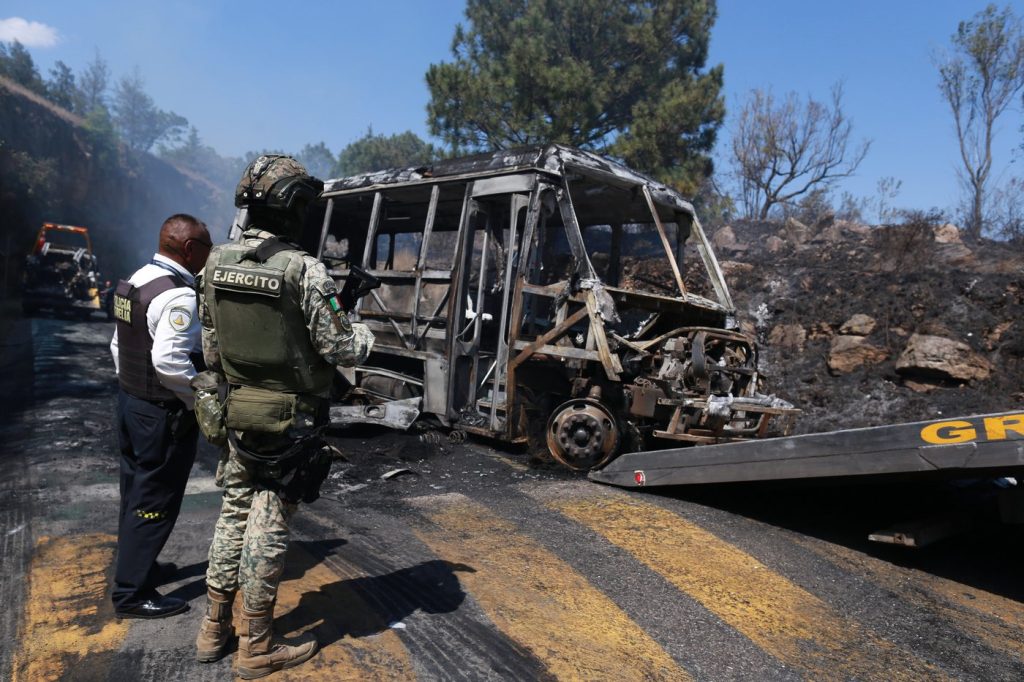
Following the death of Oseguera Cervantes, cartel members retaliated with a surge of violence across Mexico. Reports indicated that gunmen burned vehicles and blocked roads in 20 states, creating chaos and prompting residents in cities like Guadalajara, Jalisco's capital, to lock themselves indoors. Schools across several states canceled classes as security forces heightened their alert levels. Even Guatemala responded by reinforcing its border security with Mexico in anticipation of potential spillover violence.
The killing of "El Mencho" could benefit the Mexican government in its ongoing negotiations with the U.S., especially under the Trump administration, which had been pressuring Mexico to demonstrate effective results in combating drug cartels. The U.S. had been considering tariffs and unilateral military actions against Mexico unless improvements were observed.
Oseguera Cervantes, aged 59 and originally hailing from Michoacán, had deep ties to organized crime dating back over three decades. He was first tried for heroin trafficking in the U.S. in 1994, serving three years in prison before returning to Mexico, where he rapidly ascended through the drug trafficking hierarchy. Around 2009, he established the Jalisco New Generation Cartel, which quickly became known for its innovation in drug trafficking methods, as well as its brutal tactics involving drones and improvised explosive devices.
The cartel earned notoriety for its daring assaults on Mexican security forces, notably for downing a military helicopter in 2015 and attempting an audacious assassination of Mexico City Police Chief Omar García Harfuch in 2020.
The Mexican Defense Department reported that Oseguera Cervantes was killed during a military operation in southern Jalisco, which involved a coordinated effort by the Air Force and special forces. During the confrontation, four cartel members were killed, including Oseguera Cervantes, and three others were severely wounded. The military also managed to seize advanced weaponry, including rocket launchers capable of targeting aircraft.
Oseguera Cervantes faced multiple indictments in the United States, and the U.S. State Department had previously offered a $15 million reward for information leading to his capture. His cartel had been designated a foreign terrorist organization by the Trump administration a year prior to his death, emphasizing the importance of this operation in U.S.-Mexico relations.
Former DEA Chief of International Operations, Mike Vigil, remarked that Mexico had effectively communicated to the Trump administration its commitment to combating powerful cartels, attributing much of the operation's success to intelligence from Mexican forces.
The aftermath of Oseguera Cervantes' death leaves a significant power vacuum within the cartel. It remains unclear who will take his place, and whether that individual can maintain the cartel's dominance. The Jalisco cartel has a presence in at least 21 of Mexico's 32 states and operates actively in nearly all U.S. states. Vigil stated that while Oseguera Cervantes’ absence might initially weaken CJNG against its rivals, particularly the Sinaloa cartel, the potential for continued violence remains high.
Analysts warn that if Oseguera Cervantes' relatives seize control, the violence instigated following his death may continue unabated. Conversely, a new leadership could opt for a more restrained approach to operations. The greatest concern involves the possibility of the cartel resorting to extreme violence, akin to the narcoterrorism witnessed in Colombia during the 1990s, characterized by bombings, assassinations, and direct attacks on government entities.








