

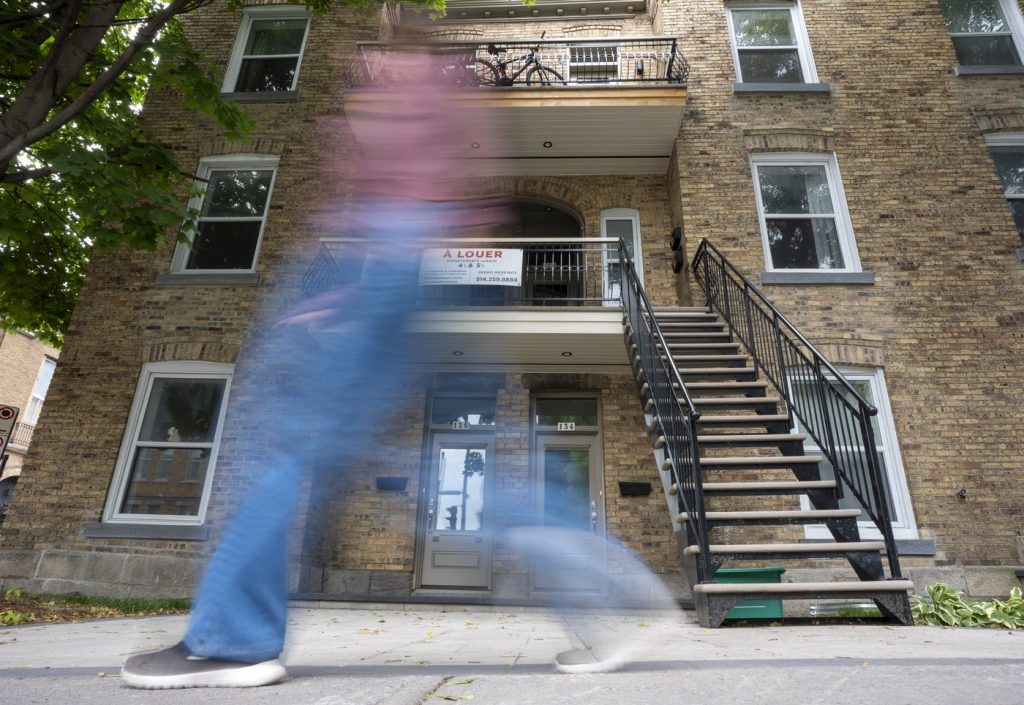
Asking rents across Canada have experienced a significant decline, marking the 17th consecutive month of year-over-year decreases as of February. The latest report from Rentals.ca and Urbanation indicates that the average asking rent has dropped to CAD $2,030, representing a 2.8 percent decrease compared to February 2025. On a month-over-month basis, rents decreased by 1.3 percent.
Specifically, asking rents for purpose-built apartments have seen a year-over-year reduction of 1.9 percent, maintaining an average of CAD $2,030. In contrast, rents for condominium apartments have witnessed a more substantial decrease of 5.1 percent year-over-year, with the current average standing at CAD $2,082. The report highlights differing trends across various provinces regarding the rental market.
When examining regional trends, Alberta reported the largest decline in average apartment rents, with a noteworthy drop of 4.4 percent. Following closely are Ontario at 4.3 percent, British Columbia at 4.2 percent, and Quebec at 2.7 percent. Meanwhile, there has been a rise in average apartment rental asks in Nova Scotia, Saskatchewan, and Manitoba, indicating localized market variations despite the national downward trend.
Nationally, the report indicates that average rents are now at their lowest level in 33 months, showing a notable decrease of 7.4 percent compared to two years ago. However, despite this decline, average asking rents remain 2.3 percent higher than they were three years prior, suggesting a complex landscape in the rental market.
Urbanation's president, Shaun Hildebrand, comments on the current state of the rental market, describing it as Canada’s largest downturn in rental prices in recent history. He attributes this trend to an influx of rental supply coupled with slowing demand, presenting "a rare opportunity for renters to take advantage of better affordability." This scenario reflects the shifting dynamics in the housing market, where renters may benefit from the current conditions.
These insights reveal the ongoing challenges facing the Canadian rental market, characterized by prolonged decreases in asking rents and shifting trends across provinces. The overall decline signifies changing economic conditions and housing demands, reshaping the landscape for both landlords and tenants across the nation.








