

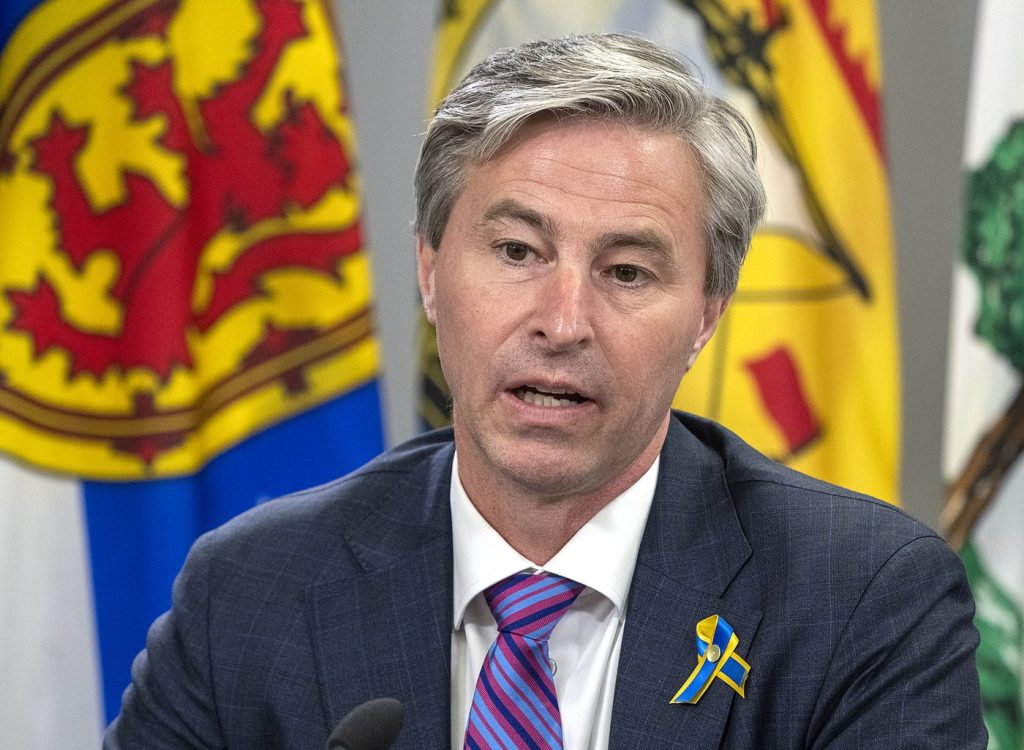
The Premier of Nova Scotia, Tim Houston, defended his government's decision to impose a ban on entering wooded areas during a dire emergency situation characterized by rampant wildfires. The ban, announced in August 2025, aimed to curtail further fire outbreaks, but a recent ruling from the Nova Scotia Supreme Court deemed the ban unreasonable due to insufficient consideration of charter rights affecting citizens' mobility.
Justice Jamie Campbell determined that the ban limited the citizens' right to freely move within Canada. This ruling highlights the importance of balancing public safety measures with individual rights, asserting that, while public safety is paramount, such actions must not infringe unjustly on fundamental rights.
In a statement after a cabinet meeting, Houston expressed respect for the court's decision but maintained that the urgency of the wildfire situation necessitated the ban. He remarked, “We always consider the rights of individuals... but we always look for ways to keep people safe.” He emphasized that public safety, particularly in the context of the wildfires exacerbated by drought conditions and stretched firefighting resources, guided his government's actions.
The imposition of the ban carried heavy consequences, including fines surpassing $28,000 for violators. A permit system was established to allow commercial users to access the woods; however, Justice Campbell criticized the government's lack of consideration for non-commercial users of these areas, highlighting a significant oversight in the decision-making process.
According to Campbell's ruling, the broad scope of the ban not only affected traditional wooded areas but also encompassed a variety of landscapes, including rock barrens and marshes, potentially limiting access to about 85% of the province's land. The ruling was brought forth by Jeffrey Evely, who challenged the ban after receiving a fine for entering the woods near Sydney and subsequently sharing a video of his actions on social media. His case was supported by the Justice Centre for Constitutional Freedoms (JCCF), which argued the rights of everyday Nova Scotians were neglected in favor of commercial interests.
JCCF lawyer Marty Moore emphasized the ban's overreach and the absence of constitutional considerations for the general public who use the woods for recreation and enjoyment. He stated, “We know that they were considering the rights of the forestry industry, but when it came to the rights of Nova Scotians who utilize the woods... that was completely overlooked.” This sentiment underscores the necessity for authorities to ensure that emergency measures do not disproportionately impact the rights of the citizenry.
In light of the ruling, Premier Houston indicated that there are no current plans to appeal the court's decision, acknowledging a need for reflection on how such emergencies are handled in the future. This case casts a spotlight on the challenging balance between public safety and the protection of individual rights during times of crisis.








