

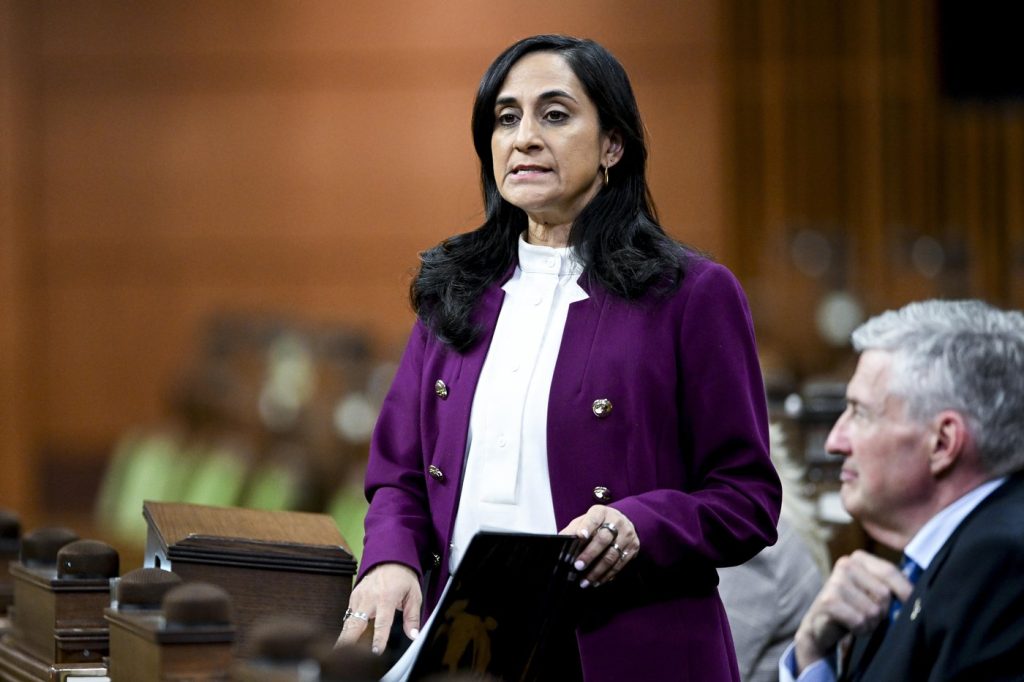
In the latest political developments in Canada, opposition parties are demanding clarity from the government regarding its stance on the ongoing U.S.-Israel war concerning Iran. During a debate held in the House of Commons on March 9, 2026, Foreign Affairs Minister Anita Anand represented the government in the absence of Prime Minister Mark Carney. Anand condemned attacks on civilians and civilian infrastructure, emphasizing the necessity of adhering to international law by all involved parties. She stated, "The focus must be on rapid de-escalation," underscoring that the government's primary concern is ensuring the safety of Canadians located abroad.
Additionally, Anand disclosed that Canada was not consulted prior to the recent military strikes undertaken by the United States and Israel, confirming that the government has "no intention of joining them." This stance has prompted further questioning from opposition members, who seek a comprehensive understanding of the government's position on this significant international conflict.
In another major development, TikTok has been allowed to continue its operations in Canada following a national security review conducted by the government. Industry Minister Mélanie Joly announced that the company's continued presence is contingent upon meeting key conditions, which include the implementation of stronger protections for minors and the safeguarding of personal information of Canadian citizens. This decision marks a reversal of a prior order issued in 2024, which had mandated the closure of TikTok's offices in Canada due to pressing national security concerns. The Minister emphasized that this move would also preserve jobs by ensuring a physical presence for TikTok within the country.
In legal news, the sexual assault trial of Canadian auto parts mogul Frank Stronach is underway, with the defense planning to call additional witnesses. The trial began with the defense presenting its case on March 9, where they introduced several individuals, including the businessman’s former driver, Glenn Anderson. Anderson testified about his decade-long experience driving Stronach to various work-related events in the 1980s and characterized Stronach as not being particularly interested in cars, only owning Cadillacs.
On the healthcare front, recent changes to the registration process have led to a significant rise in the number of U.S. nurses seeking credentialing in British Columbia. Between April 2025 and January 2026, the BC College of Nurses and Midwives has registered 1,028 U.S. nurses, indicating a potential tenfold increase compared to previous years. In 2023, there were only 112 approvals, with 127 in 2024. The college has not yet tracked how many of these nurses have relocated to Canada, as some complete their registration before actively looking for employment. To complement this trend, the province initiated a $5-million advertising campaign last summer, targeting healthcare professionals in Washington, Oregon, and California near medical facilities.
Furthermore, a report from the Pembina Institute highlights that any negotiations between the Alberta and federal governments regarding electricity emissions policy should prioritize the removal of barriers hindering renewable energy development. The report notes the need for Alberta's plan to achieve a net-zero grid by 2050, criticizing its reliance on high-cost technologies like carbon capture and storage and small modular nuclear reactors. Senior analyst Will Noel advocates a shift towards more accessible options like solar and wind power to deliver quicker, cost-effective solutions, cautioning that Alberta’s recent policy changes may deter investments in renewable technologies.
Lastly, in the realm of technology and government services, Bell Canada has announced a partnership with the Quebec-based software company Coveo Solutions Inc. to modernize governmental services through artificial intelligence. The initiative aims to integrate Coveo's AI-Relevance platform into Bell's AI Fabric offerings, enhancing digital services for federal and provincial governments as well as regulated industries. This collaboration is intended to modernize citizen services, improve workforce productivity, and ensure that all sensitive information, data, and AI operations remain within Canada. Coveo has previously entered into a memorandum of understanding with the federal government to facilitate the modernization of public services with its cutting-edge AI technology.








