

SALT LAKE CITY (AP) — For over a century, Utah has maintained strict prohibitions against gambling, prohibiting all forms of gambling including casinos, lotteries, and racetracks. This longstanding ban is rooted in the conservative values of The Church of Jesus Christ of Latter-day Saints, which considers gambling to be a vice that contributes to selfishness and addiction.
Utah is now facing a complex battle against emerging forms of gambling known as prediction markets, exemplified by companies like Kalshi and Polymarket. These platforms allow users to place bets on various future events—from weather predictions in Los Angeles to geopolitical outcomes. While other states are still contemplating the regulatory framework surrounding these markets, Utah has already moved decisively against them.
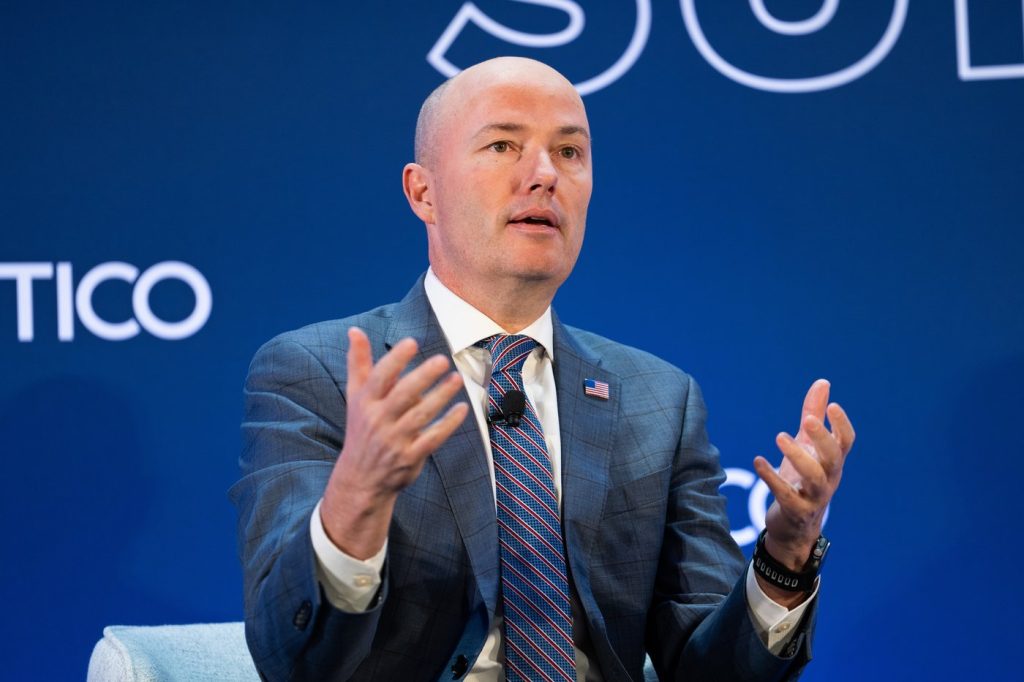
Governor Spencer Cox expressed his disapproval, stating, "We are putting a casino in the pocket of every single American, and they are targeting especially young people." He plans to sign legislation that expands Utah's gambling ban to include proposition betting in sports, which is a significant revenue stream for companies like Kalshi and Polymarket. This move puts Utah at odds with the federal government, as these prediction markets are currently backed by the Commodity Futures Trading Commission (CFTC).
The conflict positions Utah—typically not known for being confrontational—on the front lines of a cultural and political debate. At stake is whether states can effectively regulate gambling or if these activities will be classified under financial markets and overseen by Congress. Todd Phillips, a Georgia State University professor, noted, "What’s at stake here is whether states will be able to regulate gambling or if gambling is going to be subsumed into finance."
The proposed legislation directly targets proposition betting in sports, which involves wagers on specific performance metrics—like how well a player will perform—rather than the outcome of the game itself. This includes attempts to curb the activities of major sportsbook operators like FanDuel and DraftKings that might circumvent existing gambling restrictions through prediction markets.
Kalshi has preemptively filed a lawsuit against the state, arguing that its prediction markets differ fundamentally from traditional sportsbooks, as participants bet against each other rather than against a "house." The CFTC, under the previous Trump administration, has sided with Kalshi and affirmed its regulatory authority over prediction markets, indicating that states shouldn't impose bans based solely on moral objections.
This situation represents a clash of values. In a state where approximately half of the 3.5 million residents are Latter-day Saints, gambling is seen not only as a legal issue but a moral one. The state has a history of stringent gambling laws, having prohibited betting since its admission to the Union in 1895, alongside Hawaii, which has equally strict gambling laws.
Evolving on both state and federal levels, politicians from Utah are now pushing for legislation that would impose stricter controls on prediction markets nationwide. Republican Representative Blake Moore of Utah, alongside California Democrat Salud Carbajal, has proposed a bill that would regulate prediction markets more heavily and could allow states to ban betting on sports-related activities.
Kalshi argues for the economic utility of its products, suggesting that businesses can use prediction markets for risk management, but lawmakers like Moore reject these assertions, maintaining that Utah's economic health does not require the embrace of such markets.
This conflict could serve as a precedent, shaping how states across the country deal with the growing phenomenon of prediction markets and gambling more broadly, amid shifting social attitudes and political landscapes.








