

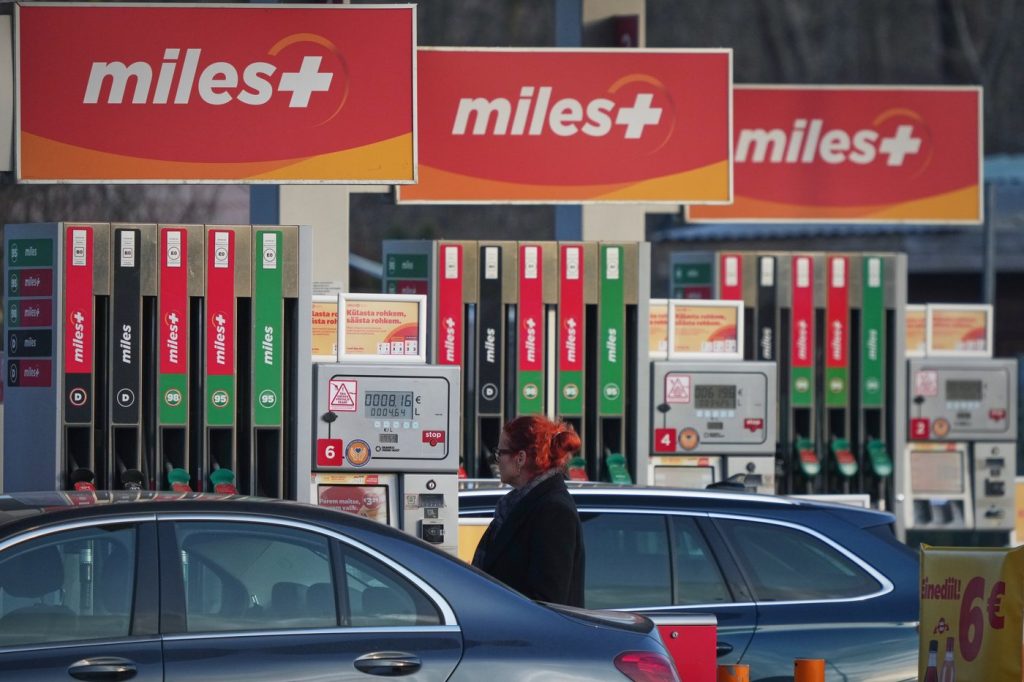
The price of Brent crude oil, the international benchmark, surged back above $100 per barrel due to escalating tensions in the region, particularly following Iranian strikes on vessels and the ongoing conflict involving the United States, Israel, and Iran. This development comes as the military engagements seem to show no signs of abating.
On Thursday, significant events unfolded, including Iranian attacks on commercial vessels in the Strait of Hormuz and at Iraq's port of Basra. These assaults reflect Iran's attempt to exert pressure on the oil-rich Gulf region amid rising global energy concerns. The U.S. initiated airstrikes against Iran are now in their 13th day, adding to the volatility of the oil market.
In addition to U.S. operations, the Israeli military is actively striking targets related to Iran and its ally Hezbollah in Lebanon, where over 800,000 people have been displaced due to the ongoing confrontations.
Israel's military reported efforts to intercept a missile launch from Iran early Thursday morning, marking the third such announcement within the day. This uptick in missile activity has sent residents across various regions of Israel, from the southern tip to Jerusalem, Tel Aviv, and the northern border with Lebanon, rushing for shelter. Sirens were also activated in anticipation of drone and rocket attacks from Hezbollah.
Kuwait’s Defense Ministry reported that an Iranian drone crashed into a residential building in the country, resulting in injuries to two individuals. The ramifications of these assaults extend beyond the immediate area, as a container ship off the coast of Dubai in the Persian Gulf was attacked early Thursday, leading to a small fire on board. The attack, described by the British military’s United Kingdom Maritime Trade Operations center, was attributed to an "unknown projectile" but resulted in no casualties among the crew.
As a result of these escalating tensions, the price for a barrel of Brent crude oil surpassed $100 for the first time early Thursday, just after experiencing a spike near $120 in the days prior. Oil prices climbed over 9% as concerns about supply disruptions intensified due to Iranian attacks on commercial shipping routes. Concurrently, U.S. benchmark crude oil rose to around $95 per barrel.
The situation in Iraq worsened after an attack on Basra port early Thursday, which resulted in at least one fatality and forced officials to shut down all oil terminal operations. According to Farhan al-Fartousi, the director-general of the General Company for Ports of Iraq, the incident targeted ships in the transfer area of the port. While it remains unclear whether the attack involved a drone or missile, rescue operations managed to recover one deceased individual and aid 38 others affected by the strike. Although oil terminals have been closed, commercial ports in Iraq continue to remain operational.
This recent flurry of military actions and their consequences highlight the precarious state of security in the region and their immediate impact on global oil supply. The ongoing conflict and targeted assaults not only threaten the stability of local economies but also have far-reaching implications for energy markets worldwide.








