

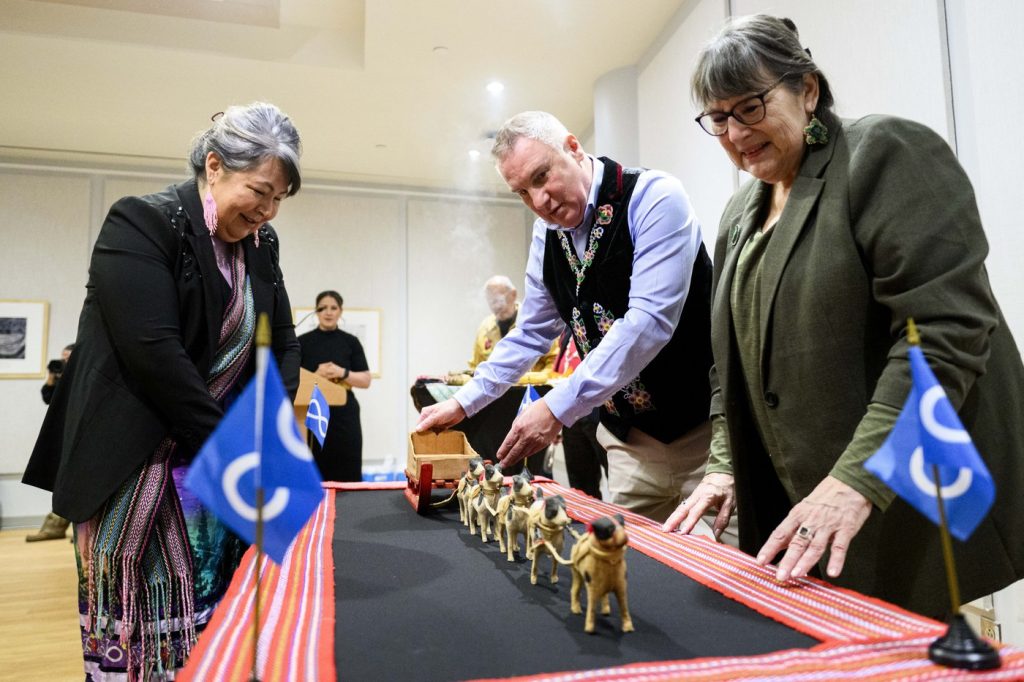
OTTAWA In a significant development for Métis governance, the Métis National Council has entered into an agreement with the Northwest Territory Métis Nation aimed at enhancing cooperation between the two organizations. This partnership is designed to promote and advance Métis interests at the federal level, potentially increasing the impact and representation of the Northwest Territory Métis Nation within the Métis National Council.
If this collaboration proves effective, it could pave the way for the Northwest Territory Métis Nation to achieve permanent membership within the Métis National Council. This move comes after a prolonged period of instability and controversy within the national governing body of the Métis people, particularly following the withdrawal of three provincial Métis governments.
Métis governments in British Columbia, Saskatchewan, and Manitoba have distanced themselves from the Métis National Council, voicing concerns over the Council's failure to adequately support their respective causes. They have also criticized the Council for permitting a wider interpretation of Métis identity, which they feel undermines the cultural and political integrity of the Métis communities. This backdrop of tension has made the need for strengthened collaboration and advocacy even more pertinent.
Victoria Pruden, president of the Métis National Council, emphasized that the newly signed agreement is indicative of a collective dedication to fortifying partnerships among Métis governments. She stated that the objectives of this partnership include advancing Métis rights and interests within the political landscape of Ottawa. This collaboration is seen as a crucial step towards ensuring that the voices of Métis people are heard more clearly in federal discussions and policies.
On the other hand, Garry Bailey, president of the Northwest Territory Métis Nation, highlighted the significance of this partnership for his community. He expressed optimism that the alliance would lead to a more amplified advocacy effort, which would contribute to securing better programs and services for Métis individuals residing in the Northwest Territories. The partnership is expected to enhance the visibility and representation of the Northwest Territory Métis Nation's needs and challenges at the national level.
This report marks a noteworthy point in the ongoing evolution of Métis governance, reflecting both the challenges faced by the Métis National Council and the potential for revitalized collaboration among Métis communities across Canada. The emphasis on cooperation is critical, especially in light of the previous discontent that led to significant withdrawals from the council. As the Métis National Council seeks to rebuild trust and reinforce its foundational mission, securing strong partnerships with other Métis governments will be essential in promoting the interests and rights of Métis people across the country.
Overall, the agreement signifies a hopeful chapter in Métis governance, where unity and collaboration among different Métis nations can lead to not just improved representation but also meaningful advancements in the rights and services available to Métis communities. This development highlights the importance of collective advocacy and shared goals in achieving a brighter future for Métis peoples in Canada.








