

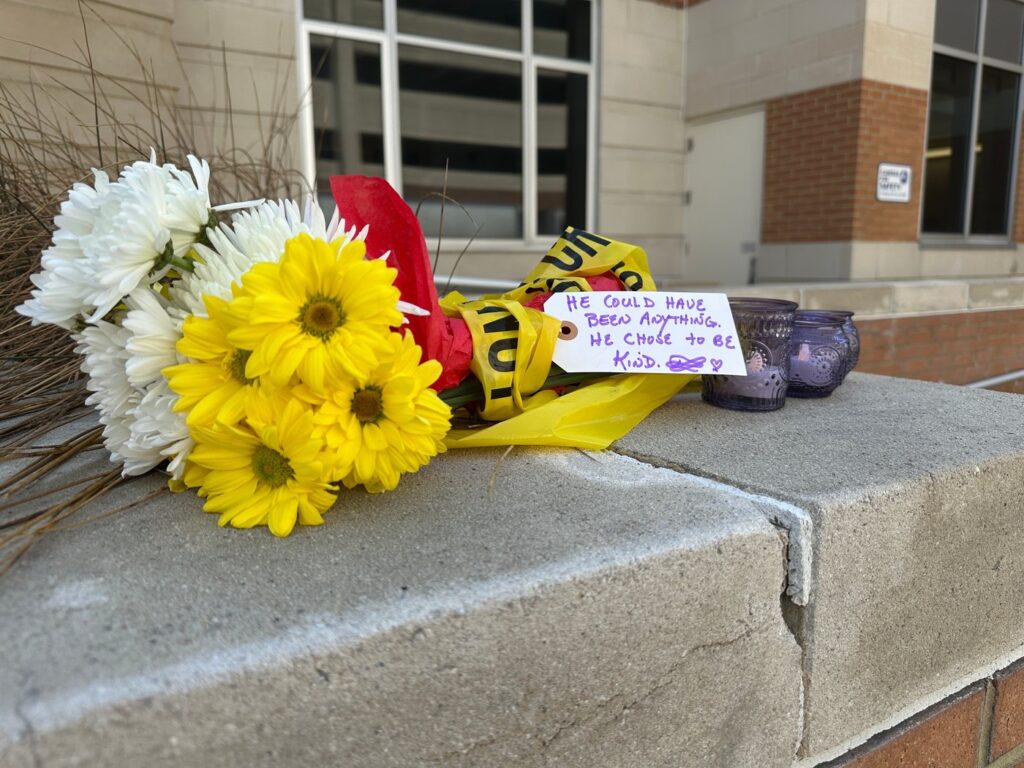
Communities across the United States are grappling with the aftermath of two violent attacks that occurred less than two hours apart on March 13, 2026, at a Michigan synagogue and Virginia university. Officials noted that intervention from residents prevented what could have been more catastrophic violence.
In Virginia, the incident unfolded at Old Dominion University, where a former Army National Guard member, Mohamed Bailor Jalloh, opened fire in a classroom, resulting in the death of Lt. Col. Brandon Shah, an ROTC leader, and injuring two others. According to reports, Jalloh, who had previously served time for attempting to aid the Islamic State, shouted “Allahu akbar” as he began firing. It was the quick actions of ROTC students that ultimately subdued and killed him, preventing further casualties. Those wounded have since received medical treatment; one has been discharged, while the other remains hospitalized in fair condition.
The FBI is treating the Old Dominion University shooting as an act of terrorism, with FBI Director Kash Patel publicly making this assertion on social media. Jalloh, a naturalized citizen from Sierra Leone, had been previously sentenced to 11 years in prison in 2017 for supporting a foreign terrorist organization. After completing a drug treatment program, he was released early, although it remains unclear how he qualified for such a program as terrorism-related offenders typically face restrictions on such benefits. He was released from federal custody in late 2024 and was enrolled in online classes at the university at the time of the attack.
Meanwhile, in Michigan, Ayman Mohammad Ghazali, aged 41, orchestrated a violent attack on Temple Israel, a Reform synagogue located near Detroit. Prior to the attack, he waited in his car with a rifle, fireworks, and containers of liquid that appeared to be gasoline. After crashing into the synagogue, which was filled with approximately 140 children and staff members, Ghazali began firing his weapon before an armed security officer returned fire. Ultimately, Ghazali took his own life after becoming trapped in his vehicle, which subsequently caught fire. Officials have categorized this act as violence targeting the Jewish community, but the FBI is still collecting evidence to determine if it will escalate to a terrorism designation.
Ghazali, who had recently lost four family members—including two brothers and two children—in an Israeli airstrike in Lebanon, entered the U.S. in 2011 through a visa as the spouse of a U.S. citizen. He gained U.S. citizenship in 2016. The tragedy of the loss of his relatives was reportedly a catalyst for his violent actions. The Israeli military has intensified operations against Iranian-backed militants in Lebanon, which has contributed to an increase in tensions and violence in the region.
Both attacks highlight a troubling pattern of violence and mental health crises influenced by broader geopolitical issues. The response from local law enforcement and community members in preventing further harm demonstrates the critical nature of rapid intervention and preparedness in the face of such incidents.








