

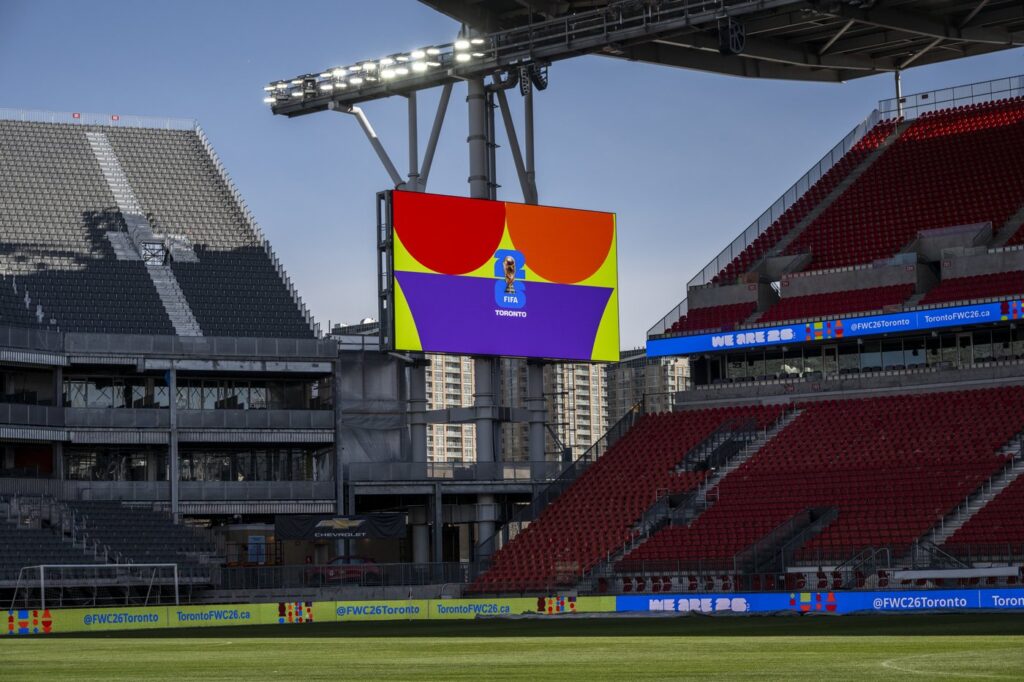
TORONTO – FIFA's resale marketplace for World Cup tickets has recently excluded listings for matches taking place in Toronto due to a newly implemented price cap legislation. This Ontario law prohibits the resale of event tickets for more than their original face value, a regulation that aims to protect consumers from inflated prices on the secondary market.
Following the enactment of this legislation on April 28, 2026, FIFA announced that its resale platform is undergoing reconfiguration to align with the new regulations. Although tickets for Toronto's World Cup matches have not been permanently removed from the system, they are currently in a state of limbo. FIFA expects these listings to be relisted once the necessary system updates are fully completed.
While FIFA’s marketplace has effectively ceased offering tickets for matches in Toronto, it continues to provide listings for World Cup games in all other participating host cities. This discrepancy highlights the unique challenges posed by the newly installed price cap in Ontario.
Contrastingly, StubHub, a popular resale platform, continues to list tickets at prices above the original face value for World Cup matches in Toronto. A spokesperson for StubHub, Jack Sterne, indicated that the company has engaged in discussions with the provincial authorities and still has several outstanding questions regarding compliance with the new law. However, he assured that StubHub is committed to updating its systems in order to adhere to the legislative requirements.
The situation illustrates the complexities involved in ticket resale practices, particularly in a major event like the FIFA World Cup, where demand for tickets can often exceed the available supply. As FIFA and StubHub navigate the legal landscape, ticket buyers in Toronto are left waiting for clarity on how they can legitimately purchase tickets for the anticipated matches.
As the FIFA World Cup 2026 draws closer, with Toronto set to host a total of six matches, the outcomes of the ongoing adjustments to resale practices will be critical in ensuring that fans have access to tickets without falling prey to price gouging. As the legislative landscape evolves, both FIFA and StubHub will need to continue to engage with local authorities to find viable solutions that meet the expectations of fans and the requirements of the law.
The discourse surrounding ticket resale in Toronto serves as a crucial case study for other regions contemplating similar regulations, balancing consumer rights against the realities of a competitive secondary market. With the eyes of the world on Toronto, how well these adjustments will succeed in protecting fans remains to be seen.








