

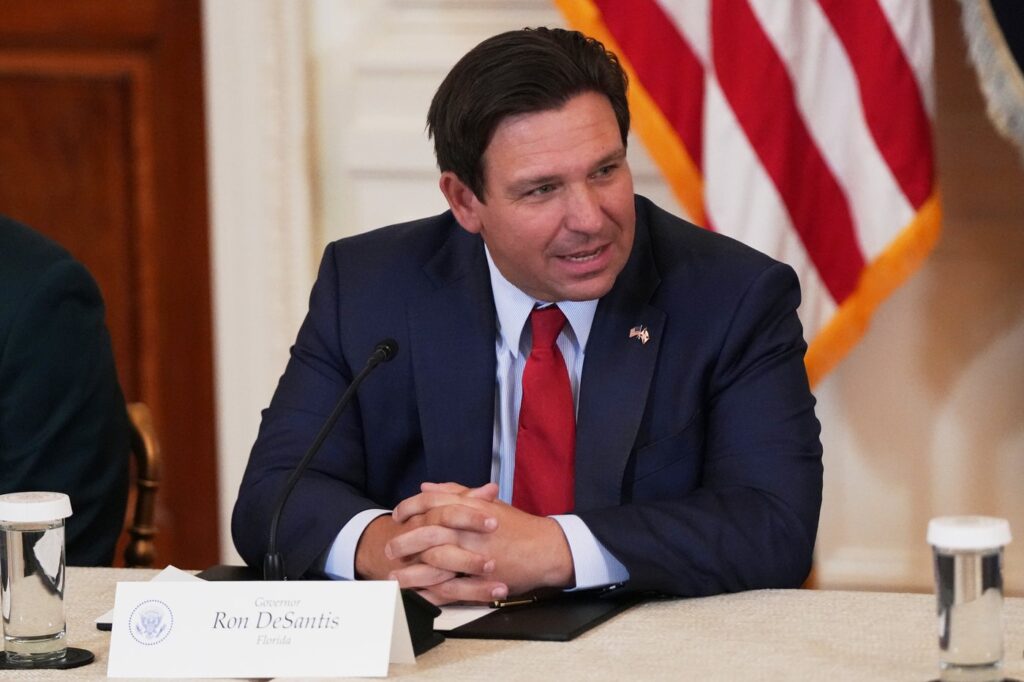
TALLAHASSEE, Fla. — Ron DeSantis, once considered a leading figure in the Republican Party and a two-term governor of Florida, is navigating a complicated political landscape after his presidential campaign faltered against Donald Trump. Following the end of his bid for the presidency and his endorsement of Trump, DeSantis is now making a push to reshape Florida's congressional map as the state prepares for the upcoming midterm elections.
His proposal aims to facilitate Republican gains by redrawing district lines to secure four additional seats, challenging the recent results of a referendum in Virginia that might have benefited Democrats. DeSantis's actions come at a crucial time, as his second term nears its conclusion. Politically, this special legislative session provides a platform for DeSantis to demonstrate his leadership potential within the Republican Party.
However, DeSantis faces risks as some party members express concerns that his proposed map could inadvertently aid Democrats. His agenda also includes increasing regulation on artificial intelligence, as well as relaxing vaccine mandates, both of which have encountered resistance in the state legislature in the past. Trump, barred by the Constitution from pursuing a third presidential term in 2028, may still complicate DeSantis's path amid speculation over potential rivals like Vice President JD Vance or Secretary of State Marco Rubio in a Republican primary.
DeSantis has adopted a proactive stance, responding aggressively to Democratic critiques. When House Minority Leader Hakeem Jeffries challenged Florida Republicans over their impending special session, DeSantis retorted by inviting him to Florida with plans for a fishing trip and promising to facilitate his campaign efforts.
The new congressional map that DeSantis introduced intends to adjust district boundaries in Democratic strongholds surrounding Orlando and Tampa Bay, concentrating Democratic voters into a smaller number of districts in South Florida. Currently, the state has a Republican advantage of 20 to 8, which DeSantis hopes to expand to 24 to 4 with his proposed changes.
The call for a special legislative session was announced in January, driven by Trump's urging for Republican-controlled states to reassess their congressional setups. As redistricting becomes a tactical battleground for both parties ahead of the midterms, the outcomes remain uncertain. Political analysts warn that if Florida creates more majority-Republican districts without sufficient safeguards, it risks diluting Republican advantages and providing Democrats with better opportunities to win seats.
Political consultant Karl Rove emphasized that overly aggressive strategies could backfire, potentially leading to a loss of Republican seats. Supporters of DeSantis, like lobbyist Brian Ballard, highlight that he successfully engineered the current district map that expanded Republican dominance and believe his experience will play a crucial role in the pending changes.
Despite the prevailing challenges, DeSantis will need to carefully navigate his relationships with state lawmakers, especially as the House and Senate leadership have exhibited hesitance toward independently crafting redistricting proposals. House Speaker Daniel Perez and Senate President Ben Albritton have consistently indicated they will only react to DeSantis's proposals, suggesting a cautious approach to legislative discussions.
Beyond redistricting, DeSantis is advocating for regulations surrounding artificial intelligence aimed at protecting children and new exemptions concerning vaccine requirements for public school students. These legislative initiatives could pit him against Trump, who seeks a federal approach to AI regulation. The lack of progress on previous versions of these proposals in the state House reflects deeper engrained skepticism about their acceptance.
The political landscape surrounding DeSantis remains closely monitored by the White House, especially given his complicated history with Trump. Past tensions saw Trump refer to DeSantis pejoratively during their presidential race, although their relationship has experienced some healing since DeSantis's campaign exit. Nevertheless, tensions linger, particularly due to past disputes with Trump’s chief of staff and others close to the former president.
As DeSantis embarks on this latest legislative push, the eyes of the political community are keenly focused on how these moves will influence his standing within the party and his potential future aspirations amidst the ongoing influence of Donald Trump.








