

Rescue operations are ongoing in Kabul, Afghanistan, as emergency crews tirelessly work to recover bodies from the debris of a drug rehabilitation hospital that was struck by a Pakistani airstrike. The incident occurred late Monday, March 16, 2026, and authorities have reported that the attack resulted in the tragic deaths of hundreds of individuals at the facility. The airstrike highlights the persistent conflict in the region and its devastating impact on civilian populations.
The site of the airstrike, located in the Afghan capital, has become a focal point for both residents and rescue workers who are inspecting the destruction left in the wake of the attack. Photos depict the chaotic and heartbreaking scenes unfolding at the hospital, as families mourn their losses and search for survivors amid the rubble. Various rescue teams, including those affiliated with the Taliban, are actively participating in the recovery efforts, emphasizing the urgent need for support and assistance in the area.
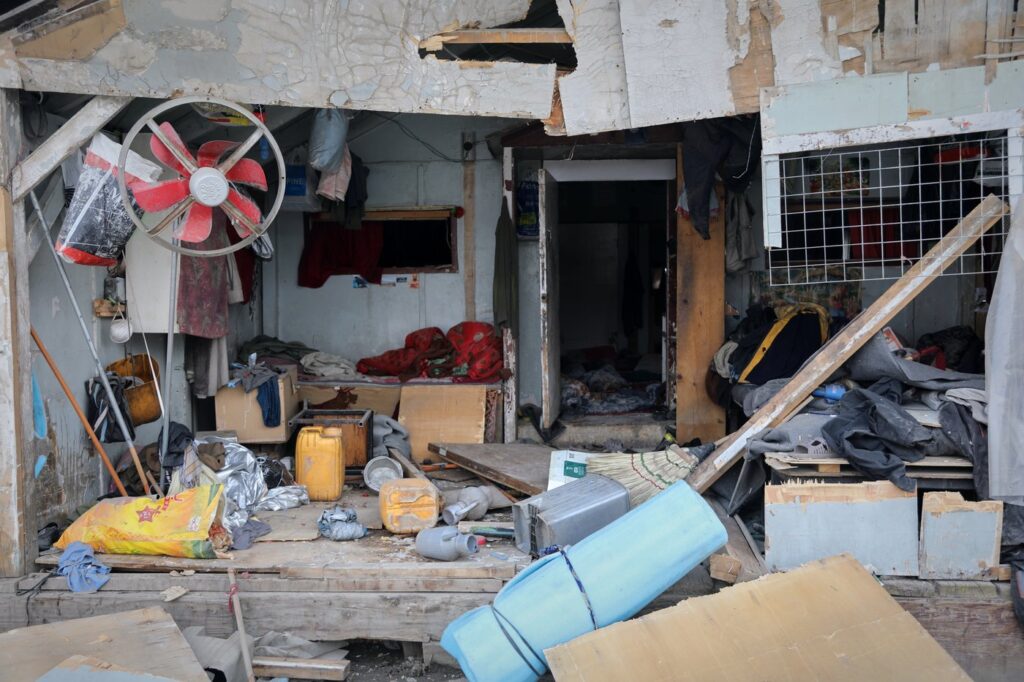
Images from the scene showcase the extent of the damage, with one photograph revealing a damaged room in the facility where countless lives were affected. Additionally, rescuers and local residents are seen working together to navigate through the debris, while some victims' bodies lie tragically entangled in the wreckage. This heartbreaking reality starkly contrasts the serene rehabilitation services that were presumably intended for recovery and healing.
Witnesses recount the harrowing moments during the airstrike, with a woman and a little girl among those who observed the rescue effort unfold. The presence of ambulances indicates that survivors are being attended to, illustrating the immediate challenges following such a devastating event. Meanwhile, Taliban rescue team member Allah Mohammad Farooq has been spotted inspecting the remnants of the hospital, further highlighting the range of individuals and groups involved in this critical response.
The tragedy of the airstrike not only raises urgent questions regarding the safety of civilian institutions but also emphasizes the urgent humanitarian needs following violent conflicts. As the rescue efforts continue, the full scope of the impact from the airstrike becomes clearer, with the number of casualties potentially underestimated in the initial reports. Local volunteers and residents are also stepping in to assist with the inspections, demonstrating the community's resilience and solidarity in the face of tragedy.
This incident serves as a stark reminder of the complexities of the ongoing conflict in Afghanistan, as well as the profound toll it takes on individuals seeking refuge and support in rehabilitation facilities. While rescue crews are hard at work to recover bodies and provide medical assistance to the injured, the emotional scars and long-term consequences of such an event will likely linger long after the immediate aftermath is addressed. The need for peace and stability in the region has never been more urgent, as communities struggle to rebuild in the wake of violence and loss.








