

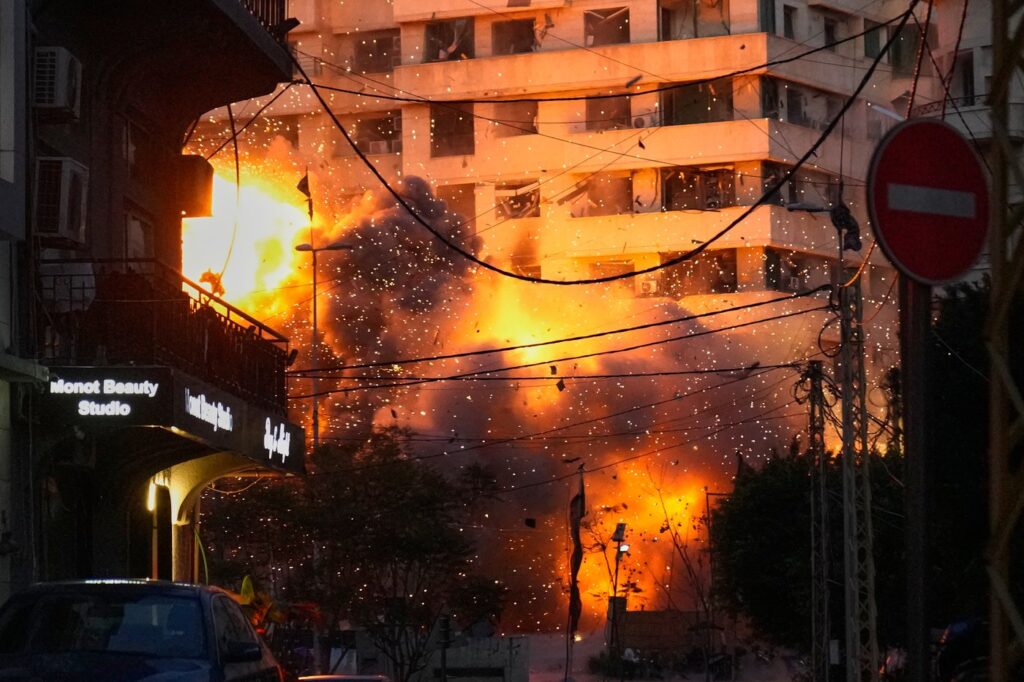
The ongoing conflict involving U.S. President Donald Trump, Iran, and Qatar escalated recently when Trump threatened to "massively blow up" Iran's South Pars natural gas field if Iran launched further attacks on Qatar. This statement followed Iranian missile strikes on Qatar, which were described as retaliation for an earlier Israeli attack on the South Pars field on March 18, 2026. The South Pars field, shared between Iran and Qatar, is crucial to both nations' energy markets.
The military clashes between Israel and Iranian forces have significantly affected global energy markets, leading to a surge in oil prices and increased costs for gasoline and other goods. Trump's social media post claimed that the U.S. had "no knowledge" of Iran's missile attack on Qatar, despite reports indicating that U.S. officials were aware of Israel's strike plans but did not participate.
In the wake of the attacks, Qatari authorities reported that a ballistic missile hit a key natural gas site, sparking widespread fire and extensive damage. Consequently, Qatar declared some Iranian Embassy officials as persona non grata, demanding their departure within 24 hours due to the aggression from Iran. The ongoing war has prompted Iran to target energy facilities across its Persian Gulf neighbors, including attacks on Qatari, Saudi, and Emirati infrastructures.
On the evening of March 18, 2026, Australia condemned Iran’s "reckless" reprisals against civilian and energy infrastructure, mirroring sentiments expressed in a summit of Gulf Arab nations that called for an immediate cessation of Iranian attacks. Participants at the summit condemned these attacks using ballistic missiles and drones, emphasizing that they cannot be justified under any circumstances. The collective response reflects mounting regional tensions and deepening distrust towards Iran.
Recent developments included satellite images depicting damage to the Al Dhafra Air Base in the UAE, and an incident where a projectile struck a vessel off the Qatari coast. The UK Maritime Trade Operations reported that the ship's crew was safe, but it remains unclear whether the projectile was a deliberate attack or debris from Qatari missile interceptions aimed at incoming Iranian missiles.
South Pars, Iran's major natural gas field that supplies 80% of the country's gas, remains vital for Iran's energy exports and domestic power generation. The U.S. has stated that any attacks on Qatari liquefied natural gas sites would merit a strong military response, signifying the escalating stakes surrounding energy infrastructure in the region.
Reports from the region indicated that Iranian drone attacks prompted emergency alerts in Dubai and missile interceptions in Kuwait. Analysts noted that this series of engagements represents a clear expansion of hostilities in the ongoing conflict, suggesting that the current situation may have long-lasting implications on both local populations and global energy markets.
The Soufan Center, a New York-based think tank, remarked that Israel's strikes specifically targeted facilities crucial for Iranian domestic stability, indicating a strategy aimed at exacerbating the socioeconomic pressures faced by Iranian civilians. Moreover, this strategy could be an effort to foster anti-regime sentiment within Iran, complicating diplomatic resolutions moving forward.
The conflict continues to draw international condemnation. Egypt condemned attacks on Gulf energy infrastructures, labeling them as violations of international law. As the chain of attacks and counterattacks unfolds, regional stability appears increasingly tenuous, with significant ramifications for energy supplies worldwide.








