

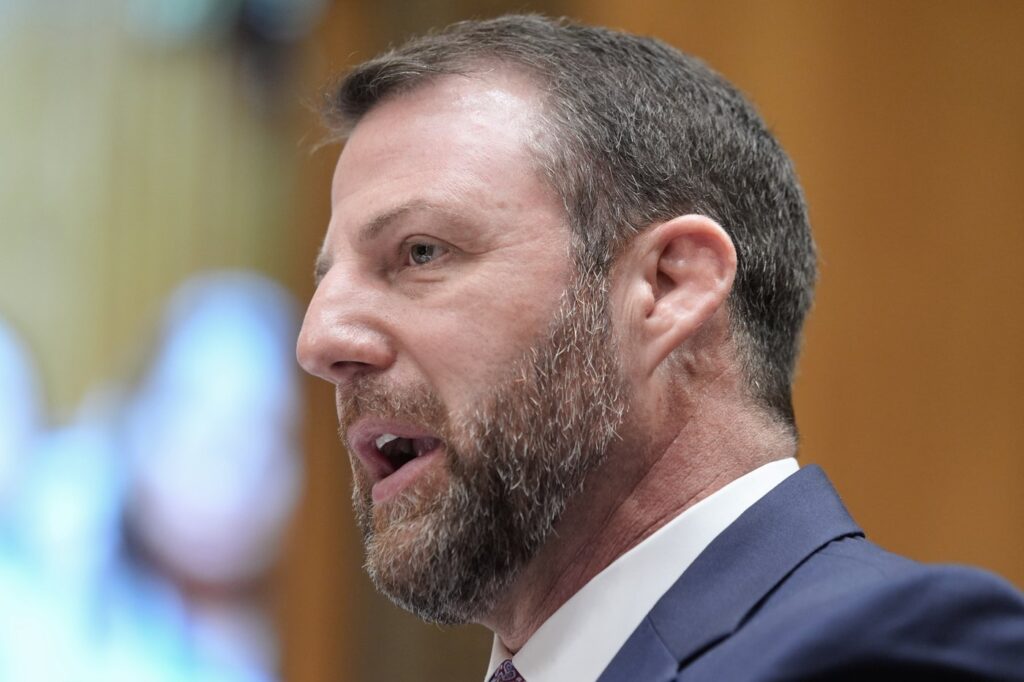
President Donald Trump’s nomination of Markwayne Mullin to lead the Department of Homeland Security (DHS) has elicited cautious optimism regarding the future direction of the Federal Emergency Management Agency (FEMA). During his Senate confirmation hearing on March 18, 2026, Mullin expressed a commitment to a more cooperative and effective approach to federal emergency management, directly opposing the controversial idea of dismantling FEMA, which has been floated by Trump in the past.
Mullin's comments suggest a potential departure from the previous administration’s tumultuous stewardship of FEMA under former Secretary Kristi Noem. After months of upheaval, including staff reductions and program cuts, FEMA’s future stability is tenuous. Mullin highlighted the agency's vital mission, stating, “It’s got a great mission, and I think people at FEMA want to do their job.” He emphasized the need for reforms to improve efficiency, commitment to faster payments to disaster-struck communities, and greater attention to rural areas.
Much of Mullin's approach draws on a philosophy that disaster response should be locally led, with FEMA functioning as a support entity. He acknowledged the existing frustrations that come with lengthy reimbursement processes, stating, “Taking years to get reimbursed is not acceptable.” With regard to specific policies, Mullin indicated that he would revoke a directive from Noem requiring her personal approval for expenditures exceeding $100,000, a rule critics argued hindered timely disaster response.
Mullin also made it clear that he values collaboration with lawmakers, recognizing that meaningful reforms to FEMA require legislative input. He expressed his intent to foster a positive relationship with Congress, stating, “I’m pretty sure that you guys set the policies and mission for FEMA, so for any serious changes, it may take actually policy changes.” Many experts note the need for legislative adjustments to facilitate significant changes in FEMA’s operational framework.
Despite the hopeful rhetoric, some stakeholders are cautious, calling for accountability to see if Mullin's stated intentions translate into action. Amanda Devecka-Renear, executive director of the New Jersey Organizing Project, emphasized the need for tangible results, stating, “Disaster survivors have been misled by hollow rhetoric before, and will be watching closely if Sen. Mullin is confirmed by the Senate to see if his actions match his words.”
Concerns remain that Mullin may still endorse some reform initiatives proposed by Trump and Noem, such as potential shifts from reimbursements to block grants for states, which could limit federal support for localities. Experts worry that these changes could financially strain states, tribes, and territories, necessitating careful planning and adjustments. The need for comprehensive planning is echoed by Peter Muller of The Pew Charitable Trusts, stressing that states would need time to adapt to any downsizing of federal support.
Mullin's confirmation could also reignite discussions around reprimanded FEMA employees who had signed a dissenting letter against policies perceived to weaken the agency. While he did not directly address the reinstatement of these employees, he remarked on the importance of protecting whistleblowers. He affirmed, “I’ll work within the law and the requirements of me, as secretary,” highlighting the delicate balance of leadership and adherence to legal standards.
As the confirmation process unfolds, Mullin’s history of loyalty to Trump could complicate expectations for change at FEMA. Although many view his statements as a promising first step, the extent to which he will address pressing concerns within the agency remains uncertain. The evolving discourse surrounding FEMA’s role in disaster relief will be closely monitored by those invested in its future efficacy and integrity.








