

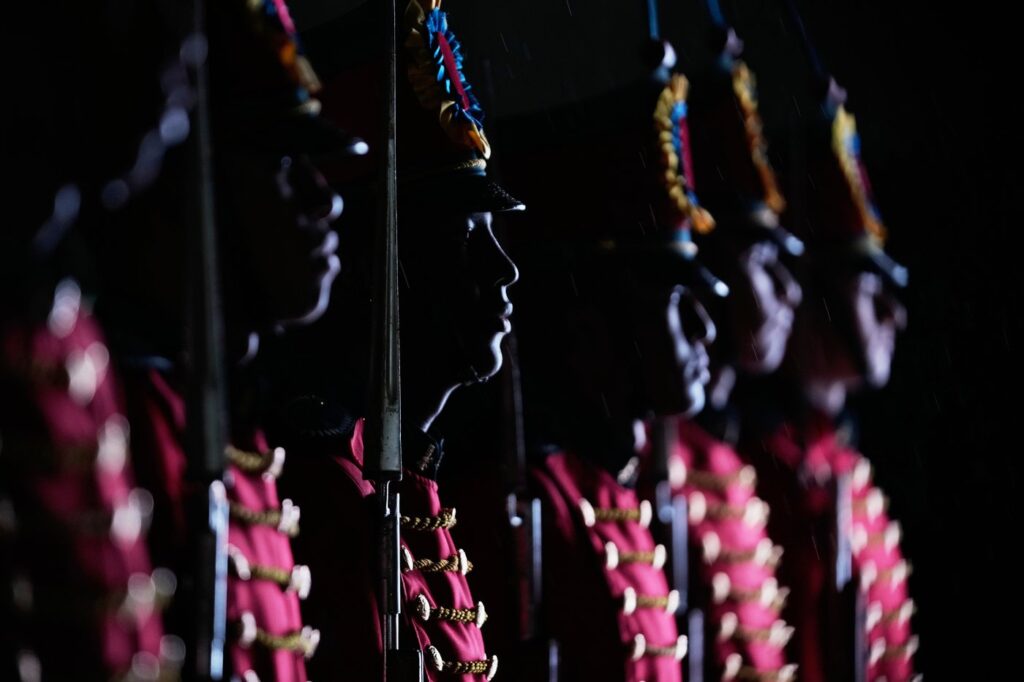
From March 20 to 26, 2026, a series of significant events unfolded in Latin America, highlighting both the struggles and the resilience of the region's people. In Bogotá, Colombia, soldiers gathered to hold a solemn vigil for the victims of a tragic military cargo plane crash that occurred in Puerto Leguizamo. This crash claimed the lives of multiple service members, prompting an outpouring of grief from both military and civilian communities, as they paid their respects at the Monument to the Fallen Heroes.
Meanwhile, in Buenos Aires, Argentine soccer star Lionel Messi participated in a training session as the national team prepared for an upcoming friendly match against Mauritania. The training was a focal point for fans and media, underscoring Messi's enduring popularity and the expectations tied to the Argentine national soccer team. The friendly match represents an opportunity for the team to build momentum ahead of future competitive fixtures.
In Mexico, the plight of migrants continued to draw attention as they marched through Chiapas state, voicing their frustrations over lengthy waits for necessary paperwork and seeking permission to relocate to areas where job opportunities abound. This protest illustrates the ongoing challenges faced by many migrants in their pursuit of a better life amid bureaucratic hurdles and socioeconomic difficulties.
Additional noteworthy events included a protest in Caracas, Venezuela, where demonstrators gathered to demand higher salaries, pensions, and benefits. This rally reflects the economic hardships that many Venezuelans endure, highlighting the crucial need for improved living conditions and government accountability.
A troubling environmental issue also surfaced with reports of an oil spill in the Gulf of Mexico, prompting fishermen in Salinas, Mexico, to suspend their fishing activities. The spill, caused by an unidentified vessel along with natural oil seeps, raised concerns about its impact on both the local economy and marine ecosystems, revealing the delicate balance between human activity and environmental health.
During this period, sports also took center stage as Bolivia's national soccer team celebrated after scoring their second goal against Suriname in a World Cup 2026 playoff semifinal held in La Paz. This event captured the attention and enthusiasm of fans, showcasing the unifying power of sports amidst ongoing regional challenges.
On a reflective note, events in Uruguay marked the anniversary of the military coup that brought a repressive regime to power from 1976 to 1983. In Montevideo, images of Uruguayans who disappeared during this dark chapter in the nation's history were displayed in a poignant reminder of the past. Activists in Buenos Aires echoed this sentiment, demonstrating during rallies to commemorate the anniversary of the coup, urging for accountability and remembrance of the victims.
Lastly, the week was not without its challenges as people in Havana, Cuba, experienced a blackout, spending the night in darkness along the Malecon. This incident underscores the ongoing infrastructural issues faced by Cuban citizens and highlights the challenges of daily life in the country.
In Brazil, President Luiz Inacio Lula da Silva participated in a significant event centered around the unveiling of the first F-39E Gripen fighter jet assembled in the country. The ceremony at the Embraer plant in Gaviao Peixoto also included Brazil's Defense Minister and executives from Saab, emphasizing the advancements in Brazil's aerospace capabilities.
Overall, this week in March 2026 portrayed a vivid tapestry of life across Latin America, marked by both celebrations and somber moments. From the sporting successes and poignant memorials to protests demanding justice and economic stability, the events of this week reflect the resilience and determination of the region's people to foster change and honor their past.








