

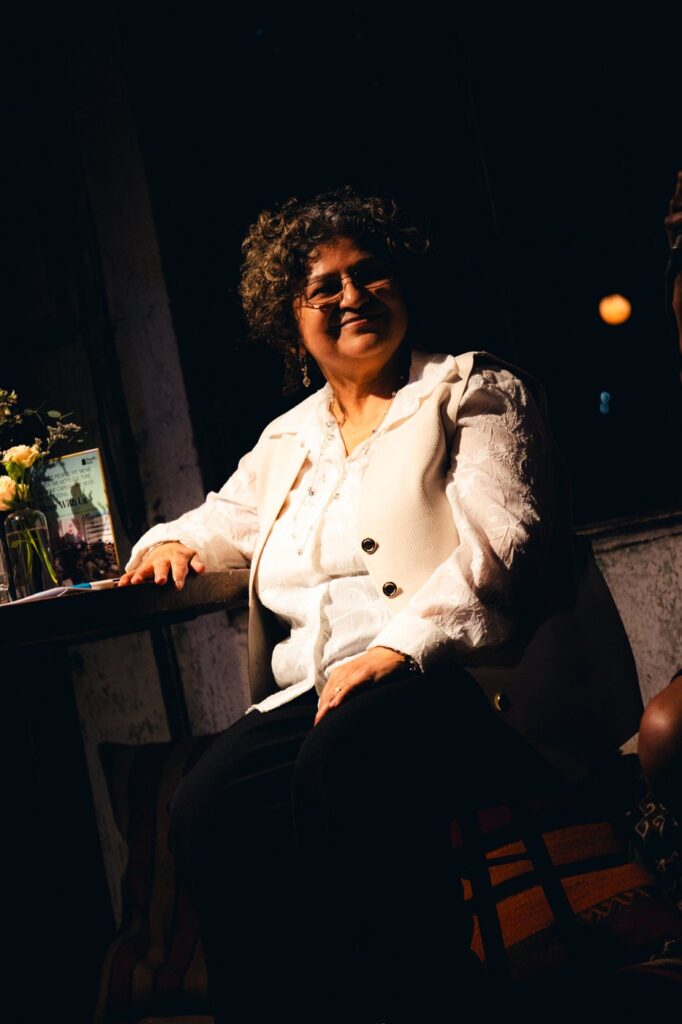
Gender-equality activists are mourning the loss of Yanar Mohammed, a Toronto woman who dedicated decades of her life to advocating for women's rights in Iraq. Mohammed was shot outside her home in Baghdad on March 2, 2026, an act seen as a targeted attack against her significant contributions to the feminist movement in her native country.
Born in Baghdad, Mohammed fled to Lebanon after the Gulf War in 1991 due to severe economic sanctions on Iraq. She later moved to Canada in 1995 with her husband and child, obtaining refugee status and working as an architect. The U.S. invasion of Iraq in 2003 spurred her to return to her roots, where she co-founded the Organization of Women’s Freedom in Iraq (OWFI). This organization was instrumental in establishing the first women’s shelter in Iraq and expanded into a network of safe houses catering to women escaping violence and exploitation.
Jess Tomlin, co-founder of the Equality Fund, emphasized Mohammed's moral clarity and profound commitment to women’s rights. Describing her as a beacon of hope and a strong advocate against both local and foreign oppression, Tomlin noted that Mohammed created a safe haven for women fleeing various forms of violence, including honour killings and sexual exploitation by the Islamic State group. Over the years, she frequently traveled between Canada and Iraq, risking her safety for the sake of her mission.
Mohammed's activism extended beyond providing shelter; she also engaged in significant political discourse, advocating against Shia-based legal systems that strip women of their rights. Just before her death, she was involved in a conference discussing the impact of ISIS on Yazidi women. Her recent court battles had made her a target of hostility, reflecting the complexities and dangers faced by activists standing up for women’s rights in a volatile environment.
The Canadian embassy in Baghdad condemned Mohammed's murder, reiterating the profound loss it represents to the women's movement in Iraq. The embassy, along with other allied nations, highlighted her dedication to defending women's rights and supporting survivors of violence, pledging a commitment to the values for which she stood. They commended the Iraqi government for initiating an immediate investigation into her assassination amidst ongoing security challenges in the region.
Mohammed’s family described her as a passionate individual with diverse interests, including ceramics and leftist intellectual discussions. Her friend Tomlin remembered her humor and vivacity, underscoring the resilience with which she approached life despite carrying heavy trauma. Tomlin reflected on the legacy Mohammed left behind, believing that numerous leaders and activists would carry on her work, even as global efforts to support gender equality face setbacks.
As Iraq experiences a concerning rise in gender-based violence, activists frame Mohammed’s death as a call to action, particularly in light of its timing just days before International Women’s Day. Tomlin expressed that Mohammed would urge people not to look away from the struggles faced by women and girls. “She would be saying, ‘Don’t you dare turn your eyes away from this,’” Tomlin stated, emphasizing the need for continued focus on women's rights in the face of adversity.
Ultimately, Mohammed's enduring spirit and unwavering commitment to equality reflect the ongoing fight for women's rights, underscoring the message that the battle for freedom and safety for women must persist, even amidst rising authoritarianism and diminishing support for global human rights initiatives.








