

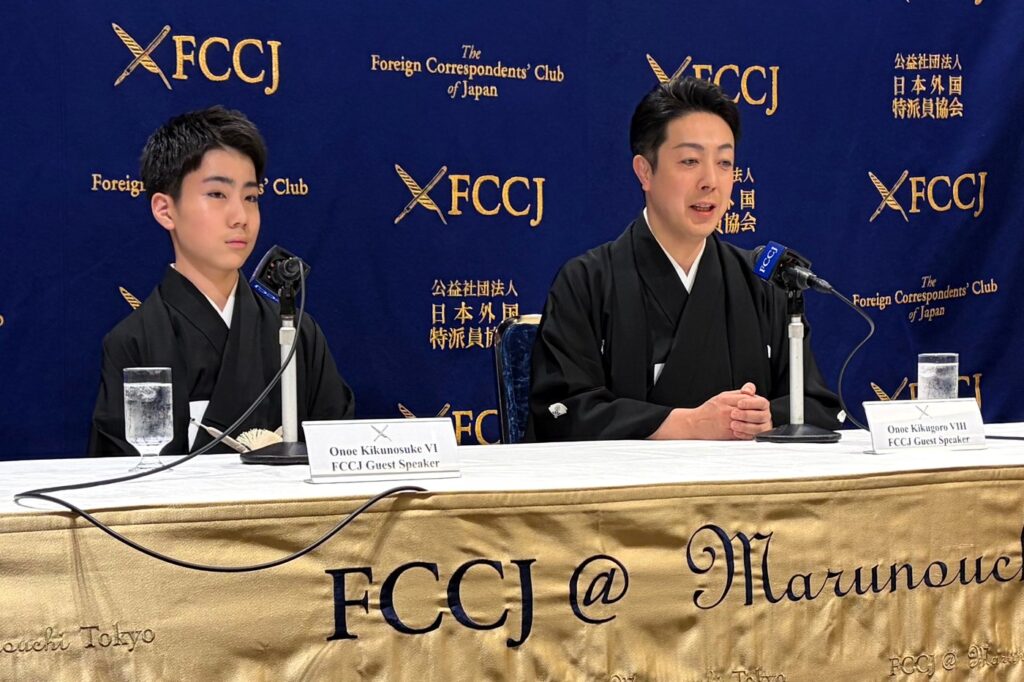
TOKYO (AP) – The tradition of passing down names in Japanese Kabuki theater is a critical aspect of its cultural heritage. This year, the eighth Kikugoro, known as Kazuyasu Terajima, is inheriting this prestigious name from his father, the seventh Kikugoro, who is now 83 years old. The ceremony, which takes place every few years, symbolizes the continuity of spirit and artistic responsibility across generations.
"Taking on the name is about taking on the spirit and responsibility that’s created and gets passed down over generations by those who came before us,” stated Kazuyasu Terajima during a recent press conference. He emphasized the role of Kabuki actors in preserving and evolving the arts inherited from their predecessors for future generations.
The renowned Danjuro family, another significant name in the Kabuki tradition, also experienced a name succession with the 13th Danjuro being honored in 2022. Kabuki, which originated in the 1600s, remains vibrant in contemporary Japan, highlighted by the success of the film "Kokuho," which has become Japan's biggest-grossing live-action movie.
Kabuki showcases dramatic narratives featuring characters such as brave samurai and enchanting maidens, combining live music, dance, and stylized acting. With all roles performed by male actors in elaborate costumes and distinctive makeup, the theatrical form is characterized by its unique portrayal of emotions through exaggerated gestures known as “mie.”
The actors often deliver their lines in a rhythmic, singsong manner, while the sound of live music enriches the performance, setting the atmosphere through evocative soundscapes. Backdrops can be as dynamic as revolving sets depicting cherry blossoms with paper petals, or sequences featuring acrobatics, such as a fox dancing in joy suspended by wires.
Kabuki also includes dramatic costume changes on stage, often facilitated by stagehands wearing black outfits referred to as "kurogo" to maintain the illusion. The rich tradition has parallels with Shakespearean theater, particularly in themes of love and tragedy, with plays like "The Love Suicides at Sonezaki," reminiscent of "Romeo and Juliet." Notably, Chikamatsu Monzaemon, who wrote this Kabuki piece, lived during the 18th-century Tokugawa period and likely had no knowledge of Shakespeare.
For the new Kikugoro, Kazuyasu Terajima, who is 48 years old, this path is one he was destined for. He has trained from a young age and expressed absolute admiration for his predecessors, feeling a deep sense of gratitude for being born into such a legendary lineage. He acknowledges the challenges of being a Kabuki actor, a sentiment echoed by his 12-year-old son Kazufumi, who will inherit the name Kikunosuke. Despite his love for modern activities like video games, he is dedicated to the demanding life of a Kabuki performer.
The name-succession ritual known as “shumei” began last year and continues, reflecting Kabuki's commitment to preserving its essence through traditional practices. American scholar James R. Brandon highlights that the essence of Kabuki lies in the collaborative relationship between playwrights and actors in delivering the unique performance style.
Kabuki is rooted in the concept of “kata,” which refers to the correct way of doing something. This principle serves as a model for future generations wishing to continue the craft. Despite concerns regarding the future of Kabuki, Kazuyasu Terajima remains optimistic, asserting that the tradition’s core values, including human compassion and care for others, remain as relevant as ever.








