

ISLAMABAD (AP) – Hopes have risen for renewed diplomatic talks between the United States and Iran as the U.S. military confirmed that its blockade of Iranian ports is in full effect. On Wednesday, Tehran issued threats to retaliate by attacking targets across the conflict-ridden region, heightening tensions further.
U.S. President Donald Trump mentioned on Tuesday that a second round of discussions could occur "over the next two days," suggesting Islamabad as a potential venue for negotiations. This came amid reports that diplomats were utilizing back channels to facilitate the talks.
U.N. Secretary-General António Guterres also indicated a "highly probable" chance for talks to restart, referencing a recent meeting with Pakistan’s Foreign Minister Ishaq Dar. Meanwhile, oil prices fell in response to the optimism surrounding a possible resolution to the ongoing conflict, and U.S. stocks approached record levels last seen in January. The war, entering its seventh week, has already significantly disrupted markets and adversely affected the global economy, given the cut-off of shipping routes and extensive airstrikes that have impacted both military and civilian infrastructure throughout the region.
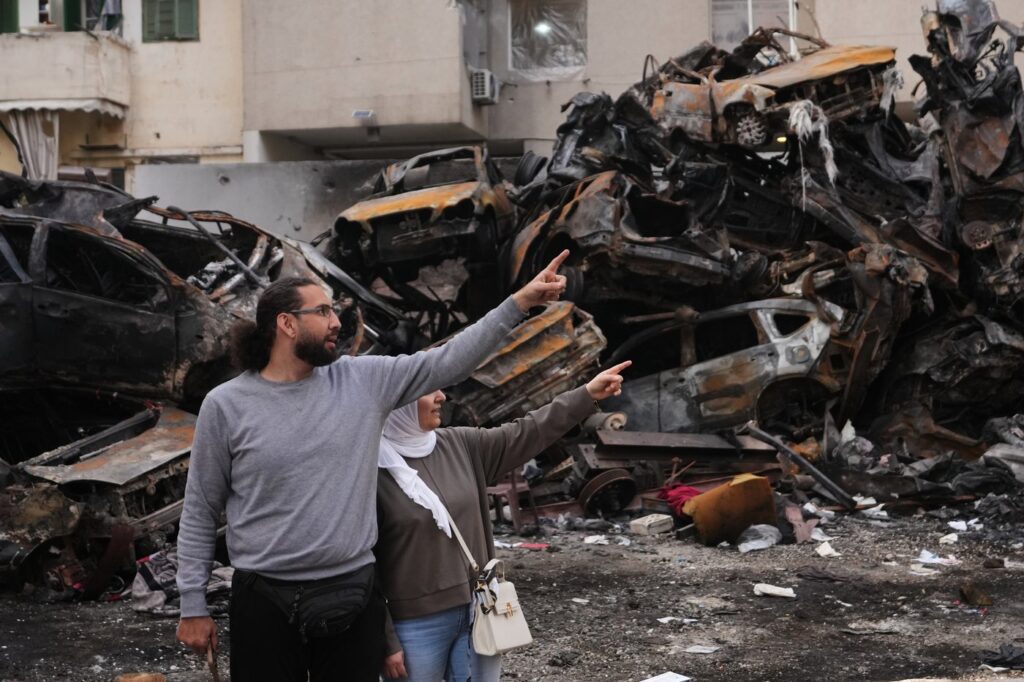
In parallel developments, the first direct talks in decades took place between Israeli and Lebanese ambassadors to the U.S. The meeting, which concluded positively, marked a significant milestone in diplomatic relations. Israeli Ambassador Yechiel Leiter expressed alignment between the two nations in their goal to "liberate Lebanon" from the militant group Hezbollah. Lebanese Ambassador Nada Hamadeh Moawad highlighted the constructive nature of the discussions but emphasized the urgent need to halt ongoing hostilities between Israel and Hezbollah, which have displaced over 1 million people since March.
During a recent initial round of talks held in Pakistan aimed at permanently resolving the U.S.-Iran conflict, no agreement was reached. A major sticking point in the negotiations was Iran’s nuclear ambitions, as reported by the White House. President Trump indicated that he believes Iran is desperate to reach a deal, stating he sees the situation as nearly resolved.
A U.S. official, speaking anonymously, confirmed that fresh discussions with Iran are still under consideration but have not yet been scheduled. Pakistan’s Finance Minister Muhammad Aurangzeb expressed confidence in his country’s continued efforts to mediate between the U.S. and Iran.
Despite a ceasefire holding, tensions surrounding the strategic Strait of Hormuz pose a risk of rekindling hostilities and intensifying the conflict's economic repercussions. The ongoing fighting has resulted in the deaths of at least 3,000 individuals in Iran, over 2,100 in Lebanon, and casualties in Israel and Gulf Arab states. Additionally, 13 U.S. service members have lost their lives amidst the crisis.
The U.S. Central Command reported that within the blockade's first 24 hours, no ships managed to pass through, while six merchant vessels heeded signals from U.S. forces and turned back into Iranian waters. The blockade's purpose is to exert pressure on Iran, which has continued to export millions of barrels of oil, primarily to Asia, contravening sanctions and providing critical revenue to maintain its operations.
As tankers approached the Strait on Monday, many changed course upon realizing the blockade was enforced; however, one vessel unexpectedly proceeded through the waterway. Since the war's onset, Iran has limited maritime activities, leading to many commercial vessels avoiding the strait altogether. Tehran’s effective closure of this crucial route has significantly increased global oil prices, contributing to the rising costs of gasoline, food, and essential goods beyond the Middle East region.








