

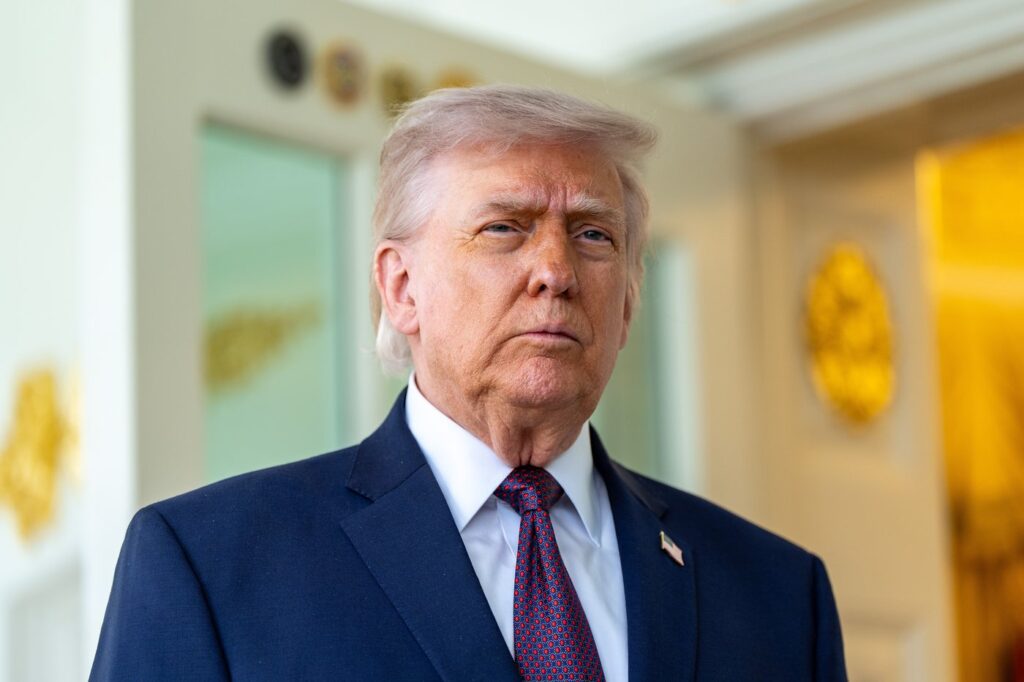
WASHINGTON (AP) — Congress is preparing to address the reauthorization of a controversial program under the Foreign Intelligence Surveillance Act (FISA), which enables U.S. intelligence agencies to collect and analyze vast amounts of communications from foreigners without a warrant. While supporters, including President Donald Trump, argue that this program has been crucial in saving lives, critics raise longstanding concerns about the potential for warrantless surveillance of American citizens.
The program allows agencies such as the CIA, NSA, and FBI to gather communications data that often includes interactions with American citizens who are conversing with foreigners targeted for surveillance. This capability has sparked debate, particularly as the expiration date of the program approaches on Monday. Many critics are advocating for reforms, including mandatory warrants before authorities can access communications data related to Americans and restrictions on the government’s use of internet data brokers who sell personal information that could bypass constitutional protections.
Despite bipartisan criticism, significant reform prospects have diminished following Trump’s endorsement for the renewal of the program, asserting its importance in recent military actions involving countries like Venezuela and Iran. On social media, Trump emphasized, “The fact is, whether you like FISA or not, it is extremely important to our military.” He has called for an 18-month extension of the program, positioning it as vital to national security while attempting to balance civil liberties.
U.S. authorities maintain that Section 702 of FISA is essential for national security and has prevented various terrorist threats. However, many advocates spotlight the risks to privacy and civil liberties, particularly as they highlight the collection of data from individuals who are not foreign targets but merely communicating with them. Critics argue that essential protections for American communications must be prioritized, including a warrant requirement to search and report on such data.
Senator Ron Wyden (D-Ore.) has been vocal about the necessity for changes to ensure the government is not infringing on civil rights through indiscriminate surveillance that could affect journalists and people with connections overseas. Similarly, several Republicans have suggested reforms, indicating that national security and civil liberties can coexist without infringing on the rights of American citizens.
Director of National Intelligence Tulsi Gabbard also shifted her stance, now supporting Section 702, citing new protections implemented since her congressional tenure. Reports reveal an increase in foreign surveillance targets, now at nearly 350,000 for 2025, though there has been a slight decrease in searches that could identify an American. Concerns surrounding significant agencies like the FBI highlight potential abuses, as past searches have violated internal standards during critical events such as the January 6 insurrection and federal protests in 2020.
The timeline for Congress to enact any changes is restricted, given the impending deadline for the program's expiration. Despite bipartisan concerns over the implications for civil liberties, Trump’s support makes it less likely that enough Republicans will join Democrats in pushing for reforms. Wyden expressed frustration over the typical last-minute nature of Section 702 votes, warning that lawmakers often face pressure to vote in favor, risking national security fears that could be used as leverage against proposed amendments.
The House of Representatives may present the best opportunity for amendments, with several bipartisan voices calling for modifications. Nonetheless, Rep. Rick Crawford, chair of the House Intelligence Committee, is endorsing Trump's extension, asserting that it is possible to maintain national security while holding intelligence agencies accountable. He remarked, “We can walk and chew gum at the same time,” highlighting the need for a balanced approach to surveillance and civil liberties.
As the deadline looms, the ongoing dialogue reflects a critical juncture for privacy rights, national security, and the extent of government surveillance capabilities. The outcome of this reauthorization will likely resonate deeply in the landscape of American civil liberties and trust in government oversight of intelligence operations.








