

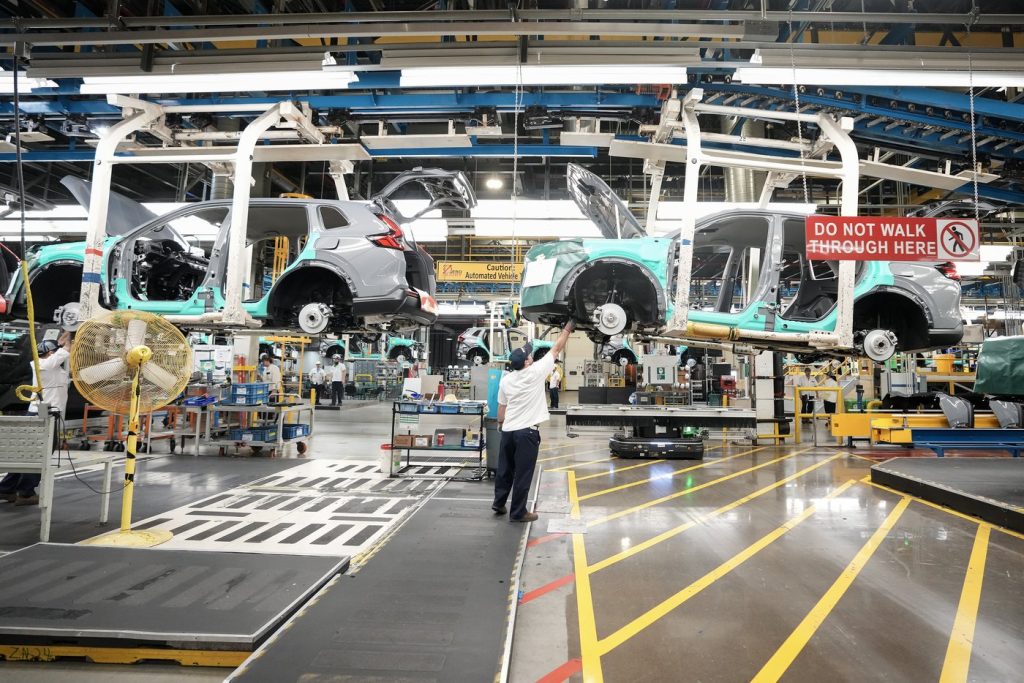
TORONTO – In a significant development for Canada's automotive landscape, Toyota and Honda have announced the formation of a new lobby group, the Pacific Manufacturing Association of Canada (PMAC). This strategic move comes at a time when the Canadian automotive industry is grappling with numerous challenges, including supply chain disruptions and shifts in market dynamics.
Last year, Toyota and Honda represented approximately three-quarters of all vehicles produced in Canada, particularly following a series of production cuts by major Detroit automotive companies. This trend underscores the growing dominance of the Japanese manufacturers in the Canadian market, particularly as they adapt to changing economic conditions and consumer demands.
The establishment of PMAC is timely, particularly as Canada's manufacturing sector faces hurdles created by the tariffs imposed by the United States. These tariffs have significantly affected deeply integrated supply chains that rely on the seamless movement of goods across the U.S.-Canada border. The creation of PMAC signals a unified effort by these two major automotive players to advocate for policies that will benefit their operations in Canada.
Moreover, the lobby group is emerging at a crucial time as the Canadian government considers opening its market to Chinese electric vehicles, which have been increasingly successful in various global markets. This potential influx of competition adds further complexity to the Canadian automotive landscape, making the role of PMAC more important than ever.
PMAC aims to serve as a voice for Honda and Toyota during key trade negotiations with the U.S., as well as in federal consultations on automotive strategies. The association will also focus its efforts on pressing policy issues, including the development of electric vehicles, addressing greenhouse gas emissions, and updating regulatory frameworks to better suit the evolving automotive industry.
The new industry association encompasses Honda Canada Inc. and Toyota Canada Inc., along with their respective manufacturing plants—Honda of Canada Manufacturing and Toyota Motor Manufacturing Canada. This collaboration highlights the shared interests and objectives of the two companies as they navigate the complex landscape of automotive manufacturing and policy.
In summary, the formation of the Pacific Manufacturing Association of Canada marks a critical step for Toyota and Honda as they attempt to solidify their positions in a challenging market environment. By collectively addressing trade and policy issues, they aim to foster a more favorable operational landscape for their manufacturing activities in Canada.








