

YAOUNDE, Cameroon – Pope Leo XIV is embarking on a significant visit to the western Cameroonian city of Bamenda, delivering a vital message of peace amidst a protracted separatist conflict that humanitarian organizations have classified as one of the world's most neglected crises. The pope's visit highlights the ongoing struggles within the region, raising awareness about the plight of numerous victims impacted by the turmoil.
On Thursday, Leo will preside over a peace meeting that includes prominent community figures such as a traditional chief from Mankon, a Presbyterian moderator, an imam, and a Catholic nun. The meeting is designed to underscore the interfaith movement's efforts aimed at resolving the conflict and providing relief to many traumatized individuals.
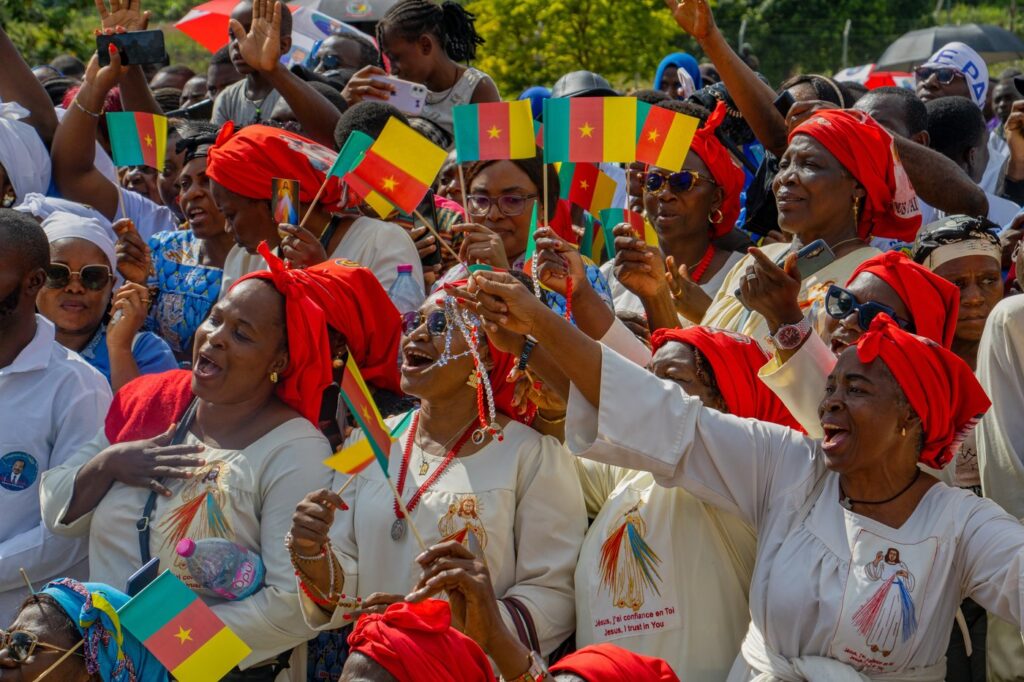
Pope Leo XIV's itinerary also includes celebrating a Mass for the residents of Bamenda, strategically located near Cameroon's western border with Nigeria. This visit is part of the pontiff's four-nation African trip, marking the first journey to the continent by an American pope. Upon arriving in Cameroon on Wednesday, Leo made a fervent address demanding the dissolution of what he termed the “chains of corruption” plaguing the mineral-rich nation. He also discussed the essential principles of legitimate leadership with President Paul Biya.
President Paul Biya, aged 93 and recognized as the world's oldest leader, has been in power since 1982. His administration recently emerged from a disputed election in which he claimed victory, securing an eighth term in office amidst allegations of electoral irregularities.
The conflict engulfing Cameroon's two Anglophone regions has deep historical roots, tracing back to the colonial division of the country between France and Britain following World War I. In a U.N.-backed referendum in 1961, English-speaking regions joined French-majority Cameroon; however, separatists argue that they have faced political and economic marginalization ever since. In 2017, discontent surged as English-speaking separatists instigated a rebellion aimed at secession, seeking to establish an independent state.
The escalating violence has left more than 6,000 people dead and over 600,000 displaced, according to the International Crisis Group, underscoring the gravity of the humanitarian crisis. Just before the pope's arrival, separatist fighters announced a three-day ceasefire, with spokesperson Lucas Asu stating that this decision reflects a commitment to responsibility, restraint, and respect for human dignity during ongoing conflict. Asu emphasized that the pope's visit should be interpreted purely as a spiritual event rather than an endorsement of any political authority.
Despite the decline in violent attacks attributed to separatists in recent years, the conflict persists without a resolution in sight. Peace negotiations involving international mediators have faced significant challenges, with both factions accusing one another of acting in bad faith, complicating any potential for a long-lasting settlement.
This visit by Pope Leo XIV, although marked by a temporary ceasefire, highlights the complexity and deeply rooted issues surrounding the conflict in Cameroon, emphasizing the need for ongoing dialogue and intervention to bring peace to the region.








