

HAVANA (AP) – Cuba's elderly population is facing significant hardships amid the island's escalating economic crisis, which has intensified since the beginning of the year following an oil embargo imposed by former U.S. President Donald Trump. The situation has deteriorated further, affecting numerous sectors of society, with seniors disproportionately impacted.
Historically, Cuba is known for having one of the oldest demographics in Latin America, characterized by both long life expectancy and low birth rates. By the end of 2024, nearly 26% of the Cuban population is projected to be aged 60 or older, significantly surpassing the regional average of 14.2% reported by the Economic Commission for Latin America and the Caribbean. This demographic trend has emerged in conjunction with a broader population decline, where almost 1.5 million Cubans have emigrated over the past five years.
Many of the elderly in Cuba are former state workers reliant on minimal pensions that offer limited financial security. As the economic situation worsens, they have encountered cuts to long-subsidized goods, leading to increased isolation as younger generations leave the country in search of better opportunities. The visible effects of this crisis manifest in the daily lives of older Cubans, who can be found walking the streets alone, enduring long lines for basic staples such as bread and rice, and increasingly relying on charitable organizations, including churches, for essential meals.
A notable support system for these seniors is the Church of the Holy Spirit located in Old Havana. The church provides complimentary hot meals to nearly 50 elderly residents three times a week. The meals, consisting of ground meat, rice, red beans, and crackers topped with mayonnaise, go beyond mere sustenance; they offer a semblance of routine, companionship, and relief during a time filled with shortages and solitude.
Among the seniors benefiting from this program was Mercedes Lopez Rey, a retired engineer who regularly attended the church until her recent passing. She not only sought nourishment for herself but also collected meals for her friend Julia Barcelo, who was battling breast cancer and confined to her home. Carmen Casado, an 84-year-old retired chemical engineer, is another regular visitor to the church. Living alone and having no children or financial support from family abroad, Carmen survives on a monthly pension worth approximately $4 at the informal exchange rate. Despite her dire circumstances, she retains her faith in the government, attributing the island's numerous troubles to U.S. policies.
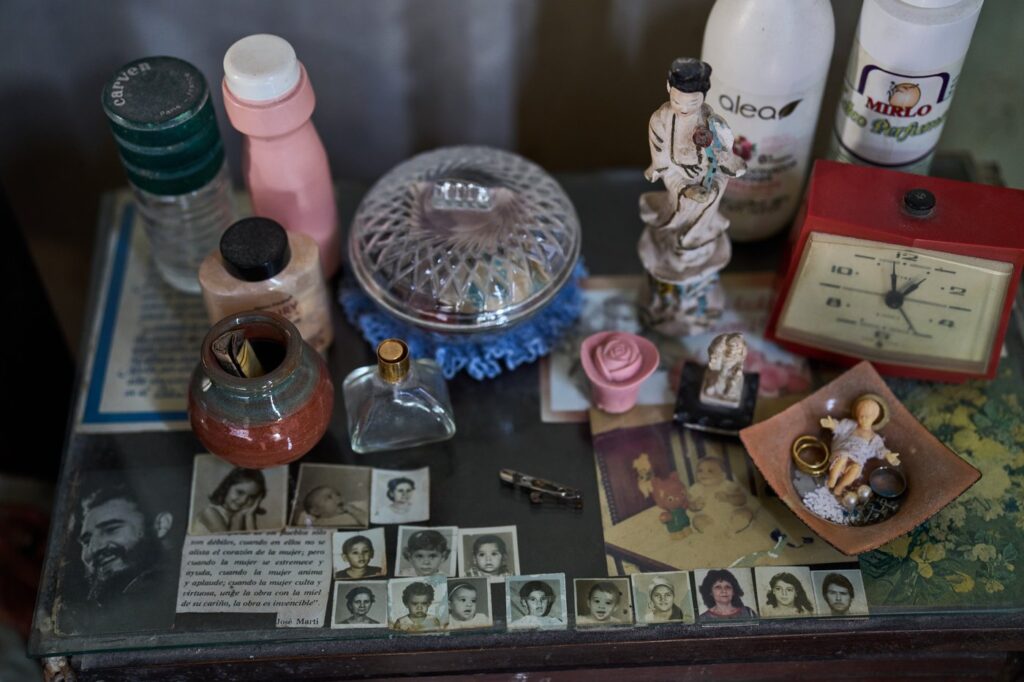
The photos taken by AP photo editors document the plight of Cuba's elderly amidst this economic turmoil. They capture scenes of seniors in various states of need, showcasing their daily challenges and resilience. Elderly men and women navigate the streets and stand in line for basic goods, while others attend tai chi classes in community centers. In one poignant image, an elderly man using a hand-powered tricycle symbolizes the mobility challenges faced by many within this demographic.
Every moment captured provides a glimpse into the lives of seniors who embody the history of Cuba from Fidel Castro's early leadership to present-day struggles. As the elderly confront new phases of scarcity and loneliness, their reliance on community support and their personal resilience continue to be tested. This visual documentation serves not only as a record of hardship but as a reminder of the enduring human spirit against the backdrop of national and global socio-economic struggles.








