

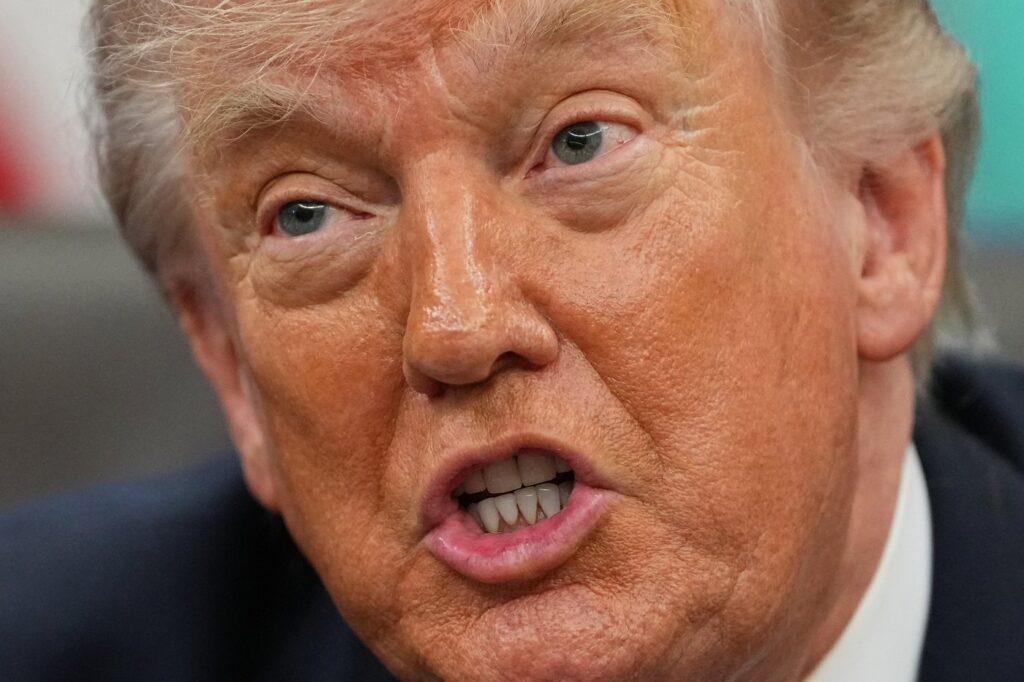
In a significant development within the Trump administration, President Donald Trump has decided to withdraw the nomination of Casey Means for the role of U.S. Surgeon General. This decision comes after a period of stagnation regarding Means' nomination, indicating possible challenges in securing the necessary support for her confirmation. In place of Means, Trump has announced that he will nominate Dr. Nicole Saphier to fill the position.
The role of the Surgeon General is crucial, especially during times of public health crises, as the appointee acts as a leading spokesperson on matters of public health in the federal government. As such, the selection of a nominee who can swiftly gain bipartisan support is critical. Trump's decision to change nominees suggests that he is seeking someone who may have a better chance of navigating the complex environment of political confirmation.
Dr. Nicole Saphier is known for her expertise in the medical field and her involvement in public health issues. She has previously emphasized the importance of preventative care and has made significant contributions to discussions surrounding health policy. Her nomination may reflect a strategic choice by the Trump administration to underscore a focus on health care reform and responsiveness to health crises, particularly in light of the ongoing concerns surrounding the COVID-19 pandemic and its ramifications.
This development marks a pivotal moment in the Trump administration's approach to public health leadership, attempting to align their choices with the demands of contemporary health challenges. As the new nominee, Dr. Saphier will face the task of establishing her credibility and garnering the support needed for confirmation in a politically charged environment.
In a related context, the political landscape surrounding health care has become increasingly contentious, with differing views among lawmakers regarding the best approaches to address public health issues. The incumbent administration's previous nominee, Casey Means, faced hurdles that could have influenced the decision to seek a new candidate, illustrating the complexities involved in securing such critical positions in government.
Ultimately, as Dr. Saphier prepares for her nomination process, her ability to effectively communicate her vision for the role and navigate the political intricacies will be key factors in determining whether she can successfully become the next U.S. Surgeon General. The Trump administration's latest move highlights the ongoing evolution of health policy leadership in the United States and sets the stage for potential shifts in public health strategies under Saphier's proposed direction.
As this nomination unfolds, it will be important to observe how the confirmation process develops and how Dr. Saphier positions herself to meet both public expectations and the challenging dynamics of congressional approval.








