

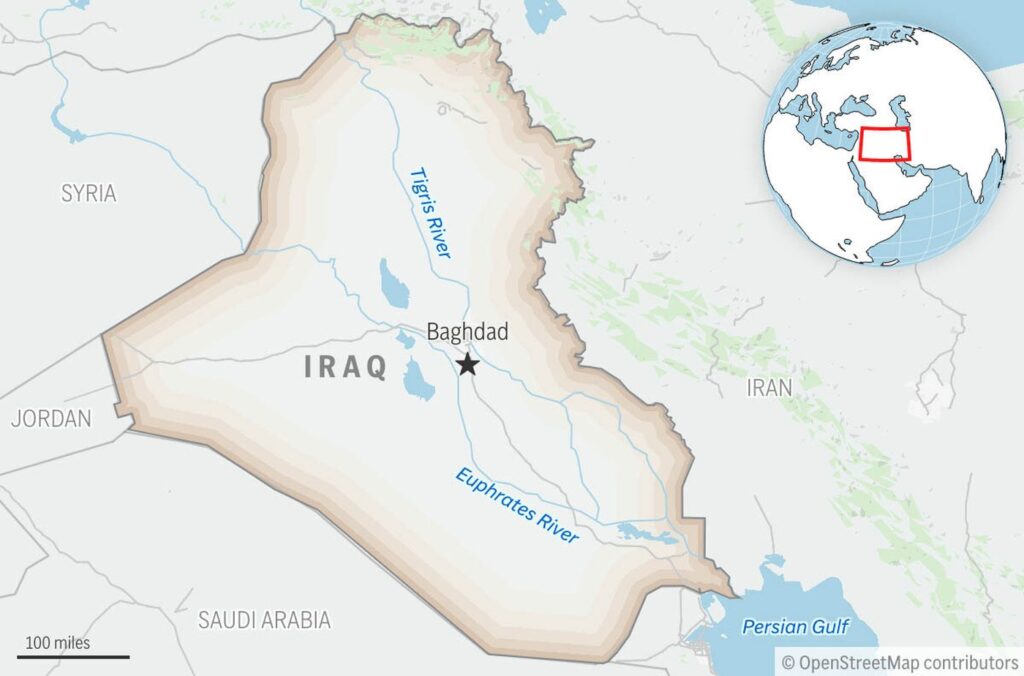
BAGHDAD (AP) – An Iraqi court has recently issued a verdict sentencing four individuals to six years in prison for promoting the ideas of the banned Baath Party, which was led by the former Iraqi leader Saddam Hussein. This judicial action took place against the backdrop of ongoing efforts to manage the legacy of de-Baathification in Iraq, a policy established following the U.S.-led invasion in 2003.
The Karkh Criminal Court revealed that the convicted individuals were found with materials related to the Baath Party on their cellphones, specifically in Kirkuk province during the years 2025 and 2026. The offenses fall under Iraq's stringent measures against the resurgence of Baathist ideology and influence, which many citizens associate with the brutality of Saddam's regime.
In the years following the 2003 invasion, Iraq implemented a comprehensive de-Baathification policy aimed at expunging the Baath Party's influence from state institutions. This initiative primarily targeted former party members, especially those who held significant positions in the government under Saddam Hussein's autocratic rule. As a result, there were widespread dismissals within the public sector, affecting numerous fields, including the military, education, and civil service.
Despite the ongoing judicial actions, recent years have seen a decline in such convictions, indicating a possible shift in the political landscape. Some former officials, who were previously ousted under the de-Baathification laws, have been permitted to return to service, provided they were not implicated in serious crimes. This resurrection of previously purged individuals has created a complex dialogue surrounding the ongoing relevance of de-Baathification efforts.
Furthermore, investigations associated with de-Baathification rulings have led to the disqualification of certain political candidates in recent elections. Those with de-Baathification rulings against them are barred from running for ministerial positions or holding high-security roles within the government, thereby perpetuating the impact of past policies on contemporary governance.
The legacy of de-Baathification remains a politically and socially charged issue in Iraq, particularly among the Sunni minority population, which experienced significant repercussions following the fall of Saddam Hussein. As a Sunni, Saddam had appointed many people from this sect to prominent roles within his regime. After his ousting, however, the consequent purges largely excluded Sunnis from positions of power, fostering feelings of disenfranchisement and resentment. Some of these sentiments have contributed to the rise of extremist groups within the Sunni community.
The Accountability and Justice Commission is the designated body overseeing ongoing de-Baathification efforts, and it continues to stir debate among Iraq's political leaders. Sunni politicians in successive parliaments have voiced calls for the commission's dissolution, arguing that its mandate should be reassessed or ended altogether, which they perceive as essential to facilitating national reconciliation efforts.
Conversely, proponents of the commission maintain that it serves as an essential legal framework to prevent any revival of Baathist influence within Iraqi state institutions, stressing the importance of safeguarding the country against the return of previously held power structures that led to extensive oppression during Saddam's regime.








