

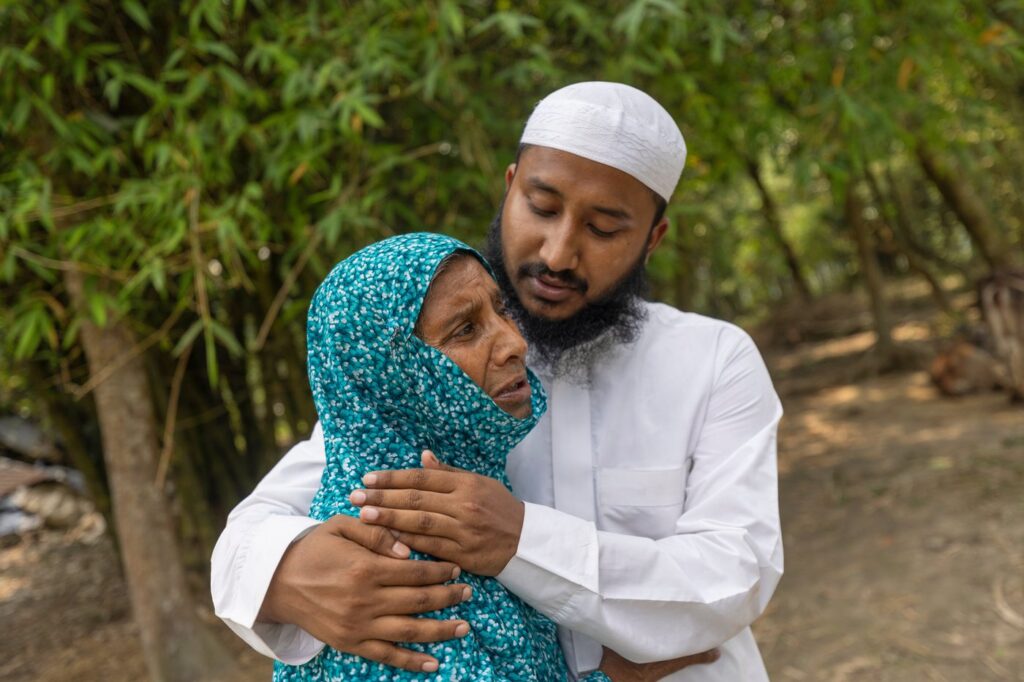
HANOI, Vietnam (AP) — Mohammad Abdullah Al Mamun, a 35-year-old migrant worker from Bangladesh, had only met his 6-year-old son once during his extended employment in Saudi Arabia. For 15 years, Mamun worked in the Gulf region, sending money home to support his family in one of the poorest areas of Bangladesh. He had future plans to return home, build a larger house, and spend quality time with his son. However, those dreams were shattered on March 8 when a missile struck his workers' camp, leading to his severe injuries and eventual death. Mamun was one of over two dozen foreign workers killed amid escalating conflicts in the region after hostilities broke out between the United States, Israel, and Iran.
The current situation poses a critical dilemma for millions of migrant workers in the Middle East. Many are now weighing the risks of continuing to work in high-wage environments against the prospect of returning home to countries suffering from increased costs of living due to the ongoing conflict. Mamun’s choice was ultimately made for him, as he returned to his homeland in a coffin, leaving his widow, Sadia Islam Sarmin, and family to grapple with their loss and uncertainty about their future.
Migrant laborers constitute a significant portion of the workforce in the Gulf Arab states, often toiling under harsh conditions in low-wage jobs at oil facilities and construction sites with little security or protection. Advocacy groups like the Coalition for Labour Justice for Migrants in the Gulf report that many workers lack access to necessary safety measures, such as bomb shelters, and are often stranded in dangerous conditions. The conflict has claimed at least 24 foreign workers' lives in the Gulf, with additional fatalities recorded in Israel due to missile and drone strikes launched by Iran and affiliated militias.
A ceasefire was declared in early April, but ongoing negotiations to solidify peace have repeatedly faltered. The geopolitical tensions have also had a considerable ripple effect, notably through disruptions in oil and gas supplies, dramatically increasing prices which correlate directly to inflated living costs in countries that rely on remittances from migrant workers. Specifically, remittances from Gulf nations account for crucial portions of GDP in several South Asian countries, including 1% in India and nearly 10% in Nepal, emphasizing the stark reality that many families depend on these funds for survival.
On the day following Mamun’s injury, his family received distressing news, with his brother Maruf Hasain recounting the harrowing details of Mamun's condition as captured in video footage. The tragic experience highlights the vulnerabilities faced by low-wage laborers, who risk their lives for physically demanding and unsafe jobs. Reports from other foreign workers in the region illustrate that many feel they have no choice but to continue working despite the dangers. For instance, a 27-year-old Bangladeshi worker in Qatar described working under the threat of missiles, explaining the dire financial conditions that compelled him to stay employed.
In Qatar, despite reforms initiated prior to the 2022 World Cup, many workers still face exploitation due to their employment conditions being tethered to specific employers. Ahmed al-Aliyli, a taxi driver, noted the financial strain he faces as his income plummeted due to war-related disruptions, further emphasizing the precarious position of migrant workers during this conflict. The economic slowdown within Gulf states, particularly in industries such as construction and real estate, intensifies the vulnerability of foreign laborers, and many may be left without jobs or essential support from their employers.
Mamun's mother, Shahida Khatun, urged him to come home as the conflict escalated. In his final conversations, Mamun expressed ambitions for his family's future and promised to invest in their education and housing. Now, his family must endeavor to recover his unpaid wages while struggling to adapt to life without him. The emotional toll of losing a child is indescribable, as Khatun shared her profound grief over Mamun's death.
For many migrant workers, returning home is not a viable option. They are forced to weigh the risk of violence against the necessity of earning higher wages abroad to support their families. Marlene Flores, a Filipina working in Qatar, described the dangerous environment yet highlighted the relative financial safety and security she feels in comparison to her home country. Similarly, Jeremiah Supan, a caregiver in Israel, shares similar sentiments, deliberating on the possible hardships his family would face should he return home.








