

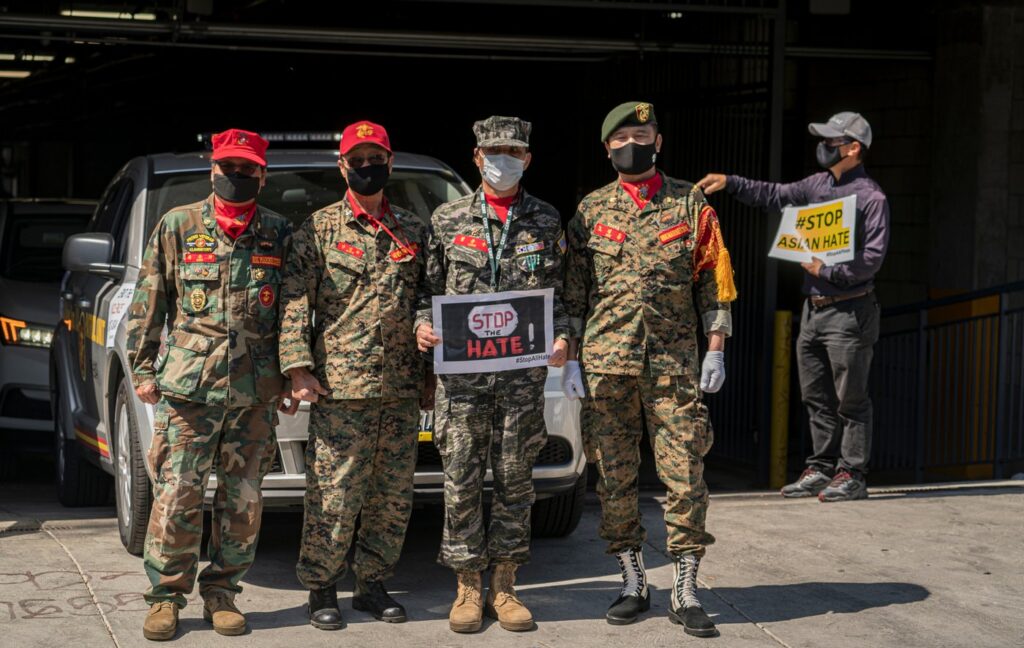
Fewer Asian American and Pacific Islander (AAPI) adults are reporting overt anti-Asian attacks compared to the peak period during the COVID-19 pandemic, according to a new AP-NORC/AAPI Data poll. However, a significant number still express concerns about racial discrimination. The poll, released on the onset of AAPI Heritage Month, reveals that approximately 25% of AAPI adults have personally experienced a hate crime or incident within the past year, such as verbal harassment or physical assault. This rate remains consistent with a survey from last summer, but represents a decrease from an October 2023 poll wherein 36% reported such experiences.
Preliminary FBI data substantiates this decline as the pandemic's impact diminished, showing that both anti-Asian hate crimes and overall bias crimes dropped between 2024 and 2025. Despite this decline, around 30% of AAPI adults surveyed believe it is "extremely" or "very" likely that they will fall victim to discrimination based on their race or ethnicity in the next five years. Karthick Ramakrishnan, founder and executive director of AAPI Data, noted that while there has been a decline in hate crimes, a stabilization at these levels still indicates that hate incidents remain an issue within the community.
The data also highlights that fewer AAPI adults report experiencing verbal assaults compared to previous years. Only about 10% indicate they have been called a racial or ethnic slur in the past 12 months, down from nearly 20% in October 2023. Around 15% reported being verbally harassed or abused due to their race or ethnicity in the last year, showing a decrease from 23% reported previously. Advocates suggest that while the rhetoric has shifted away from COVID-19-related themes, it has increasingly focused on anti-immigrant sentiments, with statements like "Go back to China" evolving into threats related to immigration enforcement.
Personal accounts underline the ongoing nature of discrimination. Ambar Capoor, a 52-year-old India-born individual residing in Los Angeles, shared an incident where he was pushed in line by a white man who told him, "You don't belong here. You should go back to your country." Although such encounters do not typically distress him, Capoor believes the current political climate has emboldened individuals to express racist remarks openly. Similarly, Nosheen Hamid, a 36-year-old stay-at-home mother living in Salt Lake City, experienced racial profiling when a door-to-door salesman questioned whether she lived in the neighborhood.
AAPI adults seem to prioritize economic concerns more than experiences of discrimination. With rising inflation and increased gas prices exacerbated by international conflicts, about 40% report that personal financial pressures are a "major source" of stress. Only about 10% cite discrimination as a major stressor, with half of the respondents not viewing it as a source of stress at all. Individuals like John Magner, 58, who identifies as half white and also of Hawaiian and Chinese descent, reflect similar sentiments, focusing more on managing financial responsibilities and personal challenges than on discriminatory experiences.
The rise in hate incidents remains a pressing concern, especially among certain groups under the AAPI umbrella. Experts suggest that while overall reports of hate incidents have decreased, specific groups, such as South Asians, have seen an increase, particularly during moments of heightened visibility for community members. Individuals like Capoor acknowledge the significance of presenting identification for protection amid rising anti-immigrant rhetoric and actions.
This poll, conducted from March 23-30 with a representative sample of 1,228 U.S. adults from AAPI backgrounds, emphasizes the ongoing need for attention to the perspectives and experiences of Asian Americans, Native Hawaiian, and Pacific Islander communities. With a margin of sampling error of plus or minus 4.5 percentage points, the findings are part of a continuous effort to explore the views and lived experiences of these often-overlooked populations.








