

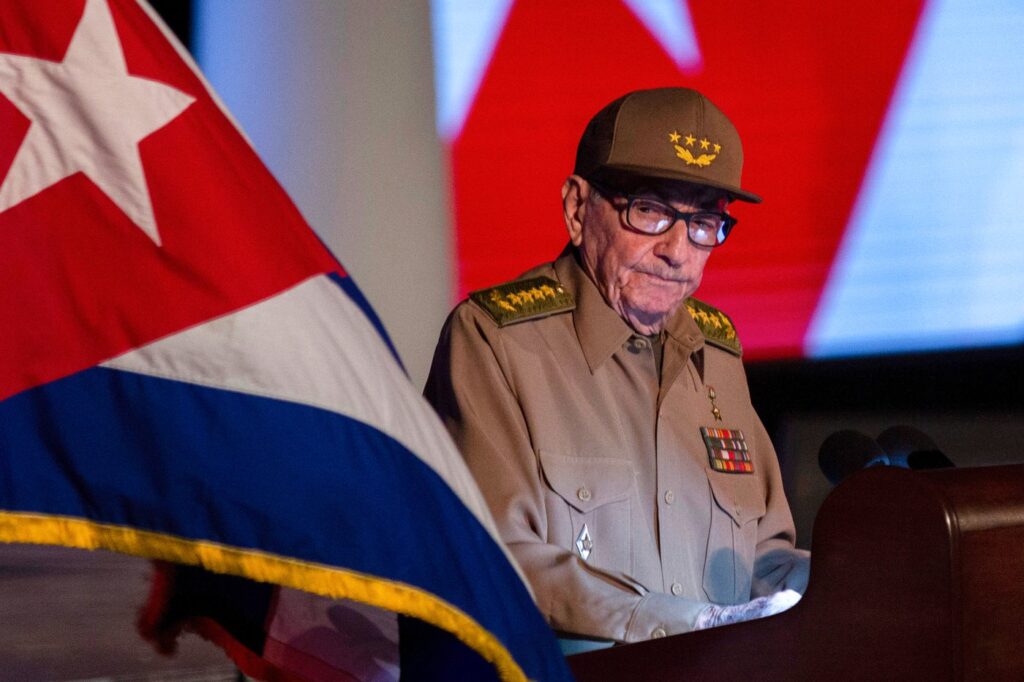
A group known as Brothers to the Rescue, founded by Cuban exiles, is currently at the forefront of a significant move by the U.S. Justice Department, which aims to seek an indictment against Cuban leader Raúl Castro. This potential indictment could resurface one of the most challenging periods in the contentious history of U.S.-Cuba relations.
According to sources familiar with the investigation, the anticipated charges against Castro are linked to his alleged involvement in the 1996 shootdown of four planes belonging to Brothers to the Rescue. At that time, Castro held the position of defense minister, making him the second most powerful individual in Cuba after his brother, Fidel Castro.
Brothers to the Rescue was established in 1980 in response to the unexpected emigration of approximately 125,000 Cubans to the United States. The organization's founder, José Basulto, aimed to assist Cuban refugees attempting to flee the oppressive regime in Cuba. They provided vital support by dropping supplies from small aircraft and notifying the U.S. Coast Guard to rescue those in peril in the Florida Straits.
The mass exodus of Cubans began following widespread protests against restrictive travel measures imposed by Fidel Castro's communist government. In response, Castro opened the port of Mariel to allow anyone who wished to leave to do so, resulting in the perilous migration of thousands across the Florida Straits.
As the situation deteriorated, the Clinton administration implemented changes to immigration policies that were intended to deter Cubans from making the dangerous journey north on makeshift boats. Despite this, Brothers to the Rescue continued its operations, flying increasingly closer to Cuban airspace and escalating tensions with Havana.
On February 24, 1996, a critical incident occurred when three planes from Brothers to the Rescue entered a designated area near the 24th parallel, not far from Havana, which included several high-value military targets. Cuban fighter jets responded decisively by shooting down two of the organization's light aircraft, resulting in the deaths of all four individuals on board.
In the aftermath of the incident, steps were taken to hold those responsible accountable. In a narrative later dramatized in the film “The Wasp Network,” U.S. counterintelligence apprehended five Cuban intelligence agents who had infiltrated Brothers to the Rescue. Two of these agents received lengthy prison sentences, while the other three were released in a prisoner exchange preceding former President Barack Obama's diplomatic thaw with Raúl Castro's regime.
Additionally, Cuban authorities indicted two pilots and their commanding officer, who were directly involved in the shooting down of the brothers' planes. However, these individuals remain in Cuba, evading U.S. law enforcement efforts.
This ongoing investigation into Raúl Castro's involvement in the 1996 shootdown and the broader implications of U.S.-Cuba relations underscore the enduring complexities of both historical grievances and diplomatic negotiations between the two nations.








