

OAKLAND, Calif. (AP) OpenAI, the ChatGPT creator valued at $852 billion, has secured a key legal victory in its court battle against Elon Musk, positioning itself for a potential record-setting initial public offering (IPO). After a contentious trial, a nine-person federal jury determined that Musk's lawsuit was not filed within the required timeframe, essentially dismissing the case on a technicality.
The dispute centered on Musk's allegations against OpenAI's leadership, particularly CEO Sam Altman, whom he accused of abandoning their shared vision for OpenAI as a nonprofit organization focused on the responsible development of artificial intelligence (AI). Altman retorted that Musk's actions were self-serving, aiming to undermine OpenAI to benefit his own AI venture, xAI, which has links to SpaceX.
The trial, which took place in Oakland, California, featured testimonies from significant witnesses and outlined the personal rivalries at the heart of the AI industry's future. Sarah Kreps, director of Cornell University's Tech Policy Institute, emphasized that the trial highlighted the power concentrated in the hands of a few billionaires, pointing out a disconnect between those creating AI technologies and the broader public who will live with these innovations.
During the proceedings, Musk accused Altman and OpenAI's top aide, Greg Brockman, of betraying the company’s ethos. Evidence presented included private messages and emails that portrayed the internal conflicts within OpenAI. Some messages shared between Altman and a former executive became memes and were even parodied in songs, demonstrating a lighthearted response to the serious undertone of the trial.
On the other hand, Altman faced assertions from several witnesses, including two former board members who questioned his honesty. This situation put his leadership under scrutiny and raised concerns about governance within OpenAI. Despite the challenging testimonies, OpenAI's defense framed Musk's claims as baseless, suggesting they stemmed from personal grievances due to the company's rapid evolution.
Ultimately, following a three-week trial filled with extensive evidence and high-profile testimonies, the jury deliberated for less than two hours before arriving at their verdict. Musk expressed his intention to appeal, critiquing Judge Yvonne Gonzalez Rogers for what he termed a "terrible activist" presiding over the case and alleging that the ruling set a damaging precedent for charitable organizations.
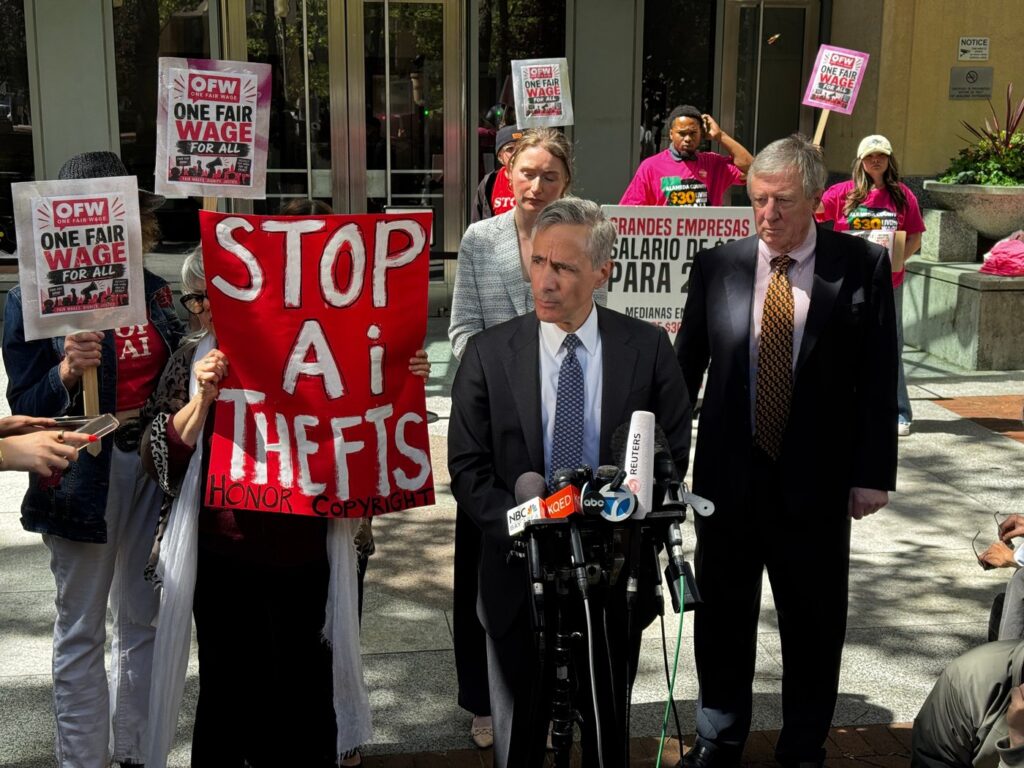
This legal defeat marks a significant setback for Musk, marking his second significant courtroom loss in under two months. Outside the courthouse, demonstrators voiced their concerns about the implications of AI development being dominated by billionaires like Musk and Altman, whose inability to collaborate was seen as detrimental to society's broader interest. Signs from protesters lamented the broader impacts of technological upheaval on everyday communities, emphasizing a feeling of disconnection between tech leaders and the public.
The trial shined a light on the intricate and often tumultuous internal dynamics of Silicon Valley, suggesting that while OpenAI continues to grow, the narratives surrounding its leadership disputes could affect its reputation and operational future. As both OpenAI and Musk's companies gear up for IPOs, with other competitors like Anthropic also entering the market, the potential fallout from this trial may influence not just corporate images but the overall trajectory of AI development.








