

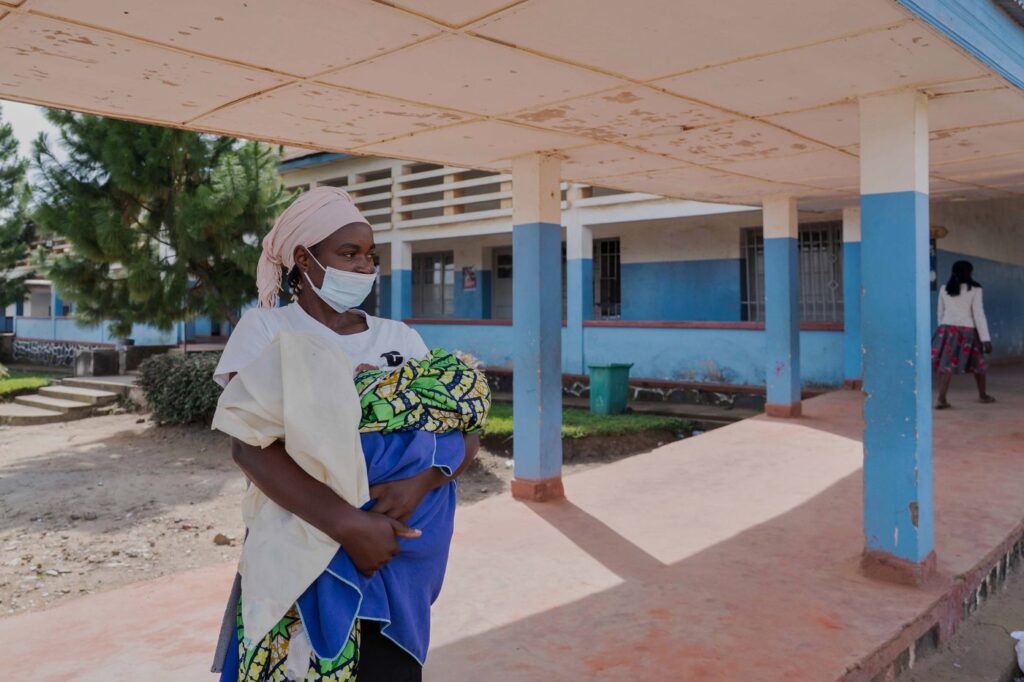
KINSHASA, Congo (AP) — The latest outbreak of Ebola in eastern Congo has resulted in at least 131 reported deaths and over 500 suspected cases, as cited by the Congolese health ministry on Tuesday. The World Health Organization's director-general, Tedros Adhanom Ghebreyesus, expressed grave concern regarding the "scale and speed of the epidemic."
Health experts indicated that the virus spread undetected for several weeks following the death of the first victim, complicating efforts to contain the outbreak. Congo's health minister, Samuel Roger Kamba, reported that as of now, there are 513 suspected cases and 131 deaths, although he noted that these figures include fatalities under investigation to ascertain their connection to the virus. This indicates a steep rise from Monday's report of 300 suspected cases, underlining the extensive and largely unknown scope of the outbreak.
The outbreak, first confirmed on May 5, is attributed to the Bundibugyo virus, a rare Ebola variant lacking approved treatments and vaccines. The WHO designated this outbreak as a public health emergency of international concern on May 14. Cases have been reported in several locations, including Bunia, the capital of Ituri province, Goma, Mongbwalu, Butembo, and Nyakunde. There is also a confirmed case of the virus in Uganda linked to a traveler from Congo.
Among the reported cases is an American doctor, Dr. Peter Stafford, who was treating patients in Bunia before exhibiting symptoms of the virus. His organization, Serge, confirmed that three other staff members working alongside him, including his wife, are symptom-free.
On April 24, Congo's health ministry announced that the first Ebola-related death occurred in Bunia, with the body being returned to the health zone of Mongbwalu. This transfer contributed to the escalation of the outbreak. Following a second illness reported on April 26, initial tests focused incorrectly on the more common Zaire strain of Ebola, which returned negative results. It was not until May 5 that the WHO received alerts about numerous deaths in Mongbwalu, prompting further testing that ultimately confirmed the outbreak on May 14.
Matthew M. Kavanagh from Georgetown University highlighted that the initial misidentification of the Ebola strain has forced response teams to play "catch-up" in their efforts against a severe pathogen. Criticism was directed at the previous U.S. administration for withdrawing from the WHO, which critics argue weakened early surveillance efforts vital for managing outbreaks.
The U.S. State Department responded to criticism by stating they acted swiftly, rendering $13 million in aid to address the crisis. Esther Sterk from Médecins Sans Frontières remarked that the rapidly evolving situation was alarming and noted the typical delay in detecting Ebola outbreaks due to symptom similarities with other tropical diseases.
Ebola is known for its high contagion rates, particularly through bodily fluids. The disease itself is rare but often fatal, with previous outbreaks resulting in high mortality rates. Often, those who care for the sick or handle the deceased during community funerals have been at high risk of infection. Dr. Craig Spencer, a Ebola survivor, remarked on the nature of the disease, emphasizing its impact on compassion-driven caregivers.
The symptoms of Ebola can include fever, headache, muscle pain, weakness, vomiting, diarrhea, and unexplained bleeding, leading to rising panic in affected areas such as Bunia. Residents, including Noëla Lumo from Bunia, are taking precautions, with some producing handmade protective masks in response to the outbreak.
The Ituri province, where this outbreak is taking place, faces ongoing humanitarian issues and insecurity amidst the threat of armed groups, further complicating the response to the current Ebola crisis. A UN official noted that personnel have been advised to avoid physical contact and confined spaces to prevent further spread of the virus. With a significant population of over 1.9 million, the region is already dealing with a displacement crisis, adding to the challenges faced by health authorities.








