

LOS ANGELES (AP) - An Iranian family residing in the United States for a decade is demanding their release from immigration detention following their arrest related to ties with Masoumeh Ebtekar, a significant figure in the 1979 U.S. Embassy hostage crisis. Eissa Hashemi's mother, Ebtekar, famously known as 'Sister Mary,' served as a spokesperson during the crisis, condemning American hostages. Recently, U.S. Secretary of State Marco Rubio revoked the family's green cards due to their association with Ebtekar, leading to deportation proceedings initiated by the Department of Homeland Security (DHS).
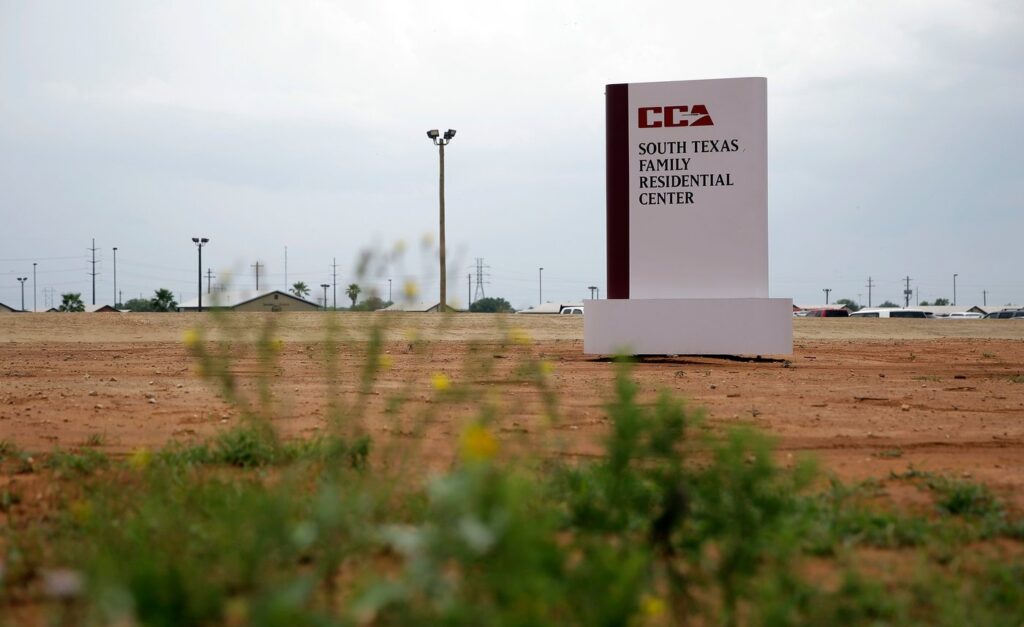
A federal judge has issued a temporary order halting the family’s deportation after they filed legal challenges against their detention. Since early April, Eissa Hashemi, his wife Maryam Tahmasebi, and their son have been held in immigration facilities in Texas. According to their attorney, Curtis Morrison, there are no specific accusations against them beyond their relationship to Ebtekar.
The Trump administration is utilizing a seldom-applied aspect of immigration law allowing the Secretary of State to seek the removal of immigrants for foreign policy reasons. Tommy Pigott, a spokesperson for the State Department, stated that individuals with close connections to high-ranking Iranian officials involved in anti-U.S. activities should not reside in the country, arguing that their presence could be exploited by the Iranian government.
The family’s situation has drawn attention from the Iranian diaspora, with some activists advocating for the expulsion of children of Iranian officials. These activists argue that such ties conflict with the experiences of individuals who escaped Iran and raise security concerns. Ebtekar, during the embassy takeover, highlighted perceived American 'crimes’ against Iran and demanded the U.S. return the deposed Shah, Mohammad Reza Pahlavi. Over the years, she transitioned to working within Iran’s political reform landscape, becoming the first female Cabinet member in the Islamic Republic.
Tahmasebi expressed disbelief over their arrest, stating that their family has no connections to wealth or power and has always adhered to U.S. laws. The family aimed for their son to enjoy a normal life, but their detention has disrupted this goal. Legal experts have raised concerns over the constitutionality of the law being utilized against the family, suggesting it has not been extensively tested in courts.
The political climate has shifted significantly following recent military actions involving the U.S. and Israel against Iran, leading to a tense ceasefire but ongoing diplomatic challenges. The family's friends and advocates describe the arrests as a 'witch hunt,' expressing disbelief that individuals could be held accountable for their parents' political affiliations.
The couple left Iran over ten years ago for advanced studies in the U.S. and subsequently obtained green cards through a lottery system. They lived in a gated community in Los Angeles, where they both contributed to academia in psychology. Tahmasebi was an educator, and both individuals maintain they have no violent history or political involvement, raising further questions about their detention.
Friends of the family have voiced their concerns as well, likening their situation to historical injustices such as Japanese internment during World War II. They argue that it is unjust to penalize individuals for their familial connections, particularly when those individuals have lived in the U.S. peacefully for many years. The DHS has stated that the family poses a national security threat, although it has not clarified the nature of this threat.
The family and their legal team await a government response to their petitions, with immigration law experts asserting that the administration is misusing provisions aimed at legitimate national security interests, potentially infringing on the constitutional rights of legal immigrants. A growing list of relatives of Iranian officials has come under similar scrutiny, reflecting a broader policy shift in U.S. immigration concerning those connected to the Iranian regime.








