

KAMPALA, Uganda (AP) – Bundibugyo, a mountainous district in western Uganda, has gained attention due to its association with a rare type of Ebola virus, known as the Bundibugyo virus. Despite its beautiful landscapes and agricultural community, this Ugandan district is becoming notorious because of a current Ebola outbreak that has primarily affected eastern Congo, resulting in 160 suspected deaths in two provinces.
The connection between Bundibugyo and the virus traces back to an outbreak that occurred in November 2007, during which a new species of Ebola was identified. This virus was neither the Sudan virus, first recognized in South Sudan, nor the Zaire virus, which was named after the Congo River where Ebola was initially discovered in 1976. The 2007 outbreak in Bundibugyo led to at least 37 fatalities but was contained by the end of that year. A subsequent outbreak surfaced in 2012 in northeastern Congo, similarly small and manageable.
While the current outbreak does not impact Bundibugyo, the lingering association with the picturesque district is a source of distress for many Ugandans. Government spokesman Alan Kasujja has expressed the need for clarifying that Uganda is not the epicenter of the latest outbreak, emphasizing that "Bundibugyo is too beautiful to be the name of a disease." The World Health Organization (WHO) usually names viruses after their regions of origin, a practice that has garnered criticism for potentially stigmatizing communities. The organization is, however, aware of the need to strategize against the negative impact of such associations.
So far, Uganda has officially reported only two Ebola cases, both linked to Congolese nationals who traveled to Uganda prior to the outbreak declaration on May 15. One of these individuals, a 59-year-old man, died shortly after hospitalization, while the second case—a woman—continues to receive treatment in Kampala. President Yoweri Museveni has emphasized that the outbreak is predominantly occurring in Congo and has encouraged measures to combat misconceptions about Ebola spreading in Uganda.
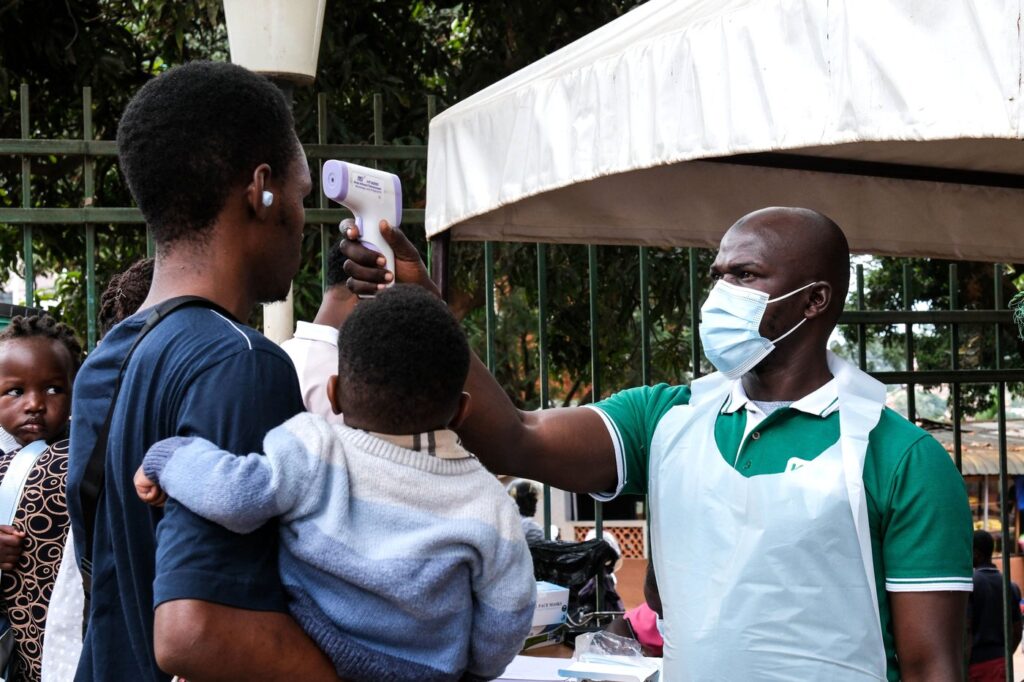
In response to the outbreak, Ugandan authorities have implemented several precautions, including suspending public transport and flights between Congo and Uganda. As part of public health measures, President Museveni has advised citizens to refrain from shaking hands and postponed an annual religious event that draws thousands of attendees from both countries.
Cross-border trade poses a significant risk for Ebola transmission, necessitating enhanced surveillance at all entry points, according to Dr. Emmanuel Batiibwe, who led a successful response to a previous outbreak in 2022. With a history of multiple Ebola outbreaks, including a particularly deadly episode in 2000 that claimed over 200 lives, Uganda is emphasizing the importance of contact tracing and isolation to prevent further spread of the Bundibugyo virus, which currently has no effective vaccines or treatments.
The WHO believes that fruit bats are the natural hosts of the Ebola virus, which is transmitted through contact with the bodily fluids of infected individuals or contaminated materials. As the situation evolves, Ugandan health authorities remain vigilant in managing potential risks associated with cross-border interactions and the ongoing outbreak in Congo.








