

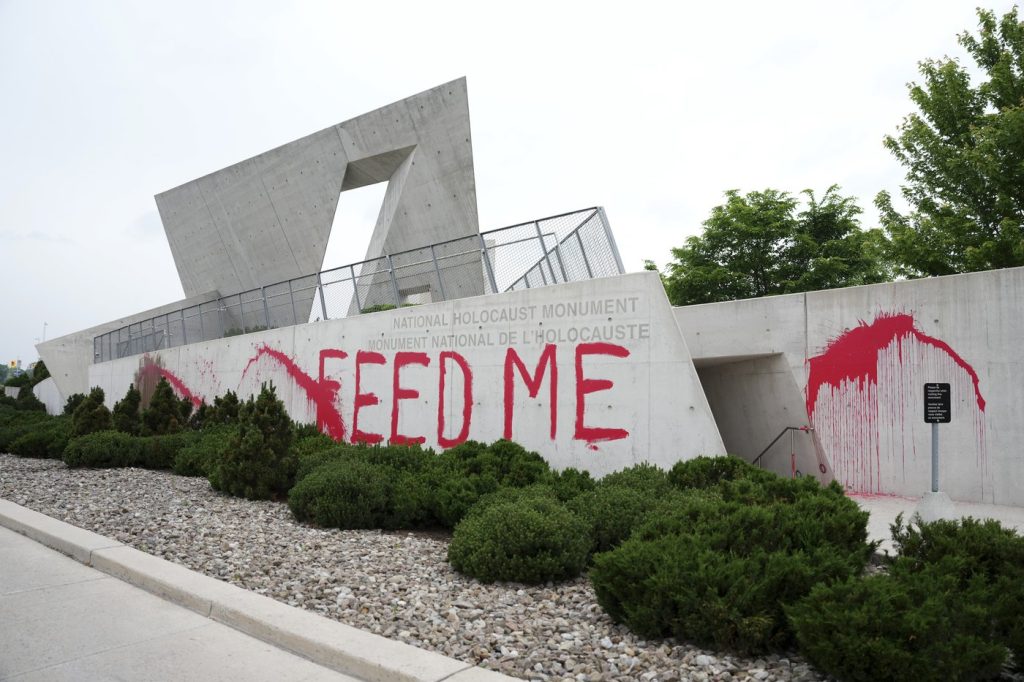
OTTAWA — Proposed by the federal government, Bill C-9 aims to address the increasing prevalence of hate crimes in Canada by establishing a stand-alone hate crime offence. Experts argue that this new provision will significantly enhance the investigation and prosecution of hate crimes. Stephen Camp, a former police officer and current member of the Organization for the Prevention of Violence, highlighted the current weaknesses in the system, stating that the definition and prosecution of hate crimes often lead to minimal legal action.
Currently, the Canadian Criminal Code includes hate propaganda provisions that tackle issues such as genocide advocacy and the promotion of hatred, especially antisemitism. However, other hate-motivated crimes, including homicide and assault, lack designated offences. Instead, these crimes are treated as standard assaults, with hate factors recognized only during sentencing, often losing the significance of their motivating factors in the process.
Camp noted that the absence of specialization within police services and the legal system contributes to this issue, resulting in hate-motivated incidents being recorded simply as assaults without acknowledging the underlying biases. The introduction of Bill C-9 seeks to change this by creating a specific offence for hate crimes motivated by such animosity. This change is expected to improve the understanding, recording, and documentation of hate crimes, thereby leading to more effective prosecutions.
The bill was introduced in response to alarming statistics showing a 169 percent increase in reported hate crimes between 2018 and 2024, rising from 1,817 incidents to 4,882. This surge included a nearly tripling of hate crimes related to antisemitism, which jumped from 331 in 2018 to 920 in 2024. Similar trends were evident for Islamophobia, demonstrating the pressing need for legislative action to combat these rising tides of hate.
Statistics Canada reported that, out of the hate crimes recorded in 2024, about 55 percent were non-violent, with incidents of mischief and public incitement contributing significantly to this figure. Violent hate crimes included 585 threats and hundreds of assaults, with a clear rate of just under half for violent incidents. However, the rate for non-violent hate crimes was notably low at 13.8 percent, primarily due to the inherent challenges in solving mischief-related offences.
Bill C-9 passed the House of Commons and is currently under review by the Senate human rights committee. Justice Minister Sean Fraser emphasized its importance, recounting a specific hate-motivated assault case where an elderly Jewish woman was stabbed in Ottawa, pointing out the broader impact such crimes have on communities. He stressed that victimizing individuals based on their identity needs to be recognized as a distinct and more serious form of assault.
Barbara Perry, a professor and director at the Centre on Hate, Bias, and Extremism, supports the legislation, indicating it will clarify police understanding of hate crimes. She noted that many incidents go unrecorded due to a lack of awareness regarding what constitutes a hate crime and expressed optimism that concrete charges under the new bill will encourage officers to investigate fully, without the disincentives of previous models.
However, some experts caution that legislation alone will not solve the problem. Richard Marceau from the Centre for Israel and Jewish Affairs highlighted the importance of utilizing the tools provided by Bill C-9 effectively and recognizing the broader implications of non-violent hate crimes on communities. Despite support for the bill, concerns have also been raised by groups like the National Council of Canadian Muslims regarding potential misinterpretations of the legislation concerning symbols and the differentiation between innocent and hate-promoting expressions.
The ongoing discussions around Bill C-9 reflect a significant promise to combat hate crimes in Canada, though its success will ultimately depend on proper implementation and understanding by law enforcement and the judicial system.








