

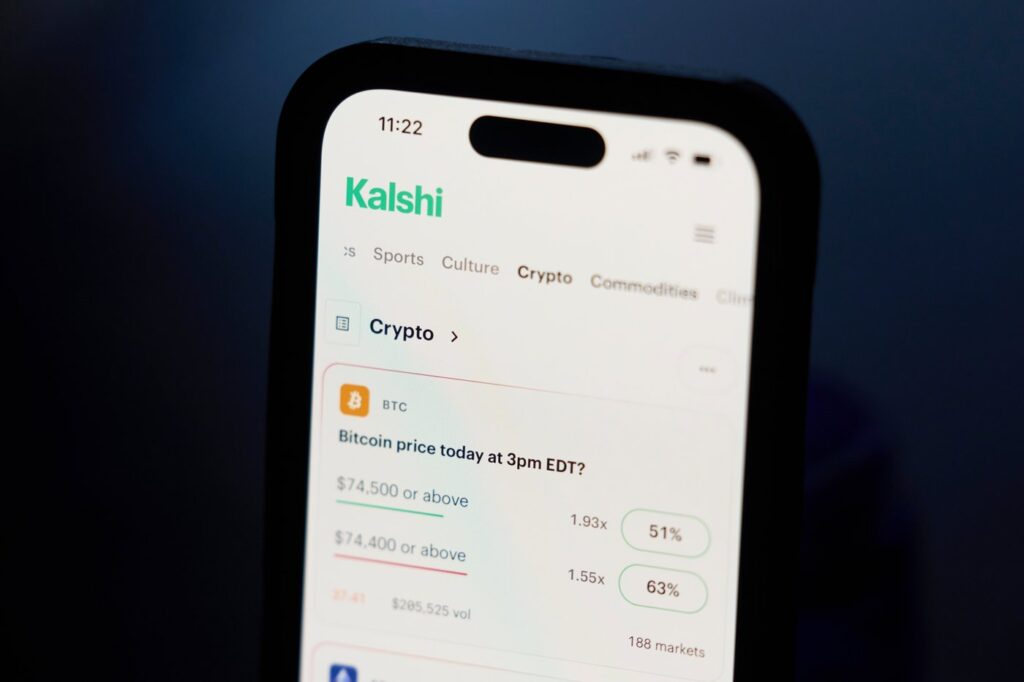
As prediction market platforms like Kalshi and Polymarket gain traction, they are increasingly targeting younger audiences through humorous and meme-driven marketing campaigns. For instance, Kalshi celebrated Rory McIlroy's back-to-back Masters wins with an Instagram post stating, "Wait he's goated." Meanwhile, Polymarket responded to a video of NBA player Damian Lillard recovering from injury with the quip, "The league is cooked." These posts appeal to a demographic that may not yet fully understand the implications of engaging with such platforms.
Prediction markets allow users to wager on real-world outcomes, from sports results to more absurd scenarios like the confirmation of extraterrestrial life. Despite their seemingly low-stakes nature, these platforms create an atmosphere that resembles gaming more than financially risky behavior. Yet, research indicates that the majority of users—69%—end up losing money, with profits concentrated among a small fraction of traders. This environment is particularly concerning as Kalshi, Polymarket, and other platforms are accessible to users aged 18 and up, lower than the typical 21-year minimum for gambling in many U.S. states. Experts warn that this age gap is crucial, as younger individuals are more susceptible to developing gambling addictions.
Dr. Timothy Fong, an addiction psychiatrist from UCLA, points out the dangerous combination of easy access and the "velocity of gambling," which can lead to negative consequences for younger individuals. In response to the rising influence of these markets, Sen. Katie Britt, R-Ala., recently introduced legislation aimed at prohibiting social media companies and advertisers from displaying sports betting ads to minors, stating that such platforms are "flooding the internet" to hook young people early.
Both Kalshi and Polymarket employ meme-driven content to effectively engage younger demographics, a tactic that marketing specialist Jason Levin from Memelord Technologies says is essential to connect with this audience. Ads featuring influencers and humor, such as those depicting individuals plummeting from hot air balloons or chimps in suits, are common strategies. Kalshi claims that memes are integral to corporate branding, but notes that the average user age is 33. Nevertheless, the trend of targeting the youth demographic persists, with platforms often designed to attract long-term users.
Market surveys reveal that around 30% of American adults under 30 engaged in sports betting in the past year. The appeal of these platforms is heightened by their ability to distinguish between betting and making predictions about events, asserting they operate under the oversight of the federal Commodity Futures Trading Commission. However, the accessibility of prediction markets often operates similarly to gambling, especially given that some popular online sports wagering options allow users as young as 18, highlighting the potential for harmful financial behaviors among young people.
Gamification elements, such as leaderboards and social features, further entrench users in these platforms. Fliff, a free-to-play sportsbook, exemplifies this trend by introducing engaging avatars and incentives to keep users active. Fliff emphasizes that they provide a fun and socially rewarding experience, and they are not alone in adopting such strategies. Kalshi and Polymarket also incorporate interactive elements to facilitate user engagement, although Kalshi has opted not to include overly gamified features in order to maintain a level of seriousness regarding financial transactions.
Despite measures in place intended to limit access to minors, such as selfie verification processes, experts warn that young people are still exposed to environments that could lead to harmful habits. According to Dr. Fong, the highly stimulating nature of these platforms can significantly affect developing brains, increasing the likelihood of addictive behaviors. The pursuit of immediate gratification can lead to long-term consequences for young users, effectively robbing them of their financial stability and future opportunities.








