

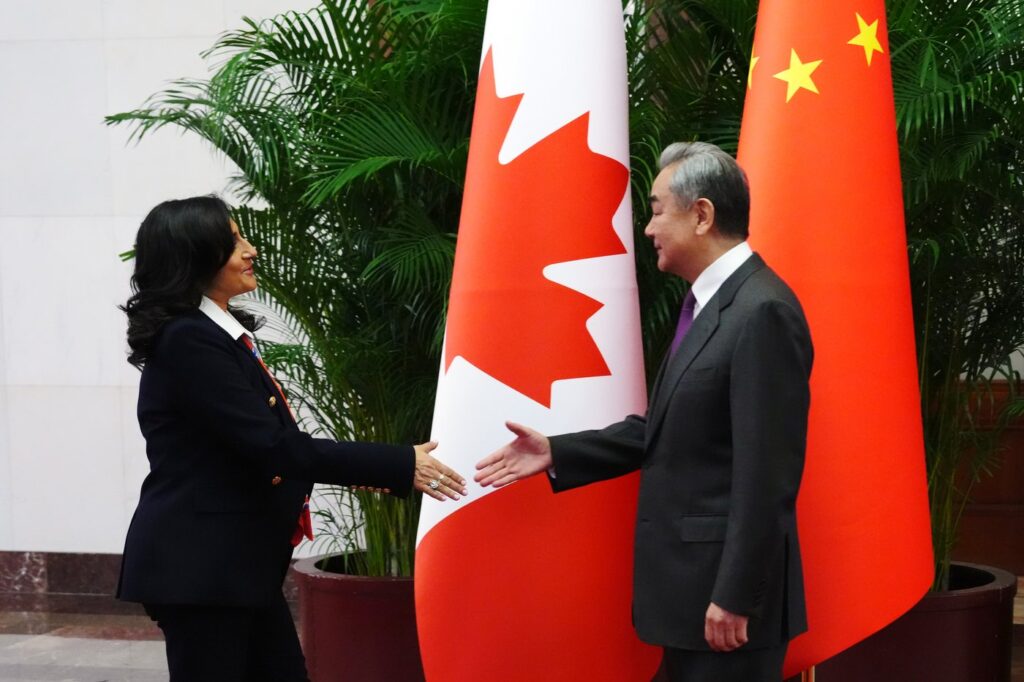
OTTAWA — China's Foreign Minister, Wang Yi, is set to visit Canada this week, marking a significant moment in the evolving relationship between the two nations. International Trade Minister Maninder Sidhu has described the visit as a positive development, indicating progress in diplomatic ties.
Wang Yi's arrival is scheduled for Thursday, marking the first visit by a Chinese foreign minister to Canada in a decade. The three-day visit is expected to facilitate discussions between Wang Yi and Canada's Foreign Affairs Minister, Anita Anand. Their agenda includes conversations around the recently updated Canada-China Strategic Partnership, which encompasses important topics such as trade, investment, and global security. A statement from Anand's office released last week outlined these key points for discussion.
Maninder Sidhu has expressed optimism about the direction of the China-Canada relationship, suggesting that this high-level visit signals an improving rapport between the two countries. Canadian Prime Minister Mark Carney has also affirmed the importance of this meeting, stating his eagerness to engage with Wang Yi during his visit. Carney's enthusiasm is reflected in his recent diplomatic efforts, which include a trip to China where the two nations reached a preliminary trade agreement.
This preliminary trade deal involves crucial concessions from both sides. Following Carney's visit, China has agreed to lower or eliminate tariffs on certain Canadian agricultural products. In return, Canada has committed to reducing tariffs on specific Chinese electric vehicles, showcasing a mutual effort to enhance trade relations.
The significance of Wang Yi's visit extends beyond economic considerations; it highlights the broader scope of Canada-China relations, which have fluctuated over the years due to various geopolitical tensions. The discussions anticipated during this visit could play a pivotal role in shaping future collaborations between the two nations, particularly in areas of shared concern such as security and environmental sustainability.
As the meetings unfold, they will be closely watched by analysts and policymakers who are keen to understand the implications for both Canadian and Chinese interests on the global stage. The potential for increased cooperation could lead to a more stable and strategic partnership, especially in light of recent global economic challenges and shifts in international relations.
In conclusion, Wang Yi's visit to Canada is not only a landmark event due to its rarity in the past decade but also serves as an important opportunity for both countries to realign their diplomatic strategies and trade policies, reflecting a new era in their bilateral relationships.








