

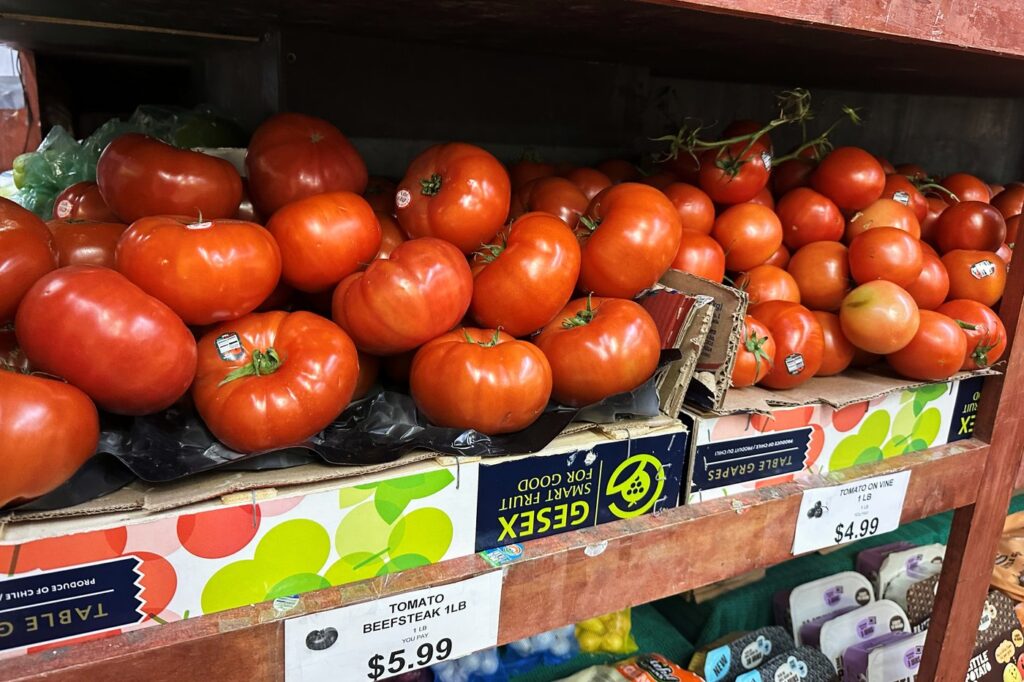
NEW YORK (AP) - Tomatoes, a staple ingredient in various cuisines from fast-food burgers to gourmet dishes, have recently taken on a new role as a significant indicator of rising consumer costs. The price of tomatoes has surged more than any other food product over the past year, making them a glaring example of the broader economic strain Americans are facing.
According to the latest Consumer Price Index, tomato prices have increased by approximately 40% compared to last year, overshadowing price hikes for other groceries. For context, coffee has risen by 18.5%, beef roasts by 17.8%, and frozen fish and seafood by 12%. This significant increase in tomato prices has become a representation of the financial challenges many households are enduring.
Isaac Bernal Carbajo, a chef in New York City, lamented that the rising cost of something as fundamental as fresh vegetables is forcing families to reconsider what should be straightforward purchases. "The tomato has become a symbol of something much deeper," he remarked, reflecting on the loss of life's simplest pleasures in the face of economic pressures.
Experts attribute the soaring tomato prices to a combination of factors, particularly the fallout from President Donald Trump's trade policies, including the ongoing conflict in the Middle East and tariffs. These policies have led to increased gas prices and shipping costs, making it more expensive to import tomatoes, primarily from Mexico, which supplies the majority of tomatoes consumed in the U.S. In July 2022, the U.S. withdrew from a deal that allowed duty-free imports of tomatoes from Mexico, contributing to the current price surge.
Usha Haley, an economist at Wichita State University, noted that the confluence of trade policies, adverse weather conditions, and geopolitical events has resulted in a "perfect storm" for tomato pricing. While American tomato farmers welcomed the U.S. withdrawal from the trade deal, viewing it as a means to support their struggling industry, consumers have been left to deal with the ramifications of higher prices.
Once the tomatoes finally reached grocery stores, they faced a 17% tariff, compounding the costs. Brett Massimino, a business professor at Virginia Commonwealth University, emphasized the significant impact of tariffs on tomato prices, noting that any alterations in trade policy can drastically affect costs due to the U.S.'s heavy reliance on Mexican imports.
In monetary terms, U.S. tariffs on tomatoes skyrocketed from only $16,424 in 2024 to nearly $4.6 million, marking an astonishing increase of 27,879%. Consumers have reacted with anger, sharing videos online expressing their discontent about price hikes, some even considering home gardening to offset costs that have reportedly quadrupled, with prices reaching up to $8 per pound.
The price increases are particularly burdensome for restaurants that incorporate tomatoes heavily into their dishes. MarginEdge, which tracks food prices in the restaurant industry, reports that grape tomatoes have experienced a dramatic increase of 65% in just a month, with all tomato varieties facing price hikes. Phillip Coles, a supply chain management professor at Lehigh University, anticipates that prices may decrease later in the year as domestic harvesting begins, but the lead time for farmers to respond by increasing production remains a critical factor.
For businesses such as Snarf's Sandwiches, which uses tomatoes in nearly all their offerings, the financial implications have been severe. Wayne Humphrey, the chief operating officer of Snarf's, shared that the cost of tomato cases has soared from $27 to $93 over the past year, adding to the financial strain from rising prices for other ingredients like bread and beef, as well as increasing labor costs. He calculated that the surge in tomato prices is costing his company an additional $1.7 million annually, a clear indicator of the worsening affordability crisis affecting the food industry.








